

 Phoenix 24

One performance, one story and one voice were enough to shift the cultural axis of a genre.
Kingston, November 2025
When Jimmy Cliff stepped into the role of Ivanhoe Martin in the landmark Jamaican film of 1972, he did more than act. He introduced the world to an entire sonic identity that had rarely escaped its island home. The soundtrack, shaped by Cliff’s unmistakable tone and the raw social pulse of Jamaica, became the point of ignition that carried reggae from local expression to global vocabulary. What began as a story of struggle and ambition in a small Caribbean nation turned into a cultural shockwave that redefined how the world listened to voices from the Global South.
Researchers in Western Europe agree that the soundtrack marked the first time reggae entered mainstream consciousness. Before that moment, the genre was largely confined to Jamaican studios and grassroots sound system culture. Cliff’s songs served as narrative bridges that helped foreign audiences grasp the emotional and political texture of the island. Music historians from North America point out that the release opened doors for an entire generation of artists, including the rise of Bob Marley, whose later global ascent was shaped by the new curiosity that the film helped ignite. Analysts in East Africa studying the diffusion of post colonial music note that Cliff’s work proved that local rhythms, when paired with compelling visual storytelling, could bypass traditional barriers in the global industry.
The film captured a Jamaica rarely seen in international media at the time. Its portrayal of inequality, defiance and spiritual identity gave context to the music itself. Cliff’s voice carried the tension between aspiration and resistance that defined a society still adapting to its post independence reality. Songs like “Many Rivers to Cross” and “You Can Get It If You Really Want” resonated far beyond their original setting, offering a universal language of perseverance that audiences across continents recognized instantly.
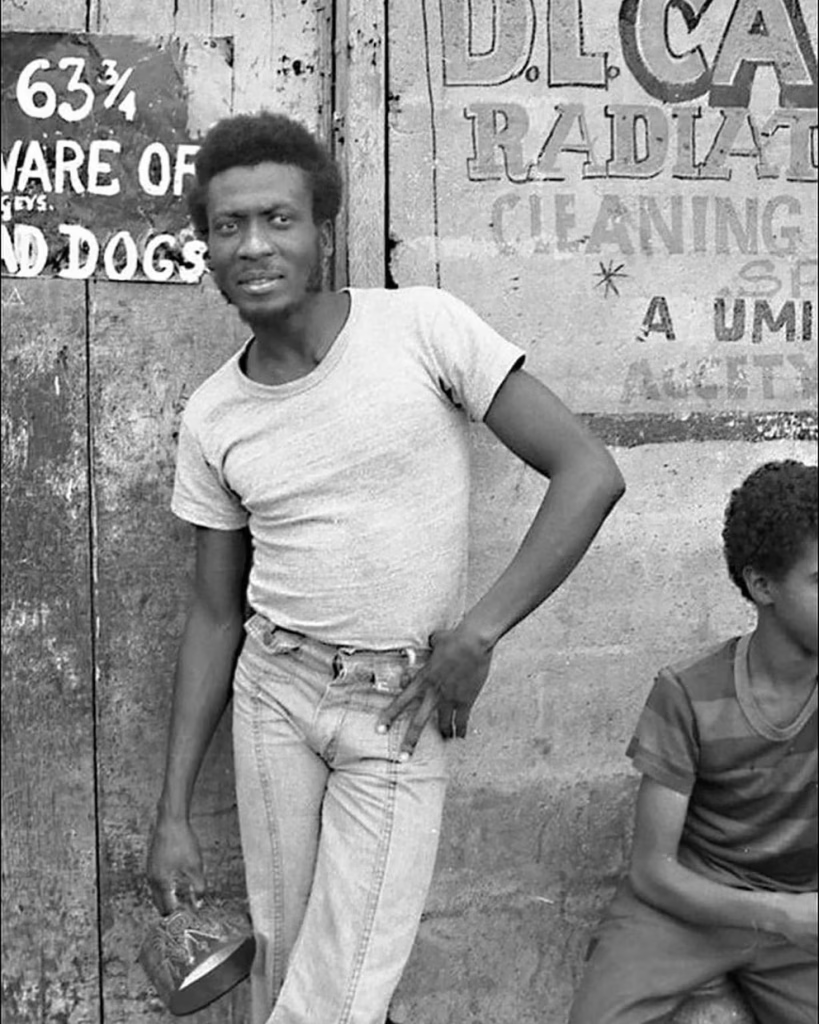
Cultural analysts in Latin America highlight the role of the film and its soundtrack as early examples of what today would be called cross media impact: the fusion of narrative and music to shape global perception. Decades before streaming, Cliff demonstrated that the combination of image and sound could amplify cultural transmission. By portraying the everyday struggles of a Jamaican protagonist, the film made reggae not only audible but visible.
Cliff’s influence extended deeper than fame. His artistic versatility allowed him to navigate between local authenticity and international appeal without diluting the culture he represented. In doing so, he bridged the gap between grassroots expression and global markets, setting a precedent for Caribbean and African musicians seeking similar recognition. Scholars in Europe examining cultural diplomacy argue that Cliff’s success inadvertently became a form of soft power for Jamaica, broadcasting its rhythms, values and identity across borders.
The legacy of that moment continues to shape music today. Modern reggae, dancehall, Afrobeat and various hybrid genres owe part of their global reach to the pathways carved by Cliff’s soundtrack. The film’s integration of narrative struggle and musical affirmation created a template that artists still imitate: tell a local story, attach it to universal emotion and trust that authenticity will travel.
In Africa and Asia, where rising musical industries now target global platforms, Cliff’s work is studied as an early model of exportable identity. It demonstrated that the world was willing to listen, as long as the story was compelling, the rhythms honest and the voice unmistakable. The collaboration of film and sound elevated reggae from a regional movement to a global force, proving that cultural revolutions often begin with one artist who understands the weight of the moment.
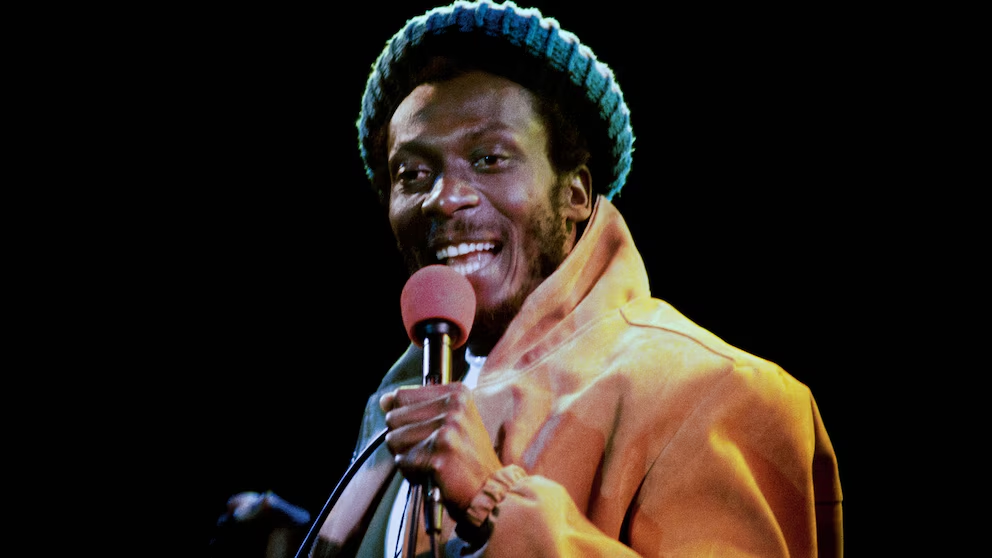
Jimmy Cliff did not simply popularize reggae. He expanded its borders, turning a local heartbeat into a global language and setting the foundation for decades of musical innovation across continents.
Truth is structure, not noise. / La verdad es estructura, no ruido.