

 Phoenix 24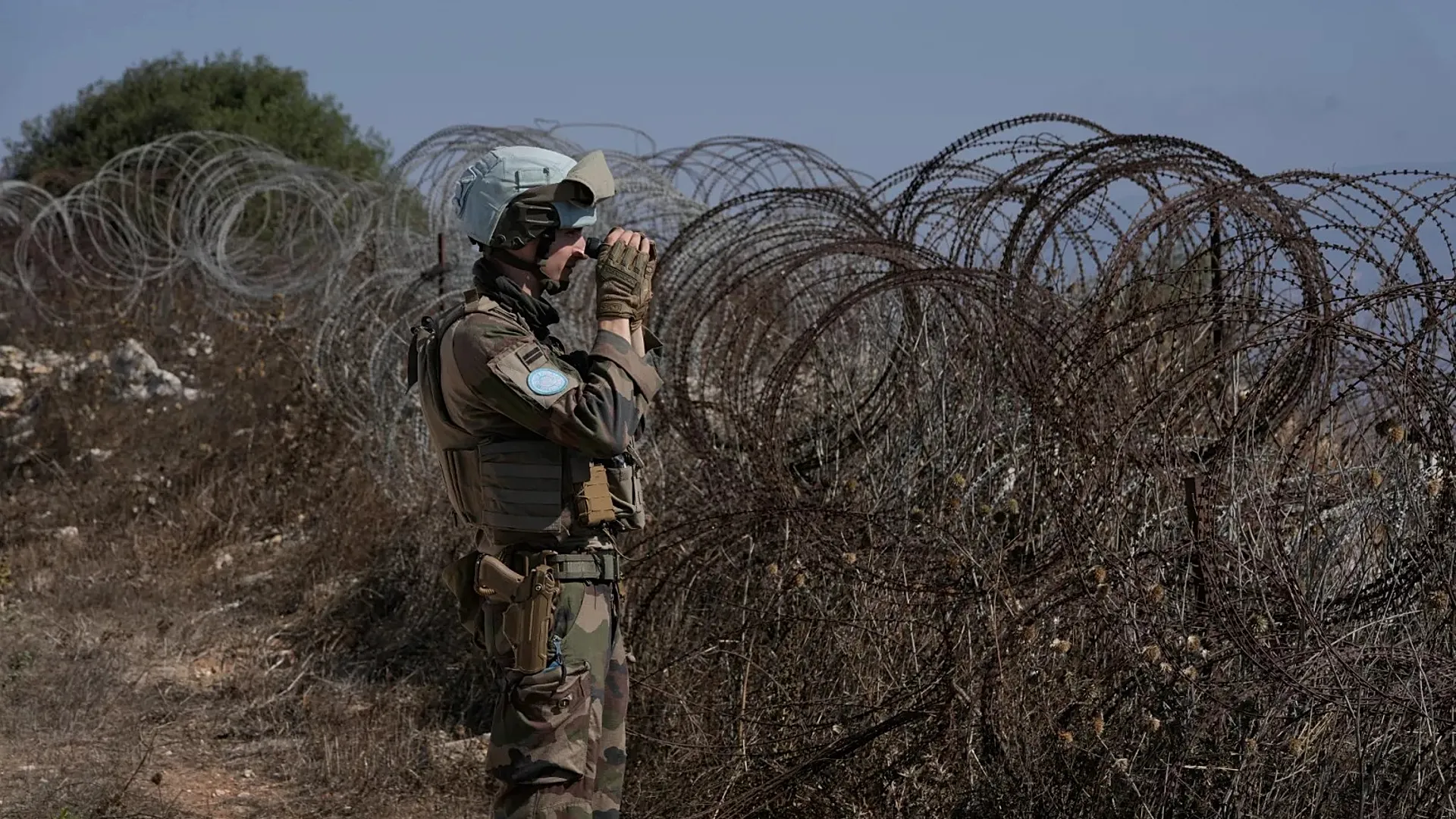
A stark reminder that even attacks without casualties can destabilize a fragile peace.
Beirut, September 2025.
The United Nations Interim Force in Lebanon (UNIFIL) confirmed that an Israeli drone struck its base in southern Lebanon, though no injuries were reported. The device, equipped only with a camera, crashed into the peacekeepers’ compound in Naqoura in the afternoon, prompting a swift security response. Bomb disposal teams inspected and secured the site within hours, but the incident reignited concerns along one of the region’s most volatile borders.
UNIFIL officials stated that the drone violated airspace restrictions established under United Nations Security Council Resolution 1701, which aims to prevent escalation along the Blue Line separating Israel and Lebanon. The base, home to peacekeepers from several contributing nations, has operated in this sensitive area since 1978 with a mandate to reduce tensions, prevent hostilities, and protect civilians in southern Lebanon.
Although Israeli military officials initially declined to comment, UNIFIL later reported that the Israel Defense Forces acknowledged ownership of the drone. According to the mission’s statement, the device “fell on its own,” suggesting the incident was accidental rather than deliberate. However, many analysts questioned this characterization, warning that such events, intentional or not, can undermine trust in existing security arrangements and raise the risk of escalation.
This is not an isolated case. In recent weeks, UNIFIL has documented several drone incursions into Lebanese airspace, some involving devices that dropped explosives near peacekeeping positions. Although none of these incidents caused casualties, they have heightened fears about the erosion of deterrence and the growing role of unmanned systems in cross-border confrontations.
Regional security experts caution that even non-lethal incidents carry significant strategic weight. They test the patience and restraint of peacekeeping forces, increase the potential for retaliatory action, and erode the credibility of neutral buffer zones. A single miscalculation, they warn, could spark a broader confrontation between Israel and Hezbollah, whose rivalry continues to manifest through proxy operations and asymmetric tactics along the frontier.
Lebanon’s internal fragility compounds the danger. The country is struggling with economic collapse, political paralysis, and social unrest, leaving it vulnerable to external shocks. Meanwhile, Israel’s defense doctrine is increasingly centered on precision strikes and unmanned technologies, approaches that sometimes blur the line between targeted operations and unintended escalation.
The drone strike on a UN base, even without casualties, exposes deeper structural weaknesses in the current conflict management framework. Institutions designed to prevent violence risk being drawn into the very conflicts they are meant to contain. For UNIFIL, the incident raises urgent questions about operational safety, mandate relevance, and whether existing rules of engagement are adequate in an era when drones and autonomous systems are reshaping the nature of modern warfare.
Phoenix24: facts that do not bend. / Phoenix24: hechos que no se doblan.