

 Phoenix 24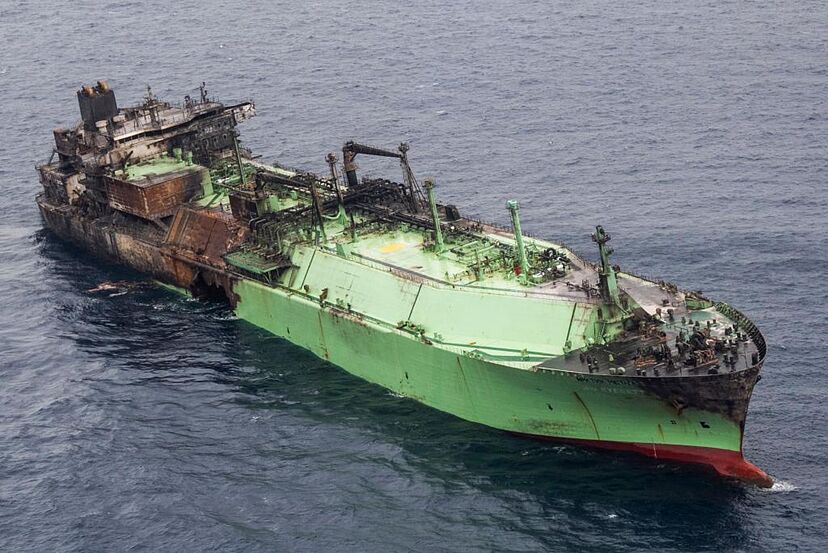
Sanctions are now colliding with environmental risk.
Brussels, March 2026
A Russian tanker linked to the so-called shadow fleet has become a new source of concern in the Mediterranean after drifting for days in unstable condition and raising fears of a wider environmental incident. The vessel, reported to be carrying liquefied natural gas and fuel, had already suffered serious damage earlier this month and later moved toward Libyan waters, turning a sanctions issue into a maritime and ecological problem for several European states.
The case has drawn particular attention because the ship forms part of the broader network of vessels associated with Russian efforts to move energy cargo outside normal Western restrictions. These fleets have become a recurring concern for European authorities not only because of sanctions enforcement, but also because many of the vessels are old, opaque in ownership and flagging, and seen as carrying higher operational risk than mainstream commercial shipping.
What makes the current episode especially serious is the combination of structural damage, hazardous cargo and the ship’s uncontrolled drift through one of the world’s most sensitive maritime regions. European governments have already warned that the tanker represents an imminent and serious ecological threat, with fears centered on possible leakage, gas dispersion or a broader maritime accident if conditions worsen.
The incident also exposes a deeper contradiction in Europe’s sanctions environment. Shadow-fleet vessels are treated as instruments of sanctions evasion and strategic pressure, yet when one of them becomes a drifting hazard at sea, coastal states may still be forced to respond in order to prevent a larger environmental disaster. In other words, a vessel that exists partly to bypass regulation can still end up depending on the very states trying to contain it.
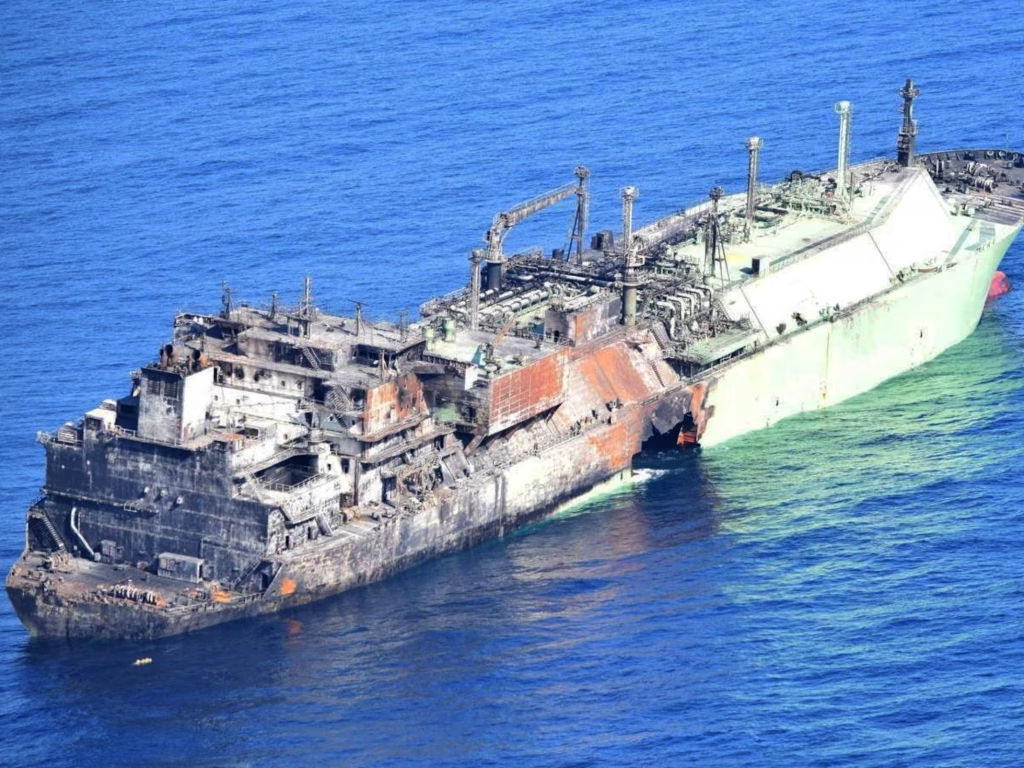
The Mediterranean dimension is politically sensitive because the region is already under pressure from overlapping maritime risks, including migration routes, energy transit and naval tensions linked to wider wars. A damaged tanker drifting between European and North African waters adds another layer of vulnerability, especially when responsibility becomes blurred across jurisdictions and the cargo itself raises the stakes.
For now, the episode shows that the shadow-fleet problem is no longer only about illicit trade routes or sanctions circumvention. It is also about the physical danger posed by fragile, poorly regulated ships moving through crowded and environmentally exposed waters. In the Mediterranean, that danger is no longer abstract. It is already drifting.
Phoenix24: clarity in the grey zone. / Phoenix24: clarity in the grey zone.