

 Phoenix 24
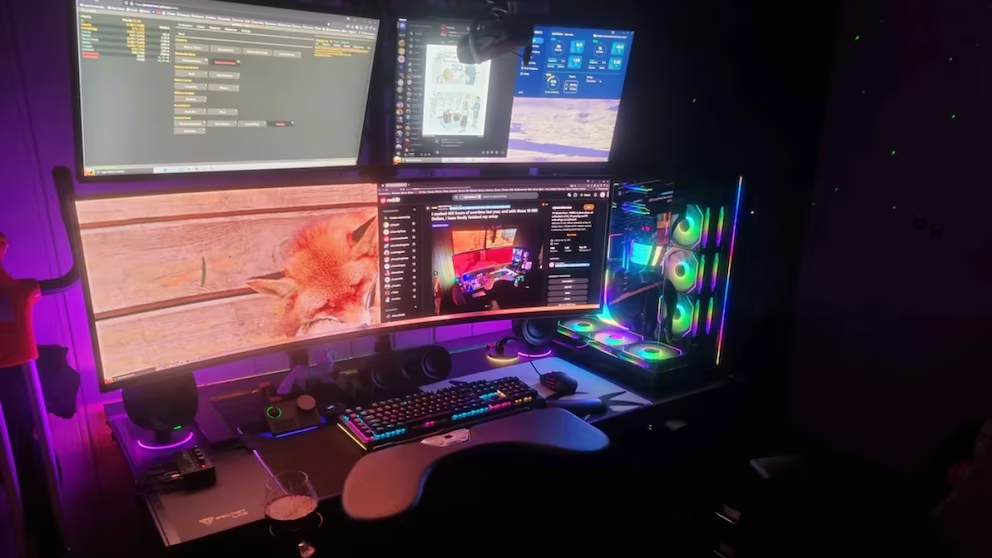
Passion becomes expensive when hardware becomes identity.
San Francisco, March 2026
The story of a gamer working 600 hours of overtime across 18 months to build a dream PC is more than a feel good anecdote about perseverance. It is a sharp illustration of how gaming culture, consumer technology and personal finance now intersect in ways that turn hardware ownership into a long term project of discipline, sacrifice and identity construction. Recent reporting describes a user known as VulpesMiko who documented years of saving and incremental upgrades, ultimately investing close to ten thousand dollars into a high end setup built around premium components and accessories.
What gives the story weight is not just the final price tag, but the labor logic behind it. The reported 600 overtime hours are the headline number, yet the deeper point is that the purchase was not framed as impulsive consumption. It was structured as a multi year financing strategy executed through extra work, staged upgrades and delayed gratification. In practical terms, this turns the PC from a product into a personal infrastructure project. That framing matters because it reflects a broader pattern in enthusiast tech communities, where ownership is increasingly narrated through effort and optimization rather than simple buying power.
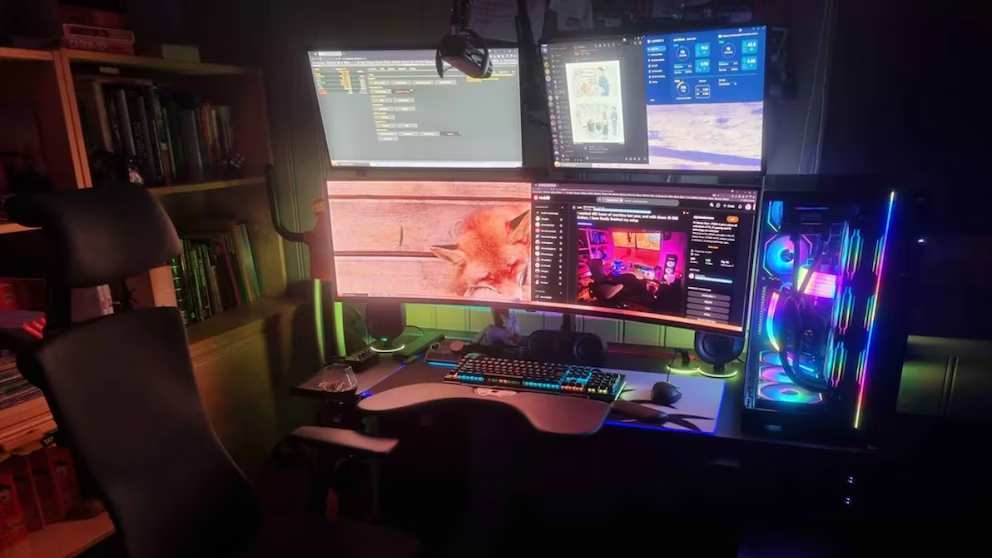
The timeline also reveals how aspiration evolves once a user enters the high performance ecosystem. According to the coverage, the project began in 2021 with a much smaller budget and gradually scaled upward as new resources became available, with repeated component upgrades pushing the system toward a far more ambitious final configuration. This is a familiar dynamic in gaming hardware culture. Enthusiasts rarely pursue a single purchase event. They pursue a moving target, where each upgrade redefines what counts as complete and where the idea of the dream machine shifts alongside the market.
That is why stories like this resonate beyond the niche. They capture a larger consumer psychology built around visible commitment. In many online communities, especially those organized around PC gaming and setup culture, the final machine is not just a tool for playing games. It is evidence of persistence, technical taste and self directed effort. The setup becomes a biographical object. Monitors, graphics card, processor and peripherals signal not only performance, but a narrative of work translated into hardware. In this case, that narrative is intensified by the overtime metric, which converts aspiration into measurable labor.
The hardware choices reported in the coverage reinforce this interpretation. The mention of a premium graphics card and a top tier gaming CPU places the project firmly in the prestige segment of the consumer market, where diminishing returns are accepted in exchange for performance headroom, status and future proofing. This is not irrational in the simplistic sense often suggested by outsiders. For many users, the value lies in the combination of performance, personalization and long horizon satisfaction. The machine is both entertainment platform and achievement marker.
At the same time, the story also exposes the social pressure embedded in contemporary tech aspiration. When online platforms normalize ultra high end builds, what was once considered exceptional can start to look standard within a niche feed. That does not mean users are passively manipulated, but it does mean expectations are shaped by algorithmic visibility and community comparison. A dream PC is partly technical, partly emotional and partly social. The benchmark is not only what the user needs to play, but what the surrounding ecosystem has taught them to desire.
There is a labor and wellbeing angle here that deserves a more sober reading. Six hundred overtime hours is a remarkable display of determination, but it also points to the cost side of aspirational technology. Time spent earning the hardware is time not spent resting, studying, socializing or doing other forms of life maintenance. The story can be inspiring and cautionary at once. It shows agency and discipline, yet it also reflects a consumer environment in which high end participation often requires extraordinary effort from ordinary earners. The machine may represent fulfillment, but the path to it is a reminder of economic strain beneath enthusiast culture.
From a Phoenix24 perspective, the most interesting element is the conversion mechanism: labor into hardware, hardware into identity, identity into digital visibility. That sequence is increasingly common across modern consumer tech, from gaming PCs to creator setups and mobile production gear. Products are no longer purchased only for utility. They are assembled as statements of commitment inside communities that reward process, detail and display. In that sense, this is not just a story about one gamer and one computer. It is a small but clear map of how contemporary tech desire is financed, performed and legitimized.
The practical lesson is not that everyone should chase an expensive setup, nor that ambition in hardware is inherently excessive. It is that the economics of passion are real, and the culture around devices often hides the labor required to sustain them. This story makes that labor visible. That is precisely why it resonates. Beneath the RGB lights and premium components, the real headline is not the machine. It is the time.
Phoenix24: claridad en la zona gris. / Phoenix24: clarity in the grey zone.