

 Phoenix 24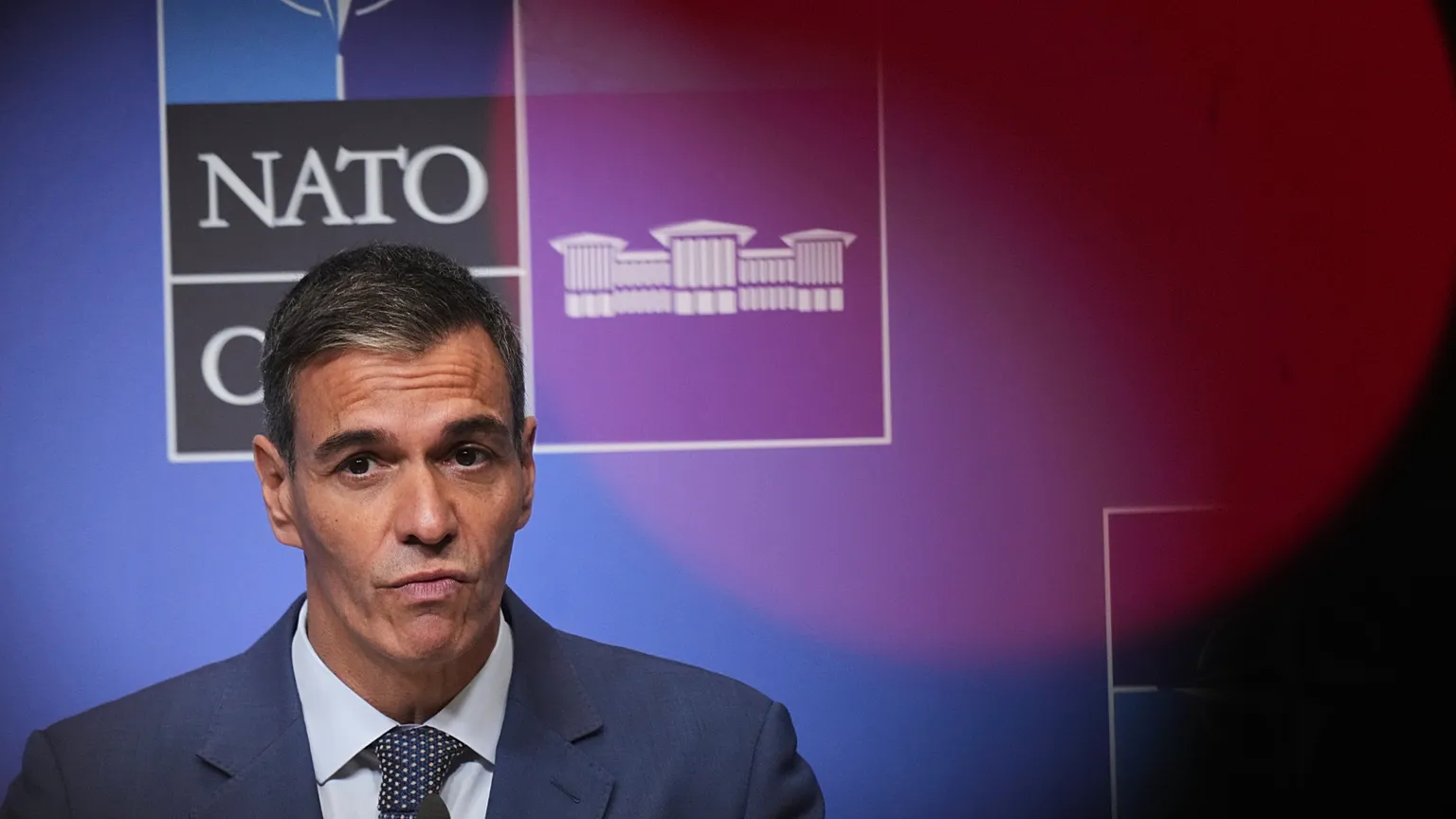
Madrid rejects Washington’s demands and trade threats.
ANKARA, TÜRKİYE — July 2026. Spanish Prime Minister Pedro Sánchez defended his country’s contribution to NATO during the alliance’s summit in Ankara, arguing that Spain has fulfilled its military commitments despite renewed criticism from US President Donald Trump. Sánchez said the country had already met the capability objectives established for 2026 and ranked seventh among NATO’s 32 members in the alliance’s assessment. He emphasized that Spain’s contribution should be measured through operational capacity and deployments, not exclusively as a percentage of gross domestic product. The dispute exposed persistent divisions over how allied responsibility should be calculated.
Sánchez highlighted Spain’s military presence on NATO’s eastern flank, noting that it was among the members with the largest number of personnel deployed abroad. He also presented Spain as one of the alliance’s leading contributors in naval and air capabilities and cited its participation in missions in Iraq and other strategic regions. During the summit, he announced that Spanish troops would join NATO’s advanced land forces in Finland to reinforce security in the Arctic and northern Europe. Madrid presented the deployment as further evidence of its commitment to collective defense.
Trump nevertheless intensified his criticism, accusing Spain of failing to participate sufficiently and refusing to accept the alliance’s target of allocating five percent of GDP to defense. He described the country as an unreliable partner and called for the suspension of trade and even visits between the United States and Spain. The US president also linked his frustration to Madrid’s refusal to support American military operations connected to the conflict with Iran. His statements represented one of the summit’s sharpest public attacks against a NATO ally.
Sánchez responded by minimizing the confrontation and maintaining that relations between Spain and the United States remain strong. He said his direct conversation with Trump had been cordial and focused on football and golf rather than defense spending. The Spanish government also stressed that commercial policy is negotiated by the European Union, making it difficult for Washington to isolate one member state through bilateral measures. Madrid further noted that Spain maintains a trade deficit with the United States and hosts strategically important American naval and air facilities.
The confrontation did not prevent NATO from closing the summit with a message of unity, but it revealed a widening disagreement between military spending targets and actual operational contributions. Spain insists it can meet the alliance’s capability requirements while limiting defense expenditure to approximately 2.1 percent of GDP. Washington continues to demand a substantially larger financial commitment from all members. The dispute therefore remains unresolved despite the diplomatic calm displayed at the end of the meeting.
Spain defended its record, while Trump kept the pressure firmly in place.