

 Phoenix 24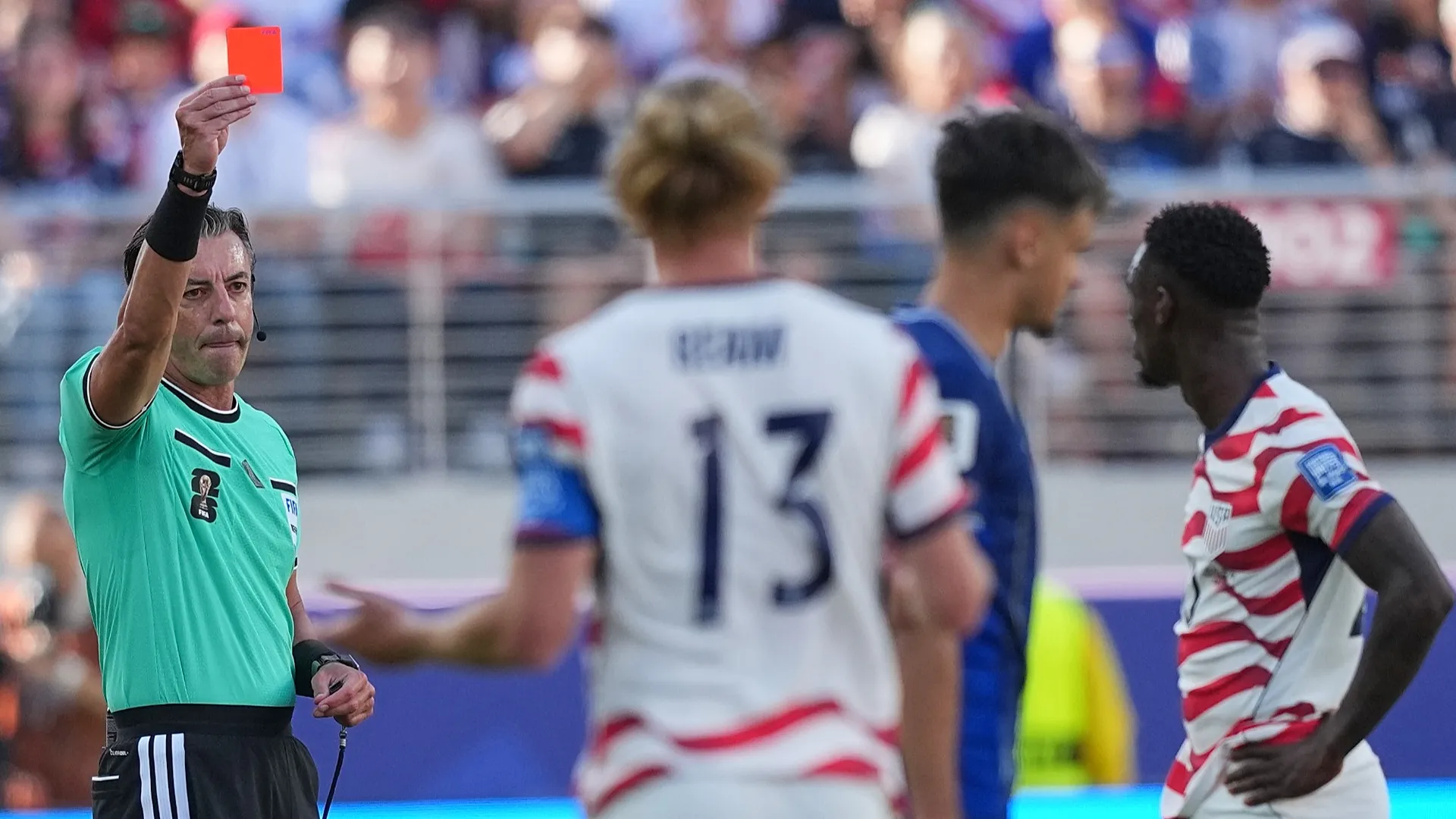
Disciplinary controversy shakes the World Cup’s credibility.
SEATTLE, UNITED STATES — July 2026. UEFA has launched an extraordinary attack against FIFA after the world football governing body allowed United States striker Folarin Balogun to play against Belgium despite receiving a red card in his previous World Cup match. FIFA postponed the mandatory one-game suspension for one year on a probationary basis, clearing the forward for the decisive round-of-16 encounter. The ruling departed from the customary enforcement of disciplinary sanctions following a direct dismissal. UEFA described the decision as an unprecedented threat to the integrity and credibility of the tournament.
The European governing body accused FIFA of having “crossed a red line” and declared that the case left no reasonable room for regulatory interpretation. UEFA argued that competition rules lose their authority when the organizations responsible for enforcing them choose not to apply them consistently. Its statement characterized FIFA’s intervention as incomprehensible and unjustifiable. The confrontation has revived institutional tensions between both organizations over football governance and disciplinary control.
Balogun was sent off during the United States’ group-stage match against Bosnia and Herzegovina on July 1, but FIFA later announced that his suspension would be deferred. Belgium immediately began preparing an urgent appeal to prevent the striker from participating in the knockout match. Belgian officials consider his availability a direct competitive disadvantage created by an exceptional ruling. The controversy intensified because Balogun has emerged as one of the most influential players in the United States’ World Cup campaign.
American coach Mauricio Pochettino defended the decision, arguing that the original red card was excessive because the incident was not intentional. Christian Pulisic described Balogun’s return as a major boost, while US Soccer welcomed the outcome. Other international coaches and officials warned that the ruling could damage the tournament and establish a dangerous disciplinary precedent. The dispute now extends beyond one player and raises broader questions about whether sporting regulations can be modified under political or institutional pressure.
Belgium’s appeal could force FIFA to explain the legal basis for delaying a suspension that would normally take immediate effect. UEFA maintains that equal enforcement is essential to protect every national team competing under the same rules. The final outcome may influence how disciplinary decisions are interpreted across international football. What began as a red-card controversy has now become a direct institutional confrontation between UEFA and FIFA.
One exceptional ruling has ignited a global football crisis.