

 Phoenix 24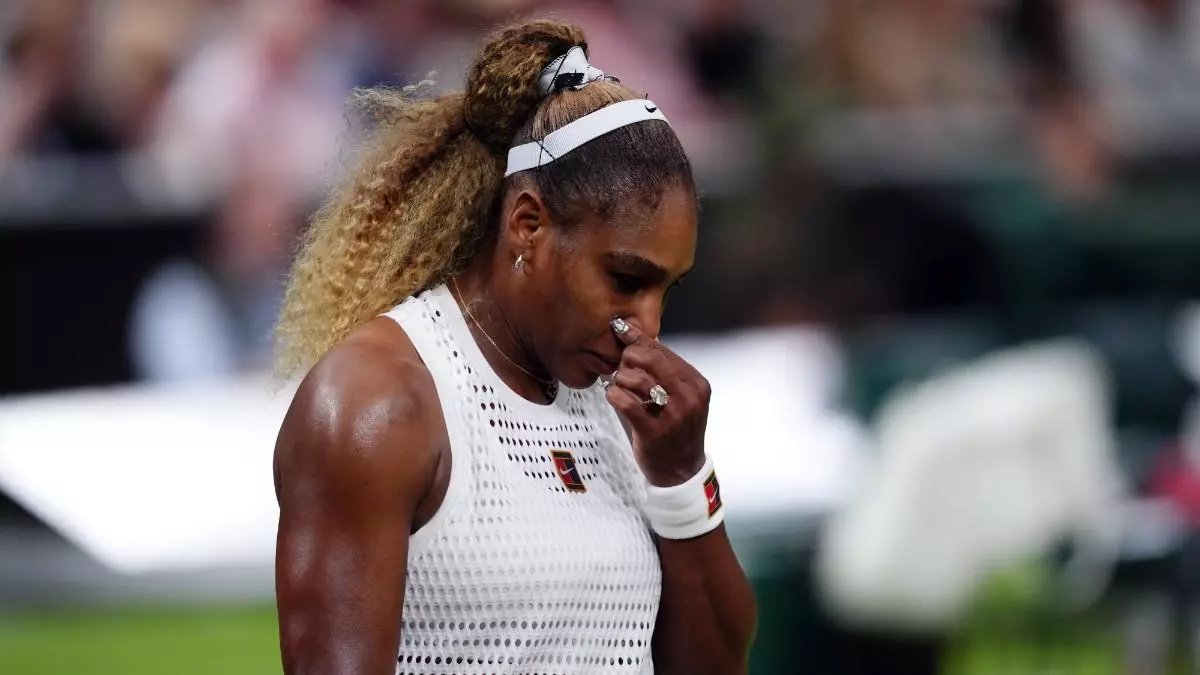
Medical exemption ends debate over missed press conference.
LONDON, UNITED KINGDOM — July 2026. Serena Williams avoided a potential fine of up to $50,000 after Wimbledon confirmed that medical officials had excused her from attending the mandatory press conference following her first-round defeat. The 44-year-old American suffered a problem in her right knee during her three-set loss to Australia’s Maya Joint. Although critics initially accused Williams of ignoring her media responsibilities, the tournament determined that her absence was justified under Grand Slam regulations. The decision prompted a forceful defense from her coach, Rennae Stubbs.
Williams returned to Wimbledon singles competition after an absence of almost four years and received a wildcard into the main draw. She competed for nearly two and a half hours before Joint secured a 6-3, 6-7, 6-3 victory on Centre Court. The 23-time Grand Slam singles champion showed flashes of the power and determination that defined her historic career, but the physical demands of the match eventually affected her movement. She left the court following a brief handshake with her opponent and did not appear before reporters afterward.
Grand Slam rules require players to participate in post-match media activities when requested, with financial sanctions possible for those who refuse without reasonable grounds. Williams’ immediate departure therefore generated criticism from journalists and tennis followers who believed that her status had allowed her to receive preferential treatment. Some demanded that Wimbledon impose the maximum $50,000 penalty. Questions also emerged over why the tournament initially released only a brief written statement instead of immediately explaining her medical condition.
Her agent, Jill Smoller, later confirmed that Williams had aggravated her right knee near the end of the opening set. Medical teams from Wimbledon and the Women’s Tennis Association examined the injury and officially released her from her press obligations. Reports indicated that the knee became severely swollen and required extensive treatment after the match. Williams eventually revealed that doctors had drained fluid from the affected area as part of the recovery process.
Rennae Stubbs responded sharply to the criticism directed at the American champion. The former doubles world No. 1 said commentators had rushed to judgment without knowing the medical circumstances surrounding Williams’ departure. Stubbs emphasized that the exemption had been issued by tournament and WTA doctors rather than requested as special treatment by the player. She argued that the public reaction demonstrated how quickly established athletes can be condemned before complete information becomes available.
Williams issued a statement expressing gratitude for the opportunity to compete at Wimbledon again. She said returning to the grass courts had been deeply meaningful, especially because her daughters were able to watch her pursue something she remained passionate about. The American also congratulated Joint and thanked the spectators who welcomed her back with a standing ovation. Her message acknowledged the injury while maintaining that the experience itself remained personally valuable despite the defeat.
The knee problem ultimately forced Williams to withdraw from the women’s doubles competition, where she had planned to reunite with her sister Venus. The six-time Wimbledon doubles champions had received a wildcard and were scheduled to face Camila Osorio and Solana Sierra. Tournament officials reportedly adjusted the schedule to provide additional recovery time, but Serena’s condition did not improve sufficiently. She described the withdrawal as heartbreaking after attempting several treatments to make the anticipated reunion possible.
Photographs and video later published by Williams showed her walking with difficulty and receiving medical attention. The images reinforced the explanation that her press-conference absence had resulted from a genuine physical problem rather than frustration with the result. They also demonstrated the toll of returning to elite competition after an extended period away from singles tennis. At 44, Williams faced an opponent 24 years younger while attempting to compete at the physical intensity required by a Grand Slam tournament.
The controversy nevertheless reopened debate about the relationship between athletes and the media. Post-match press conferences are considered part of a professional player’s responsibilities because they provide explanations, accountability and access for supporters. Tournament regulations also recognize that injuries, illness or other reasonable circumstances may make immediate appearances inappropriate. The Williams case illustrated the importance of communicating exemptions quickly to prevent speculation from becoming the dominant narrative.
Her Wimbledon return ended without a victory, but it attracted global attention and renewed interest in whether she might continue competing. Williams has not confirmed a long-term schedule, although her statements suggested that the experience had not completely closed the possibility of another appearance. The health of her knee will determine whether she can prepare for the North American hard-court season or consider participating in the US Open. For now, the medical exemption has removed the threat of a fine while leaving the broader conversation about her comeback unresolved.
Complete information can transform controversy into understanding.