

 Phoenix 24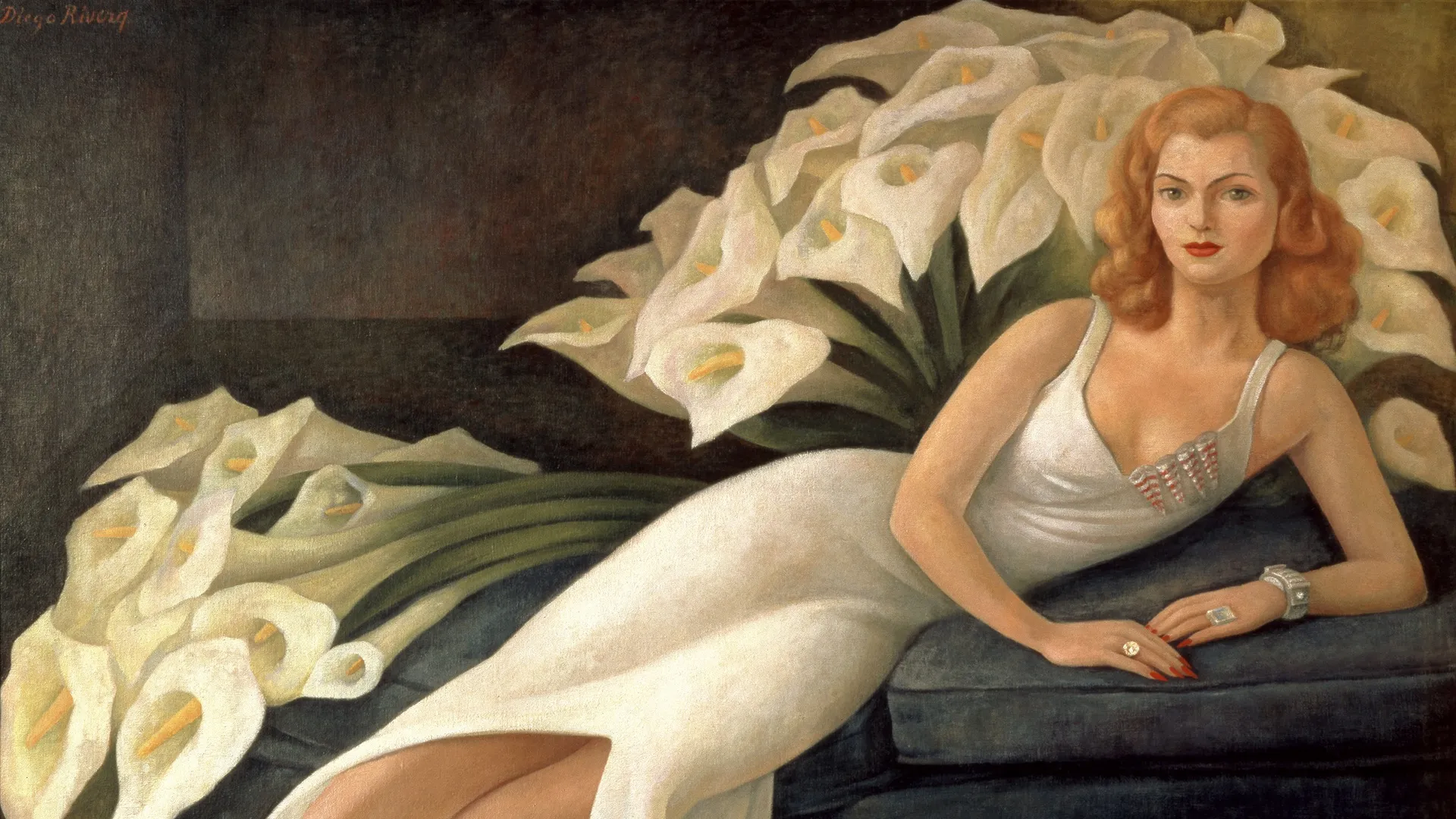
Legal challenges confront a controversial international loan.
MEXICO CITY, MEXICO — July 2026.
A coalition of Mexican artists, historians, critics and lawyers has opened legal proceedings over the handling of the Gelman Collection, one of the country’s most valuable private holdings of modern art. The group, known as Defense of the Gelman Collection, filed an amparo action challenging decisions by the National Institute of Fine Arts and Literature and arrangements involving Banco Santander. Its filing argues that authorities may have violated constitutional and heritage-protection obligations when facilitating the collection’s international transfer and long-term management. The action is described as the first of several planned lawsuits and moves a months-long cultural controversy into federal court.
The Gelman Collection was assembled by film producer Jacques Gelman and his wife, Natasha, who settled in Mexico and became major patrons of twentieth-century Mexican art. The holding contains approximately 300 works by artists including Frida Kahlo, Diego Rivera, David Alfaro Siqueiros, Rufino Tamayo and José Clemente Orozco. Its importance comes from both the value of individual paintings and the historical coherence of a collection closely associated with Mexico’s modern cultural identity. The current ownership is linked to the Mexican Zambrano family, while Fundación Banco Santander has agreed to preserve, study, manage and exhibit significant parts of the collection.
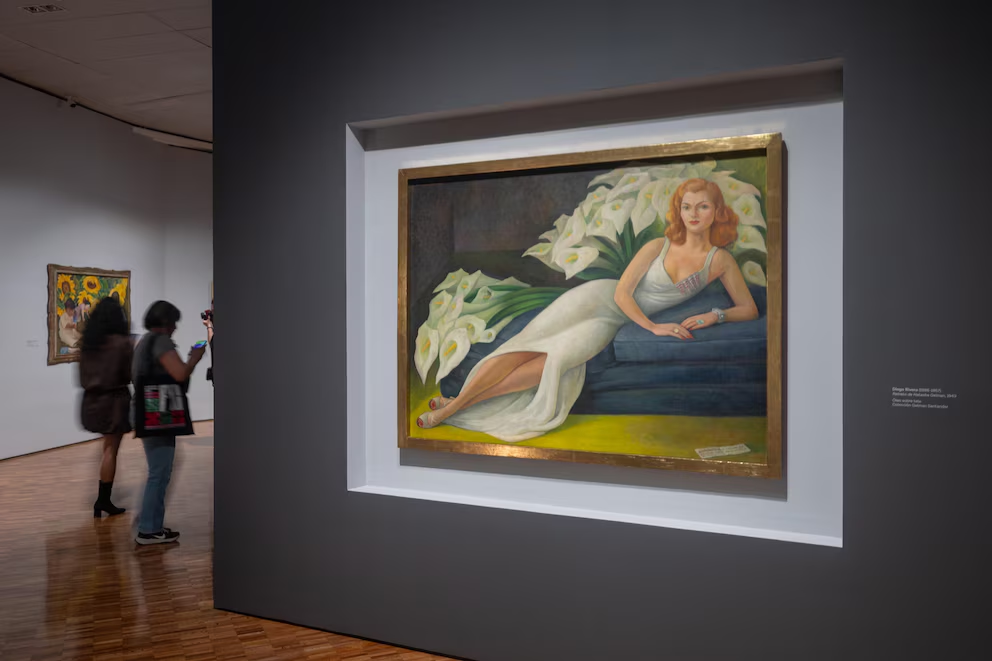
Concern intensified after works reappeared in Santander-related holdings in Spain, following a period in which Mexican authorities said they did not know their precise location. The collection is scheduled to be displayed at Faro Santander, the foundation’s new cultural center in northern Spain, beginning in September 2026. Mexican officials and the foundation describe the transfer as temporary and say the works will return to Mexico in 2028. Critics remain concerned because documents reportedly authorize international circulation through 2030 and may allow extensions under certain conditions.
The legal strategy challenges the administrative framework that permitted the works to leave Mexico rather than simply opposing a particular exhibition abroad. Lawyers representing the collective argue that the disputed agreement must be reviewed under constitutional rules and federal legislation protecting artistic monuments. Several works by Kahlo, Rivera, Orozco and Siqueiros fall within categories subject to special state supervision because their creators have been declared part of Mexico’s artistic heritage. The courts must determine whether the plaintiffs have legal standing and whether the challenged acts complied with the duties imposed on cultural authorities.
The collective says its case is not directed against international exhibitions, scholarly exchange or the legitimate circulation of Mexican art. Its central claim is that public institutions cannot set aside mandatory protections for administrative convenience or to accommodate a private financial arrangement. The group warns that exceptional treatment for one prominent collection could weaken the legal certainty on which museums, collectors and cultural institutions have relied for decades. It is also requesting a formal investigation into the permits, agreements and official decisions that shaped the transfer and future exhibition schedule.
Banco Santander’s foundation rejects suggestions that it purchased the collection or plans to remove it permanently from Mexico. The institution says the works remain the property of the Zambrano family and that its role is limited to conservation, research, management and temporary international exhibition. It also maintains that the agreement respects Mexican heritage law and does not involve a permanent change of ownership or destination. The National Institute of Fine Arts has defended its supervision while acknowledging that public resources may not be sufficient to acquire an asset of such magnitude.
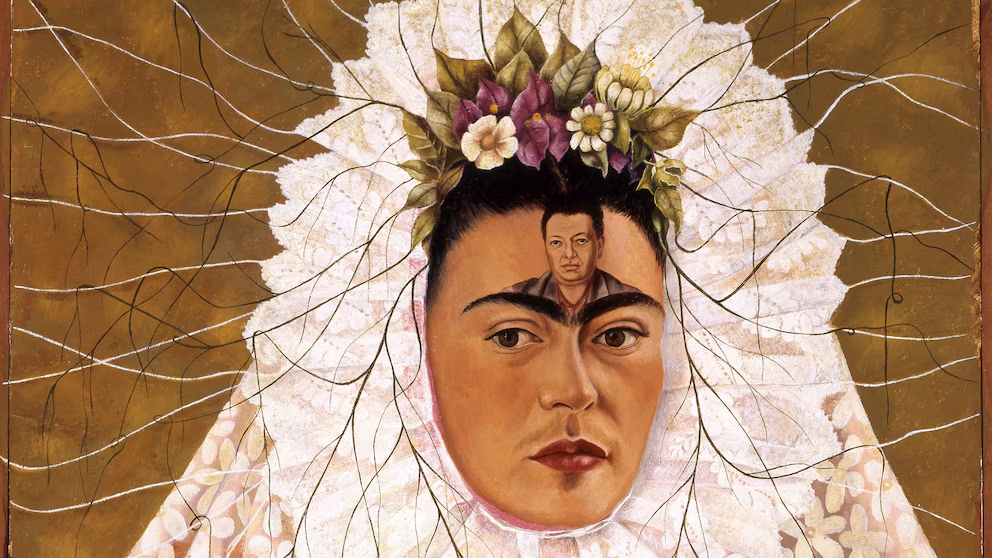
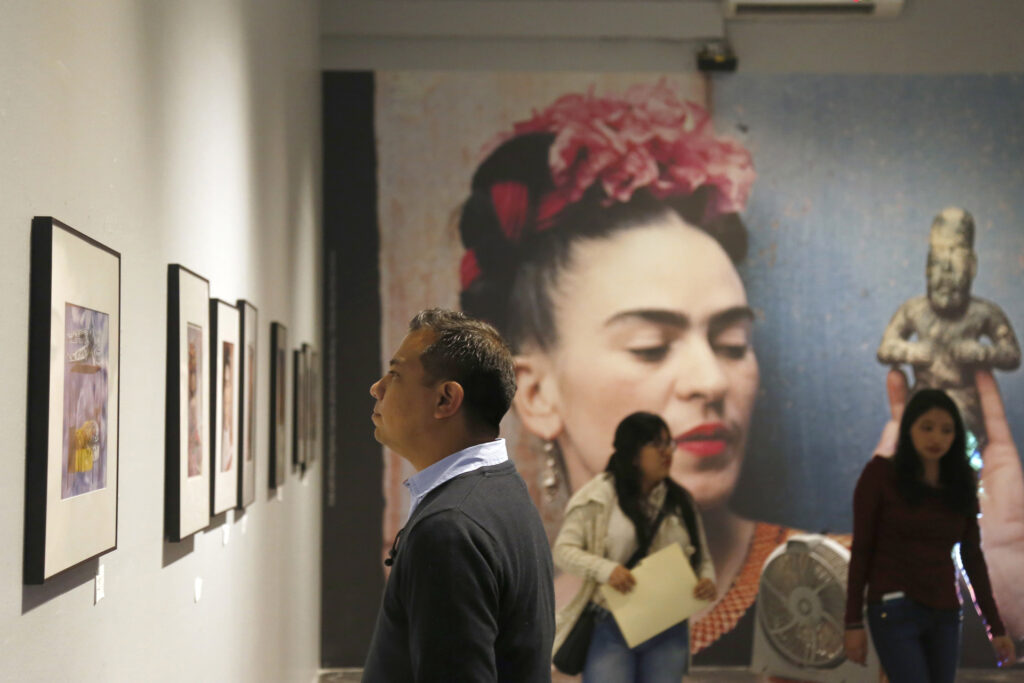
The dispute has acquired exceptional symbolic weight because the collection contains ten works by Frida Kahlo, according to the coalition, while only seven works by the artist are held directly by the Mexican state. Kahlo’s paintings are among the most internationally recognized and commercially valuable objects associated with Mexican culture. Major works by Rivera, Siqueiros, Tamayo and other modernists further strengthen the collection’s significance as a historical ensemble rather than a random group of expensive objects. For critics, preserving public access and national oversight is therefore as important as guaranteeing the physical safety of the works.
Another controversial element is the reported use of the collection as collateral for substantial private financing. The collective argues that constitutional powers intended to protect national artistic heritage should never be exercised primarily to favor banking interests or secure a private loan. Santander and the owners reject that characterization, emphasizing instead the cultural program, professional conservation and international visibility enabled by their agreement. The proceedings may clarify how private property rights, financial arrangements and public heritage duties interact when nationally protected artworks form part of a commercial transaction.
The collection is expected to remain publicly visible through exhibitions in Mexico and Spain while the judicial process develops, although future schedules could be affected by court orders. Supporters of the challenge want a permanent space in Mexico where the works can be studied and viewed as a unified cultural legacy. Government authorities and Santander insist that international exhibition and responsible preservation can coexist with Mexican ownership and legal oversight. The courts must now decide whether the existing arrangement achieved that balance or crossed constitutional boundaries designed to protect the nation’s artistic heritage.
Phoenix24 — Global news with clarity and perspective.