

 Phoenix 24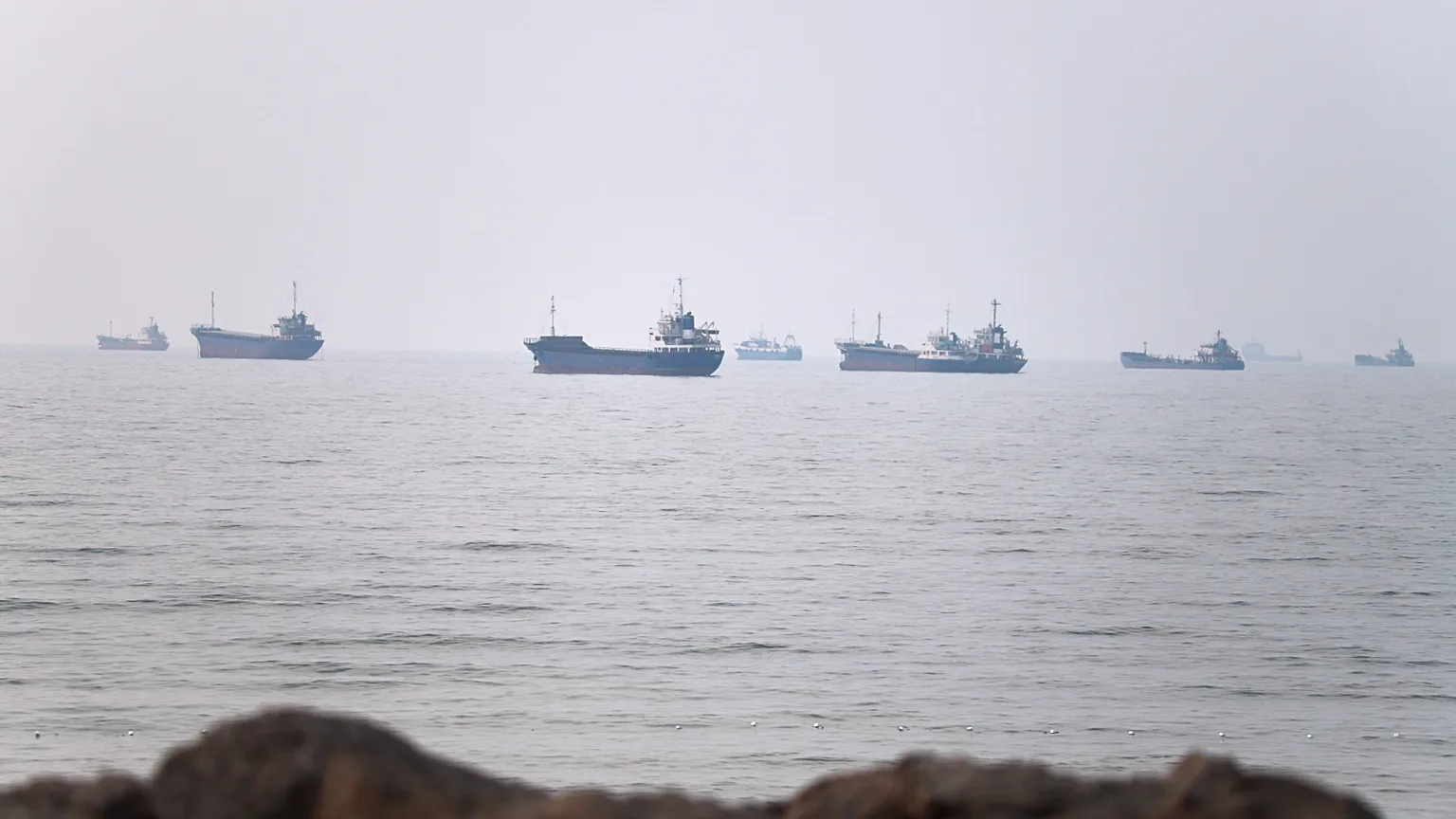
Diplomacy advances while maritime confrontation remains unresolved.
DOHA, QATAR — July 2026.
Iran’s military leadership has renewed its threats against commercial vessels in the Strait of Hormuz even as indirect negotiations with the United States concluded in Doha with what mediators described as positive progress. The Khatam al-Anbiya command warned that ships deviating from routes approved by Tehran or ignoring Iranian navigation procedures could face an immediate and forceful response. Iranian authorities also accused continued United States military flights over the waterway of increasing insecurity and threatening regional stability. The warning demonstrated that diplomatic engagement has not resolved the central dispute over who controls navigation through one of the world’s most important maritime corridors.
The latest statement appeared after United States Central Command met regional officials in Bahrain and emphasized its commitment to the free flow of commercial traffic through Hormuz. Tehran interpreted that position as interference in matters it considers directly connected to Iranian sovereignty and national defense. Iranian commanders said any disruptive action by Washington would trigger a rapid and decisive reaction from the country’s armed forces. The exchange highlighted the incompatible positions separating the two governments despite their willingness to continue negotiations through Qatari and Pakistani mediators.
Under the framework agreement reached in June, Iran accepted a sixty-day period during which vessels could pass through the strait without paying charges. Tehran nevertheless insists that it retains authority to determine which ships may enter, which routes they must use and whether passage fees can be imposed after the temporary period expires. The United States and several Gulf governments reject that interpretation, arguing that no single country can unilaterally regulate or charge ordinary traffic through an international strait. This disagreement has become one of the principal obstacles to transforming the temporary ceasefire into a permanent regional settlement.
Tensions increased during the previous weekend after Oman and an international maritime body supported an alternative navigation route closer to the Omani coast. Iranian forces reportedly fired on vessels attempting to use that corridor without Tehran’s authorization, producing a brief but intense military exchange with the United States. Washington said it struck ten Iranian military targets in response to aggression against commercial shipping, while Iran announced retaliatory attacks against United States bases in Kuwait and Bahrain. The violence later subsided, allowing negotiators to meet in Doha without another immediate escalation at sea.
Qatar and Pakistan said their separate meetings with American and Iranian representatives ended with positive progress on issues connected to the memorandum that halted the latest phase of the conflict. Iran’s deputy foreign minister, Kazem Gharibabadi, said the parties agreed to establish a communication channel for reporting and recording alleged violations of the agreement. Discussions also covered frozen Iranian assets, including arrangements for using part of an initial six billion dollars to purchase goods required by Tehran. The talks produced procedural advances, but they did not deliver a final agreement on Hormuz, nuclear policy or the wider security architecture of the region.
United States President Donald Trump presented the negotiations as evidence that efforts to reduce Iran’s nuclear capabilities were moving in a favorable direction. The June memorandum established a ceasefire, reopened the previously blockaded strait and created a timeline for broader discussions aimed at permanently ending the war. Its fourteen points also address reconstruction funding, maritime arrangements and the future of Iran’s nuclear program. Negotiators in Doha focused primarily on the strait, leaving the most difficult nuclear questions for later rounds.
The next meeting will not take place until after the funeral processions for Iran’s late supreme leader, Ayatollah Ali Khamenei, who was killed during the opening United States and Israeli strikes in February. Public ceremonies are scheduled to begin during the weekend before his burial on July ninth at the Imam Reza shrine in Mashhad. Qatar and Pakistan said both sides agreed to resume talks at the earliest possible time after the funeral period concludes. The interruption gives diplomats additional time to develop proposals, but it also creates space for military incidents or confrontational rhetoric to undermine the fragile process.
The Strait of Hormuz remains central because it connects Persian Gulf energy producers with international markets and carries a major share of global oil and liquefied natural gas exports. Shipping has gradually resumed under the temporary arrangement, contributing to lower energy prices and reduced fears of an immediate supply crisis. Maritime operators still face uncertainty over routing, security guarantees, insurance costs and the possibility of renewed attacks if negotiations fail. Iran’s latest warning therefore exposes the contradiction defining the current moment: diplomacy is producing limited progress, but the fundamental struggle over control of Hormuz remains unresolved.
Phoenix24 — Global news with clarity and perspective.