

 Phoenix 24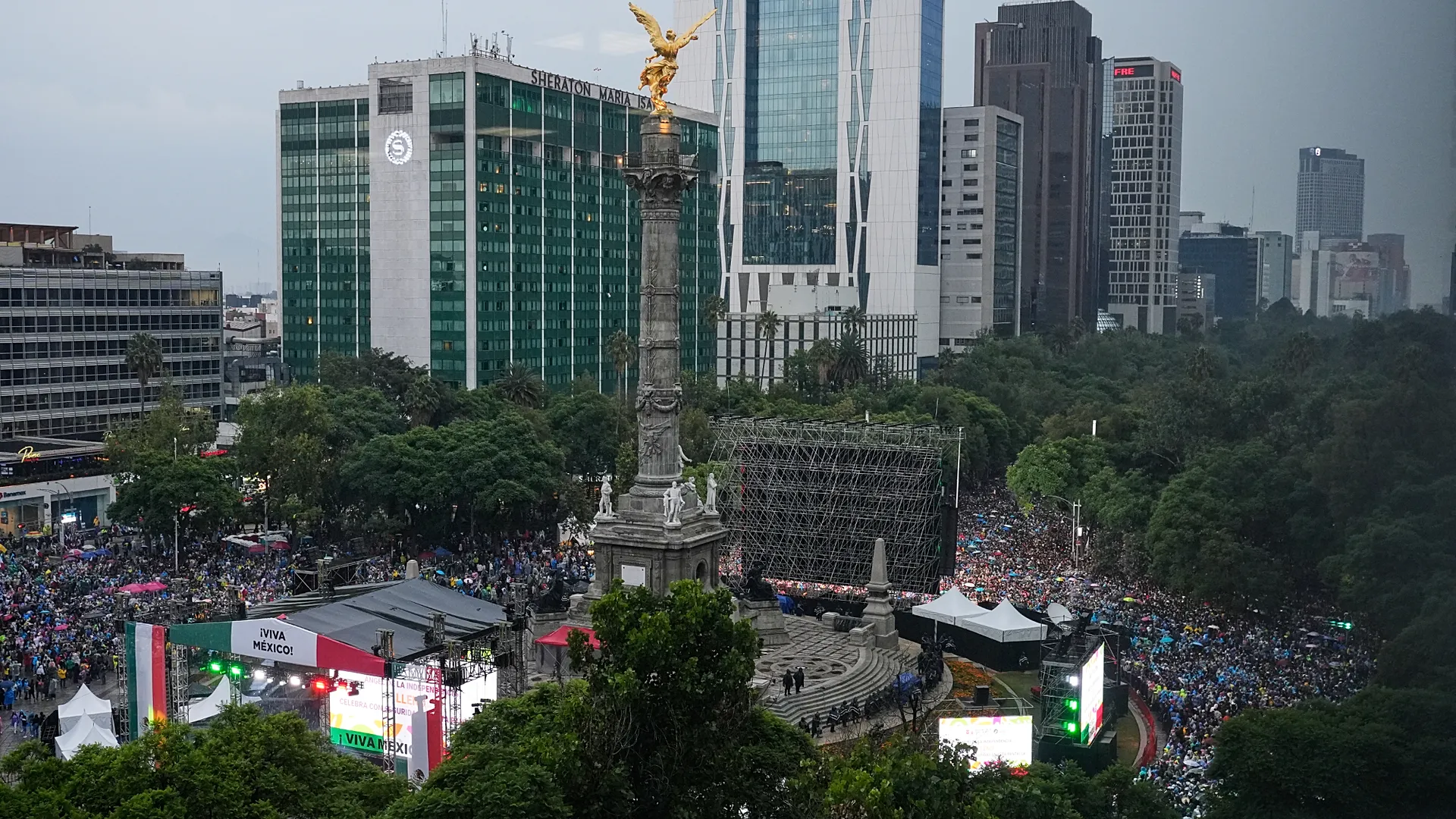
Three fans die from asphyxiation amid massive crowds
MEXICO CITY, Mexico — July 2026.
Three people died from asphyxiation during massive celebrations in Mexico City after the Mexican national team defeated Ecuador 2-0 and advanced to the round of 16 of the 2026 FIFA World Cup. The victims were identified as a 44-year-old man and two women aged 19 and 48, according to information released by the capital’s health authorities. Emergency services found them unconscious at different locations near Paseo de la Reforma and the Ángel de la Independencia, where hundreds of thousands of supporters had gathered. Despite receiving advanced resuscitation procedures and specialized medical attention, none of the three victims survived.
The celebrations began after Mexico secured a historic victory over Ecuador with goals from Raúl Jiménez and Julián Quiñones, ending a four-decade wait for a Mexican triumph in a World Cup knockout match. Supporters filled central avenues, public squares and streets around the Ángel de la Independencia, traditionally one of the capital’s most important gathering points for national celebrations. Large public screens had been installed along Paseo de la Reforma so residents and visitors could watch the match together. As the final whistle confirmed Mexico’s qualification, the area became increasingly congested as more people arrived to participate in the festivities.
Emergency teams were initially alerted after reports that several people had lost consciousness in the Juárez neighborhood, close to the principal celebration zone. Paramedics, firefighters, Civil Protection personnel and police officers attempted to reach the victims through extremely dense crowds. A 19-year-old woman and a 44-year-old man were located near the intersection of Hamburgo and Lancaster streets, where medical personnel performed cardiopulmonary resuscitation and other emergency procedures. A 48-year-old woman was treated separately near Berna Street and later died after being transported to a hospital.
Authorities subsequently reported a fourth death connected to the night’s events, although that victim did not die from asphyxiation. The man, believed to have been in his thirties, was admitted to a hospital after experiencing severe seizures and gastrointestinal bleeding before suffering cardiac arrest. Medical staff attempted to stabilize him, but he was later pronounced dead. The additional fatality increased the number of deaths associated with the celebrations in the capital, while officials continued reviewing the circumstances surrounding each case.
Estimates indicated that between several hundred thousand and approximately one million people gathered in central Mexico City following the victory. The extraordinary concentration placed considerable pressure on pedestrian corridors, emergency access routes and public transportation systems. Videos recorded during the night showed densely packed groups of supporters, fireworks, street bands, alcohol consumption and moments of disorder across parts of the celebration zone. Authorities had previously implemented traffic closures, additional security deployments and restrictions on alcohol sales, but the size and intensity of the gathering exceeded normal conditions.
Clara Brugada, head of the Mexico City government, expressed condolences to the families and confirmed that municipal institutions were providing support. She stated that emergency medical protocols had been activated but that the victims could not be saved despite the efforts of first responders. Brugada also urged residents to celebrate responsibly, emphasizing the importance of care, empathy and cooperation during large public gatherings. Federal and local authorities announced that the incidents would be examined to determine whether additional measures should be introduced before Mexico’s next World Cup match.
The tragedy has intensified scrutiny of crowd-management strategies during major sporting events, particularly in locations where spontaneous gatherings can rapidly exceed official projections. Managing such concentrations requires clear evacuation routes, controlled access points, reliable crowd-density monitoring and unobstructed corridors for ambulances and emergency personnel. Excessive pressure within a tightly packed crowd can restrict breathing even when individuals remain standing, creating a potentially fatal form of compressive asphyxia. The risks can increase when panic, sudden movement, fireworks, alcohol consumption or limited visibility cause sections of the crowd to push in different directions.
Mexico’s victory had generated exceptional enthusiasm because the national team had not won a World Cup knockout match in 40 years. The result sent the tournament’s co-host into the round of 16, where Mexico is scheduled to face England after the English team defeated the Democratic Republic of Congo. The achievement was celebrated across the country and among Mexican communities abroad, but the deaths in the capital cast a shadow over the sporting milestone. Attention will now focus on whether authorities modify security arrangements, viewing zones and celebration protocols before the next match.
The Mexico City government faces the challenge of preserving public access to major World Cup celebrations while reducing the risks created by extreme crowd density. Upcoming gatherings are expected to attract large numbers of supporters as Mexico continues its campaign on home soil. Officials may consider expanding celebration areas, increasing the distance between public screens, limiting access to saturated zones and strengthening real-time communication with attendees. The deaths of the four people have transformed a night of national sporting celebration into an urgent warning about the human consequences of uncontrolled overcrowding.
Phoenix24 — Global news, clearly told.