

 Phoenix 24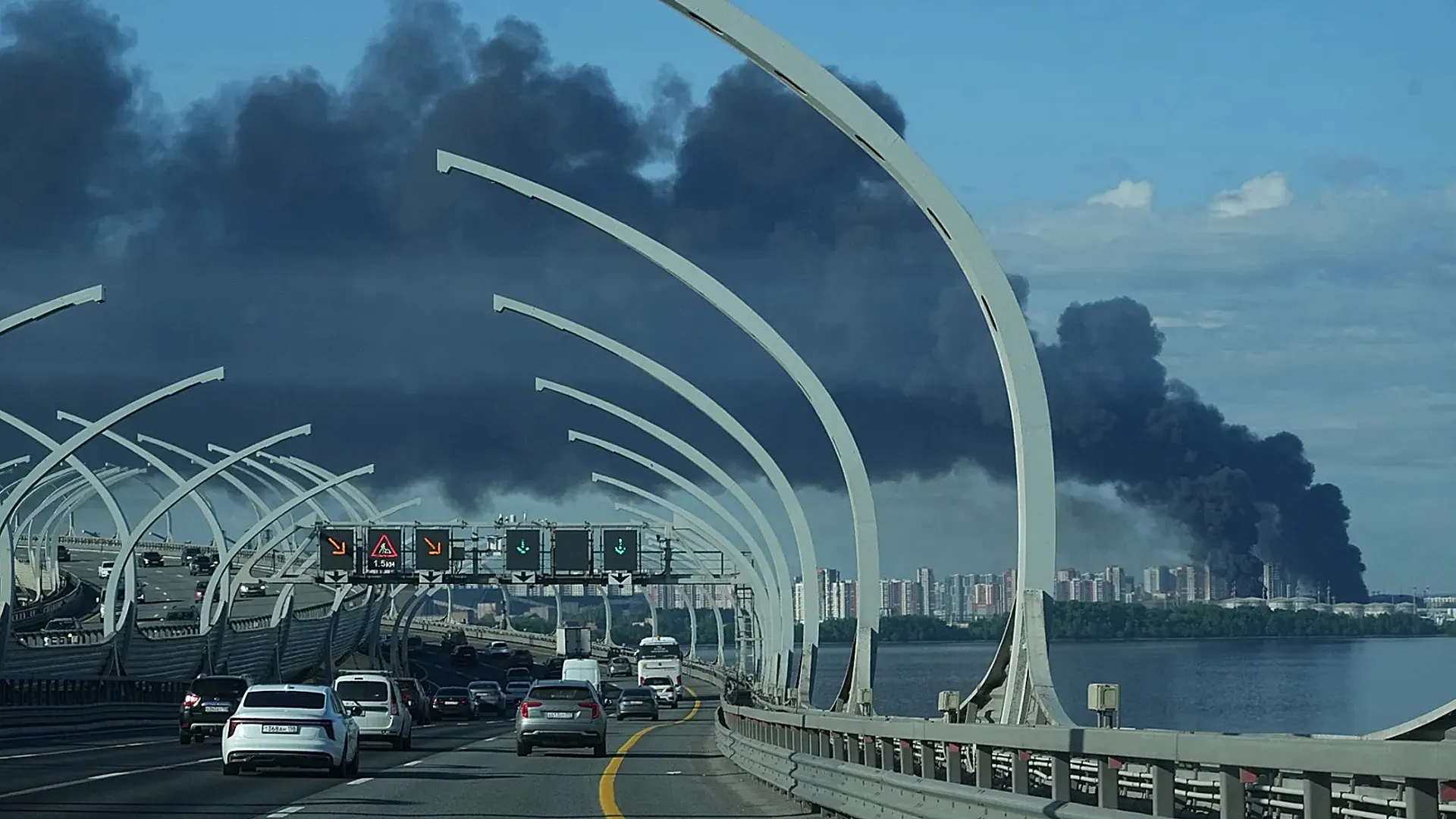
Kyiv is combining long-range strikes with diplomatic pressure and psychological warfare.
Kyiv, June 2026
Ukraine has launched a 40-day campaign designed to increase pressure on Russia and push the Kremlin toward ending the war. President Volodymyr Zelenskyy said he approved the operation after consultations with the head of Ukraine’s Security Service, which has played a central role in long-range strikes against Russian military, industrial and energy targets. Kyiv has not disclosed the full operational plan, but the announcement indicates that the campaign will combine sustained attacks with political messaging aimed at influencing both Russian decision-makers and the wider population.
The operation comes after months of intensified Ukrainian strikes inside Russia and Russian-occupied territories. Kyiv has increasingly used long-range drones to hit oil refineries, gas facilities, satellite communications infrastructure, military airfields and logistical routes. Ukrainian officials often describe these attacks as “long-range sanctions,” arguing that they impose direct costs on Russia’s ability to finance and sustain the invasion. The 40-day timeframe suggests a coordinated phase rather than isolated operations.
One of the campaign’s first major signals came with a large overnight drone assault affecting a dozen Russian regions, occupied Crimea and surrounding maritime areas. Russia’s Defense Ministry claimed that its air defenses intercepted 660 Ukrainian drones, which would make the attack one of the largest of the war. Independent confirmation of the full number and the extent of damage remained limited, but reports indicated that industrial facilities, military assets and infrastructure were targeted.
Ukraine’s Security Service said its drones struck Russian naval vessels and air-defense radars in Kerch, a strategically important area of occupied Crimea. The targets reportedly included reconnaissance and minelaying ships, along with a ferry used in the region. Ukrainian officials also said fires were caused at some of the sites. The claims could not immediately be verified independently, but the operation fits Kyiv’s broader effort to weaken Russia’s control over Crimea and disrupt the peninsula’s military supply network.
The campaign follows earlier strikes on the Orenburg Gas Processing Plant and satellite communications centers in the Moscow and Vladimir regions. The Orenburg complex is located more than 1,200 kilometers from the Ukrainian front and is considered one of Russia’s largest gas-processing facilities. Ukraine said the plant also produces materials with military applications, including helium and ethane used in missile and ammunition production.
Kyiv’s strategy appears to be based on cumulative disruption rather than a single decisive attack. Repeated strikes can force Russia to move air-defense systems away from the front line and toward Moscow, Crimea and critical industrial facilities. This redistribution may create vulnerabilities elsewhere while increasing the financial and logistical burden of protecting a vast territory. Zelenskyy has argued that Russian citizens must understand that the continuation of the war carries consequences inside Russia itself.
The operation also carries a psychological objective. Ukraine is attempting to weaken the perception that the Russian homeland is protected from the effects of the conflict. For much of the war, Russian forces have launched missiles and drones against Ukrainian cities while large parts of Russia remained physically distant from the battlefield. Deep strikes challenge that separation and may increase domestic pressure on the Kremlin.
Kyiv presents the campaign as a response to Russia’s refusal to accept an unconditional ceasefire. Ukraine has said it is prepared to halt fighting as part of negotiations, while accusing President Vladimir Putin of prolonging the conflict and rejecting serious diplomatic proposals. The 40-day operation is therefore being framed not as an alternative to peace talks, but as a way to make continued refusal more costly.
The timing is also significant. International diplomatic efforts have produced limited results despite repeated ceasefire proposals, prisoner exchanges and meetings involving the United States and European governments. Ukraine continues to depend heavily on military and financial support from its allies, but it is also trying to demonstrate that it can impose its own pressure on Russia. The campaign may be intended to strengthen Kyiv’s position before future negotiations.
At the same time, the strategy carries substantial risks. Russia is likely to respond with additional missile and drone attacks against Ukrainian cities, energy infrastructure and military positions. Recent Russian strikes have already killed and injured civilians across several Ukrainian regions. Escalation can therefore increase pressure on Moscow while also exposing Ukraine to heavier retaliation.
The effectiveness of the campaign will depend on whether Ukraine can sustain the tempo of long-range attacks. Drone production, intelligence, targeting and logistics must operate continuously over the 40-day period. Russia will also adapt by strengthening defenses, dispersing assets and improving electronic warfare. What is effective during the opening days may become more difficult as the operation continues.
The campaign’s diplomatic impact is equally uncertain. Military pressure can create incentives for negotiation, but it can also reinforce hardline positions. Russian officials may use Ukrainian attacks to justify further escalation and present the war as a defense of national territory. Ukraine, meanwhile, will need to maintain international support by demonstrating that its targets are connected to Russia’s war effort.
The exchange of prisoners between both countries shows that limited cooperation remains possible even during intense military escalation. Ukraine and Russia returned 160 prisoners each shortly after the large drone assault. Such exchanges do not indicate broader reconciliation, but they preserve one of the few functioning channels between the two sides.
The 40-day campaign reflects Ukraine’s attempt to combine military innovation with political pressure. Long-range drones are being used not only to destroy equipment or infrastructure, but to influence calculations in Moscow. The operation seeks to make the continuation of war more expensive, more visible and less comfortable for the Russian state.
Whether that pressure produces negotiations, escalation or only another cycle of attacks remains unresolved. Ukraine has chosen a defined period to test whether sustained disruption can achieve what diplomacy alone has not. The result will depend not only on the damage inflicted, but on how Russia, Ukraine’s allies and the Russian public interpret the campaign.
La presión también busca abrir una salida. / Pressure also seeks to open a way out.