

 Phoenix 24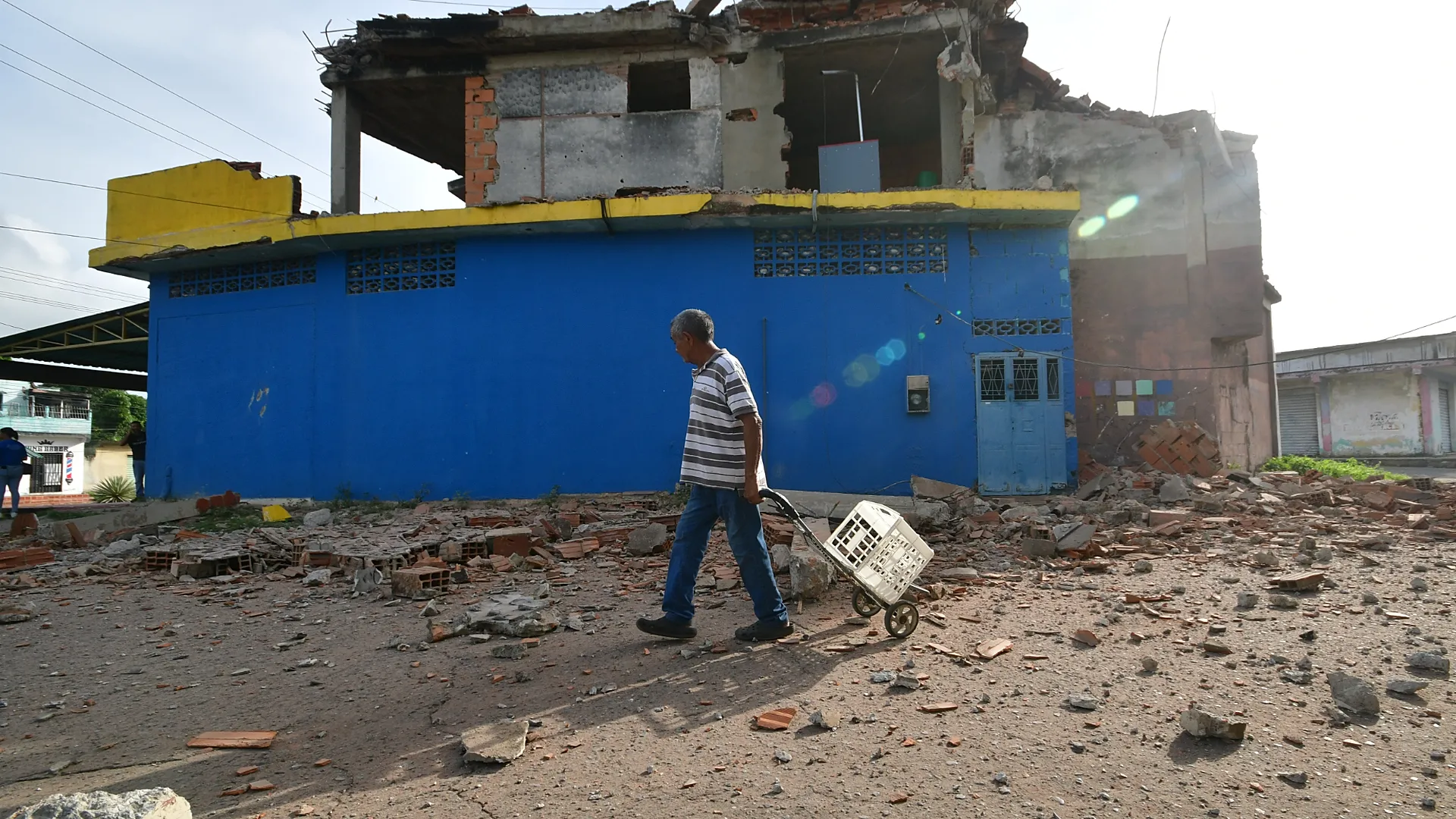
Money, supplies and verified information become urgent tools of solidarity.
Madrid, June 2026
Venezuelans living in Spain have begun organizing emergency support for their country after two powerful earthquakes struck northern Venezuela, leaving hundreds dead, thousands injured and many more missing. Community groups, journalists and humanitarian networks are collecting money, medical supplies, food and hygiene products while urging donors to verify carefully where their contributions are sent. The response reflects both the scale of the disaster and the deep connections maintained by a diaspora that has grown substantially across Spain.
The two earthquakes struck on the night of June 24 and caused severe destruction in several parts of northern Venezuela, including areas near Morón, Caracas and the coastal state of La Guaira. By June 26, authorities had confirmed more than 589 deaths and approximately 2,980 injuries, while rescue teams continued searching through collapsed buildings and unstable structures. Roads, hospitals and communications networks were affected, complicating the delivery of assistance. The country’s main international airport also closed temporarily after part of its roof collapsed.
For Venezuelans abroad, the first challenge has been determining how to help quickly without creating additional logistical problems. Alfonzo Iannucci, a Venezuelan journalist based in Madrid and director of the platform Diáspora Venezolana, has emphasized that financial contributions sent through established humanitarian organizations may be more effective than shipping physical goods immediately. Damaged roads, disrupted airports and overwhelmed local systems can delay the arrival of collected supplies.
Iannucci has encouraged donors to support organizations with a recognized history of humanitarian work, including Caritas, UNICEF and World Central Kitchen. His platform has temporarily shifted much of its attention toward distributing verified information about aid channels, missing persons and emergency needs. The objective is to reduce confusion at a moment when urgency can make people vulnerable to fraud.
That warning has become especially important as donation campaigns multiply across social media. Natural disasters frequently attract fraudulent accounts, false collection pages and individuals attempting to exploit public concern. Even small contributions should be directed through organizations capable of demonstrating where the money will go and how it will be used. Verification becomes part of the humanitarian response rather than a secondary administrative task.
The diaspora’s mobilization also reflects a long history of self-organization. Many Venezuelans living abroad say they cannot depend on their country’s institutions to coordinate assistance for expatriate communities or relatives overseas. Civil society groups, professional associations, churches and informal networks have therefore assumed responsibilities that would normally involve consular or state structures. The earthquake has intensified a pattern already developed during years of political, economic and migratory crisis.
In Madrid, the organization Venezolanos por España has announced a large collection campaign for Saturday, June 27, and Sunday, June 28. The group is asking residents to bring nonperishable food, medicines, hygiene products, infant formula, diapers, blankets and other essential items to the Sambil shopping center in Leganés. The collection point is scheduled to operate from 10 a.m. until 6:30 p.m. on both days.
The supplies will initially be received by the organization Toneladas de Alegría and later distributed through Fundación Bandazul. Organizers say the partnership is intended to create a clear chain of responsibility from collection in Spain to delivery in Venezuela. The challenge will be ensuring that transportation routes remain open and that the materials reach communities with the greatest needs.
Spain is home to one of the largest Venezuelan communities in Europe. Shared language, family ties and historical migration between both countries have made Madrid, the Canary Islands, Catalonia, Valencia and other regions important centers of Venezuelan life abroad. Many families remain divided between the two countries, which means that a disaster in Venezuela is immediately experienced through phone calls, missing relatives and uncertainty across the Atlantic.
Social media has become one of the main tools for locating relatives and sharing emergency information. Families are circulating names, photographs and last known locations while volunteers attempt to confirm reports. These networks can accelerate the search for missing people, but they can also spread outdated or incorrect information. Community organizers are therefore asking users to verify details before reposting appeals.
The disaster has exposed the fragility of Venezuela’s emergency infrastructure. Years of economic decline, shortages, institutional deterioration and migration have weakened hospitals, municipal services and technical agencies. Rescue teams are working under intense pressure, while local communities are often relying on neighbors and volunteers to remove debris, distribute food and identify shelters. The arrival of international assistance may reduce some of the burden, but immediate needs remain considerable.
Money can move faster than physical supplies, particularly when local organizations are already operating near affected areas. Financial donations can be converted into food, water, fuel, medicine and transport according to changing conditions. They also reduce customs delays and the cost of sending materials from Europe. For this reason, some diaspora leaders consider direct contributions through trusted institutions the most practical first response.
Physical collection campaigns still carry symbolic and operational value. They allow people who may not be able to donate significant amounts of money to contribute specific items. They also bring dispersed communities together and create visible expressions of solidarity. For families following the disaster from a distance, participation can offer a limited sense of action in a situation otherwise dominated by helplessness.
The effectiveness of these efforts will depend on coordination. Unrequested supplies can overwhelm warehouses, while duplicated campaigns may compete for the same donors. Organizers must identify priority needs, communicate transportation schedules and publish evidence of delivery. Transparency will be essential if public confidence is to be maintained throughout what may become a prolonged humanitarian emergency.
The mobilization in Spain is likely to expand as more information emerges from Venezuela. Additional collection points, fundraising events and support services may be announced in cities with large Venezuelan populations. Psychologists, lawyers and community organizations may also be needed to assist families facing bereavement, missing-person cases or complicated travel arrangements.
The earthquake has transformed the diaspora from a community connected by memory and migration into an emergency support network. Its members are sending money, gathering supplies and translating fragmented information into practical guidance. Their response cannot replace national or international institutions, but it can reach families and communities that might otherwise remain overlooked.
For Venezuelans in Spain, the disaster is not distant. It is measured through unanswered messages, relatives sleeping outdoors and images of familiar streets reduced to rubble. The mobilization now underway reflects a simple reality: distance changes the form of responsibility, but not its urgency.
La solidaridad también cruza fronteras. / Solidarity also crosses borders.