

 Phoenix 24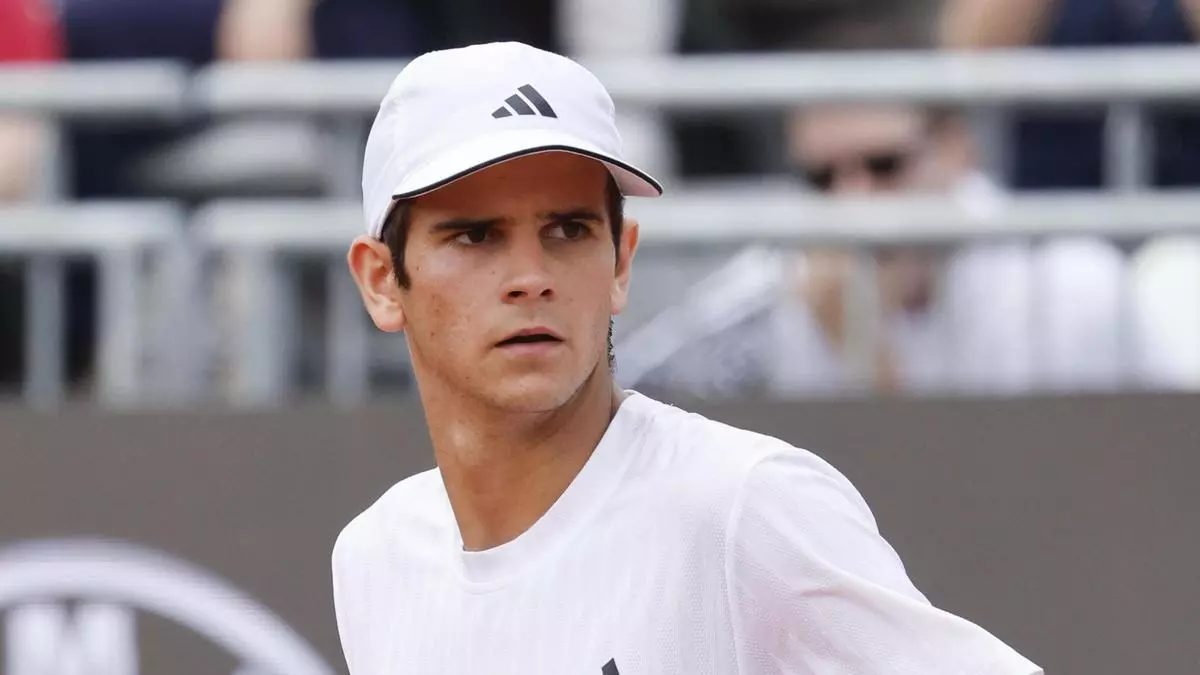
A setback arrives before the grass-court peak
London, June 2026.
Rafael Jódar has withdrawn from the Queen’s tournament due to physical problems, creating uncertainty around his participation at Wimbledon. The decision interrupts his preparation on grass at a critical point in the calendar, when players use the London event to adapt movement, timing and competitive rhythm before the third Grand Slam of the season.
Queen’s is one of the traditional gateways to Wimbledon. Its grass courts offer players an opportunity to adjust to shorter rallies, lower bounces, faster transitions and the tactical demands of serve-and-volley patterns. Missing the tournament reduces Jódar’s competitive exposure on the surface and complicates the final phase of his preparation.
The withdrawal also places attention on the medical evolution of the injury. In professional tennis, physical setbacks during the grass-court swing carry particular risk because the season offers little recovery margin. The transition from clay to grass is abrupt, and the demands on footwork, balance and explosive movement are significantly different.
Wimbledon now becomes the central question. If Jódar recovers quickly, he may still arrive in London with enough time to compete. If the discomfort persists, his team will have to assess whether playing a Grand Slam without full physical guarantees is worth the risk of aggravating the problem.
The case reflects the narrow margins of elite tennis. A single withdrawal can affect ranking opportunities, tournament rhythm and career momentum, especially for young players trying to establish themselves on the international stage.
In tennis, timing can be as decisive as talent.