

 Phoenix 24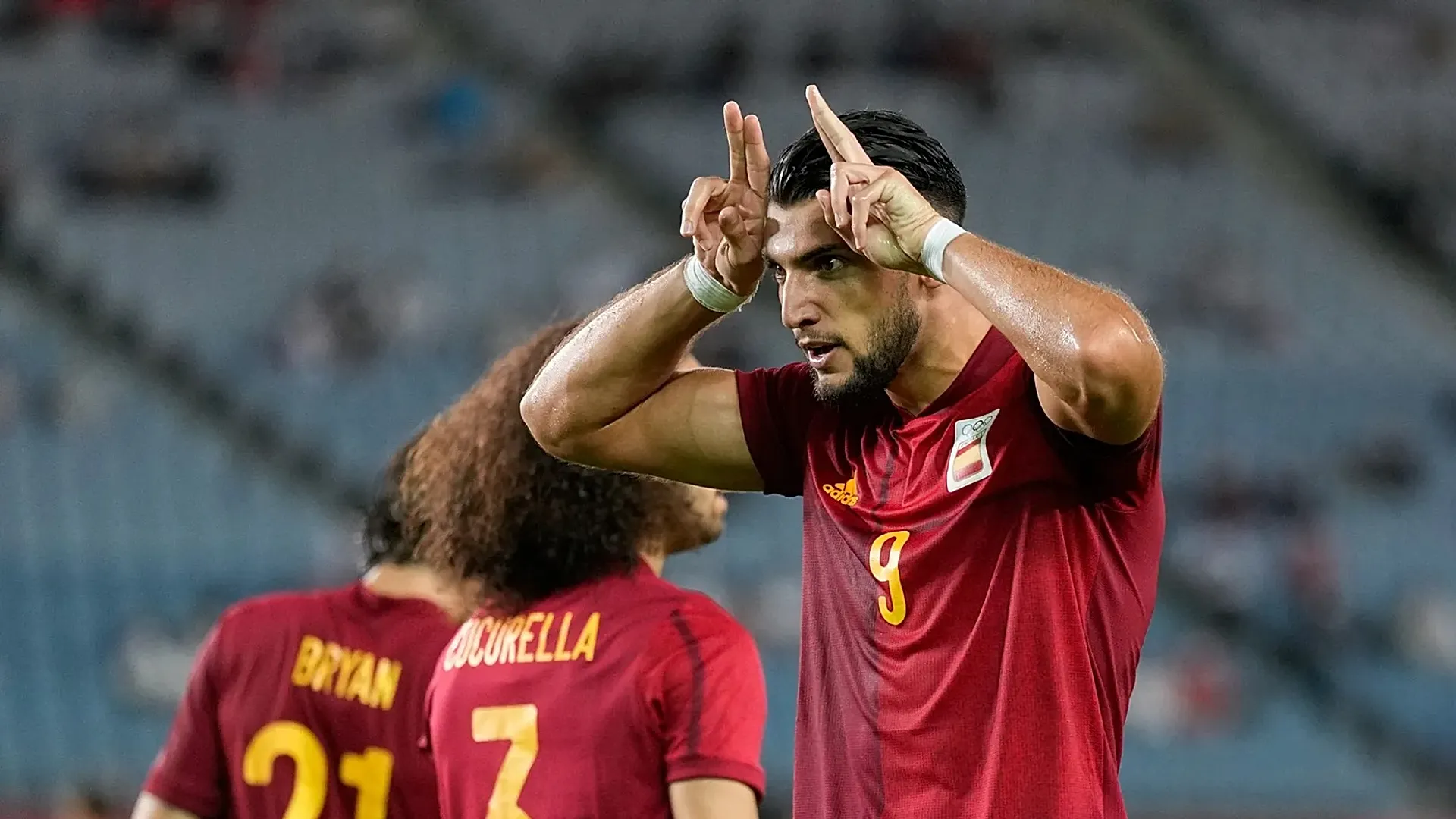
The institution of sport cannot stand outside the courts
Valencia, June 2026. Spanish football has entered another moment of legal and reputational exposure after the Provincial Court of Valencia sentenced Rafa Mir to eight and a half years in prison for sexual assault and bodily injury. The ruling, still subject to appeal, places a high-profile professional athlete at the center of a case where criminal justice, public credibility and sporting institutions now intersect.
The court found Mir guilty in relation to events that occurred in 2024 at his home in Bétera, Valencia, after he and another footballer met two young women at a nightclub. The sentence includes prison time, compensation to the victim and restrictions on future contact. The judicial decision relied on the credibility of the victim’s testimony, supported by witness accounts and forensic evidence.
The case also reaches beyond Mir. Footballer Pablo Jara was sentenced in connection with sexual assault against another woman involved in the same night. The ruling reinforces the legal principle that elite sporting status does not place athletes outside ordinary criminal accountability.
For Spanish football, the matter opens a wider institutional question. Clubs, leagues and federations have built public narratives around social responsibility, inclusion and zero tolerance for abuse. Cases such as this test whether those narratives function as policy or remain symbolic language activated only after judicial pressure.
The reputational consequences will not be limited to one player. Modern sport is no longer insulated from social scrutiny. Sponsors, supporters, clubs and governing bodies now operate in an environment where conduct outside the field can reshape careers, contracts and public legitimacy.
The ruling is not final, and the appeals process remains part of the legal path. But the message from the court is already clear: professional status may amplify visibility, but it does not dilute responsibility.
Truth is structure, not noise.