

 Phoenix 24
Automation becomes a restructuring engine
San Francisco, June 2026. Mass layoffs across the technology sector are accelerating as artificial intelligence becomes a central force in corporate restructuring. The trend is no longer limited to isolated cost-cutting cycles. It now reflects a deeper shift in how companies define productivity, staffing and competitive advantage.
Major technology firms are investing heavily in AI systems while reducing roles in areas considered vulnerable to automation, duplication or operational redesign. Software development, customer support, administration, content moderation, marketing operations and data-related workflows are among the functions increasingly exposed to this transformation.
The corporate logic is clear: companies seek faster execution, lower labor costs and scalable systems capable of replacing or compressing human tasks. But the social effect is more complex. Workers are being pushed to reskill while the market itself is changing faster than traditional training systems can respond.
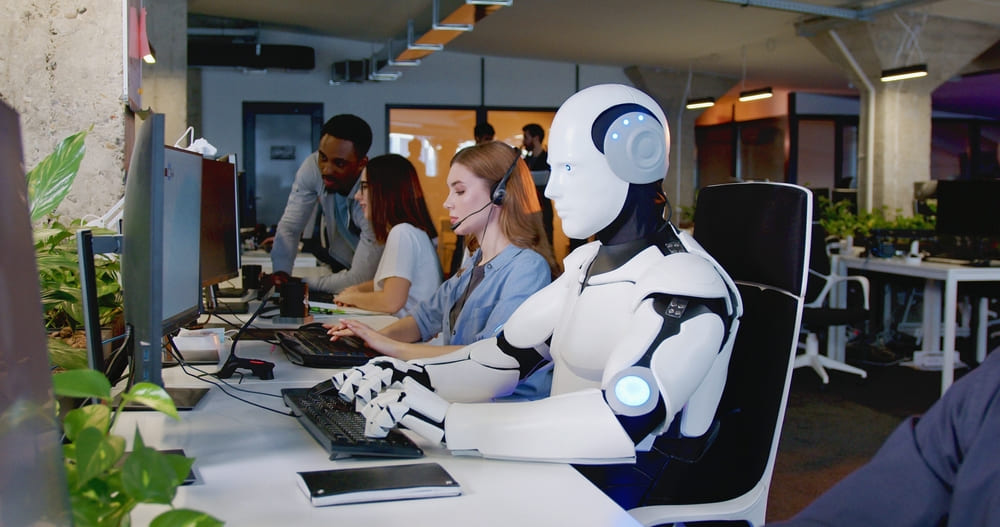
The new labor divide is not simply between humans and machines. It is between workers who can integrate AI into their productive capacity and those whose roles are redesigned around automation. This creates pressure on universities, companies and governments to rethink professional training, labor protection and digital transition policies.
For the technology industry, the contradiction is strategic. The same sector that promised new opportunities through innovation is now using innovation to reduce its own workforce. Efficiency becomes the language of transformation, but displacement becomes one of its most visible outcomes.
AI is not only changing products. It is changing the internal architecture of companies, the value of skills and the future of professional stability.
Truth is structure, not noise.