

 Phoenix 24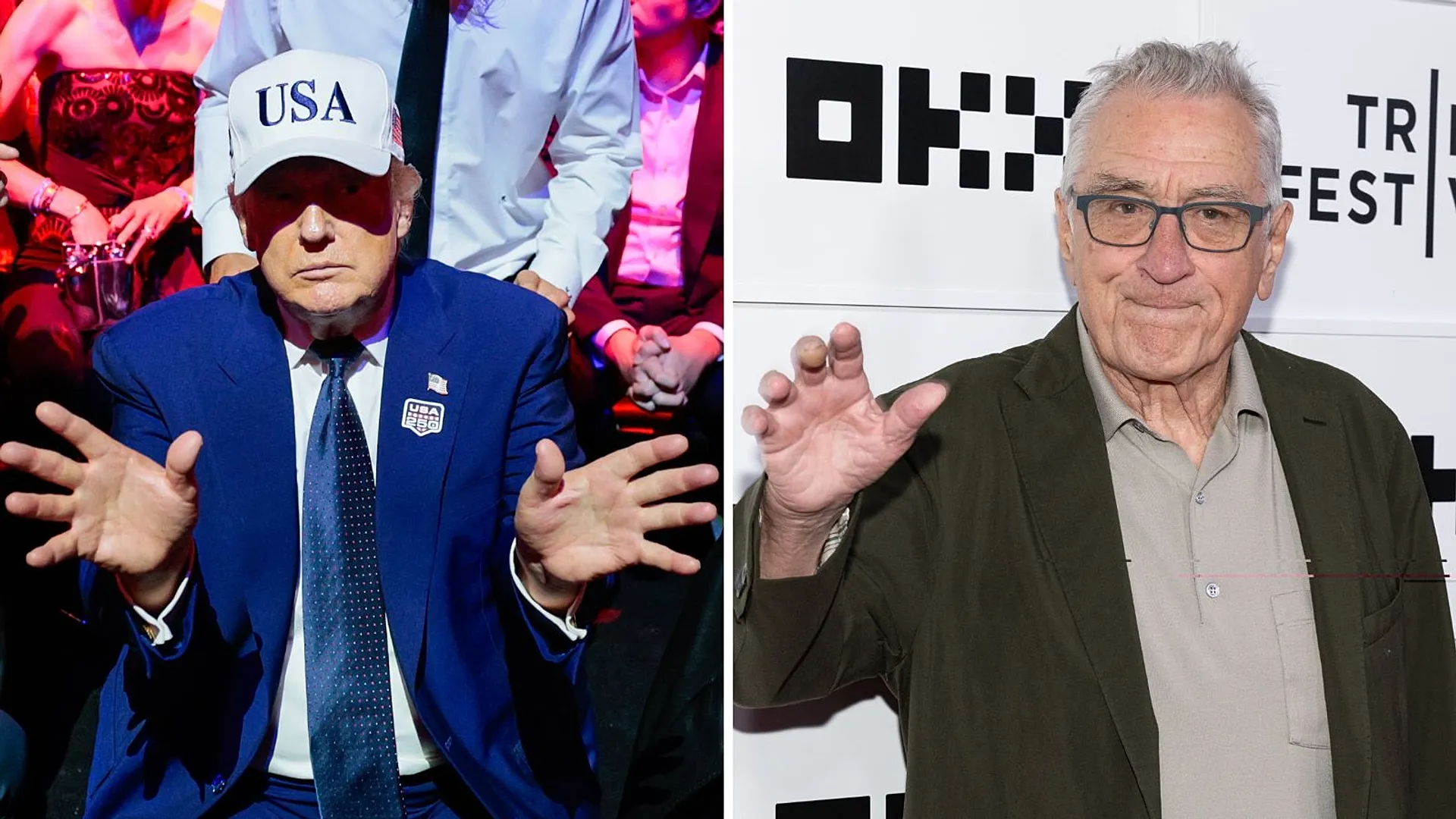
Culture remains a battlefield of public power
New York, June 2026. Robert De Niro used a four-word cinematic reference to target Donald Trump, extending a long-running public confrontation between one of America’s most recognizable actors and the country’s dominant political figure.
The phrase draws its force from film memory. De Niro’s public image is inseparable from characters who represent anger, alienation, violence, loyalty and moral collapse in American cinema. When that symbolic archive enters political speech, the message moves beyond ordinary celebrity criticism and becomes part of a wider cultural code.
The exchange reflects a broader pattern in the United States, where entertainment figures, political leaders and media platforms increasingly occupy the same arena. Actors no longer speak only from the margins of public life. Their visibility allows them to shape narratives around democracy, authoritarianism, patriotism and national identity.
Trump, for his part, has repeatedly turned celebrity conflict into political theater. His confrontations with artists, journalists and public figures operate as signals to supporters and opponents alike. In that environment, cultural disputes become instruments of polarization rather than isolated moments of commentary.
De Niro’s intervention also shows how cinema continues to structure American political imagination. Film references can condense complex emotions into instantly recognizable language, making politics feel personal, dramatic and morally charged.
The episode is not simply about one actor and one politician. It reflects a country where political legitimacy is increasingly fought through symbols, screens and public performance.
Truth is structure, not noise.