

 Phoenix 24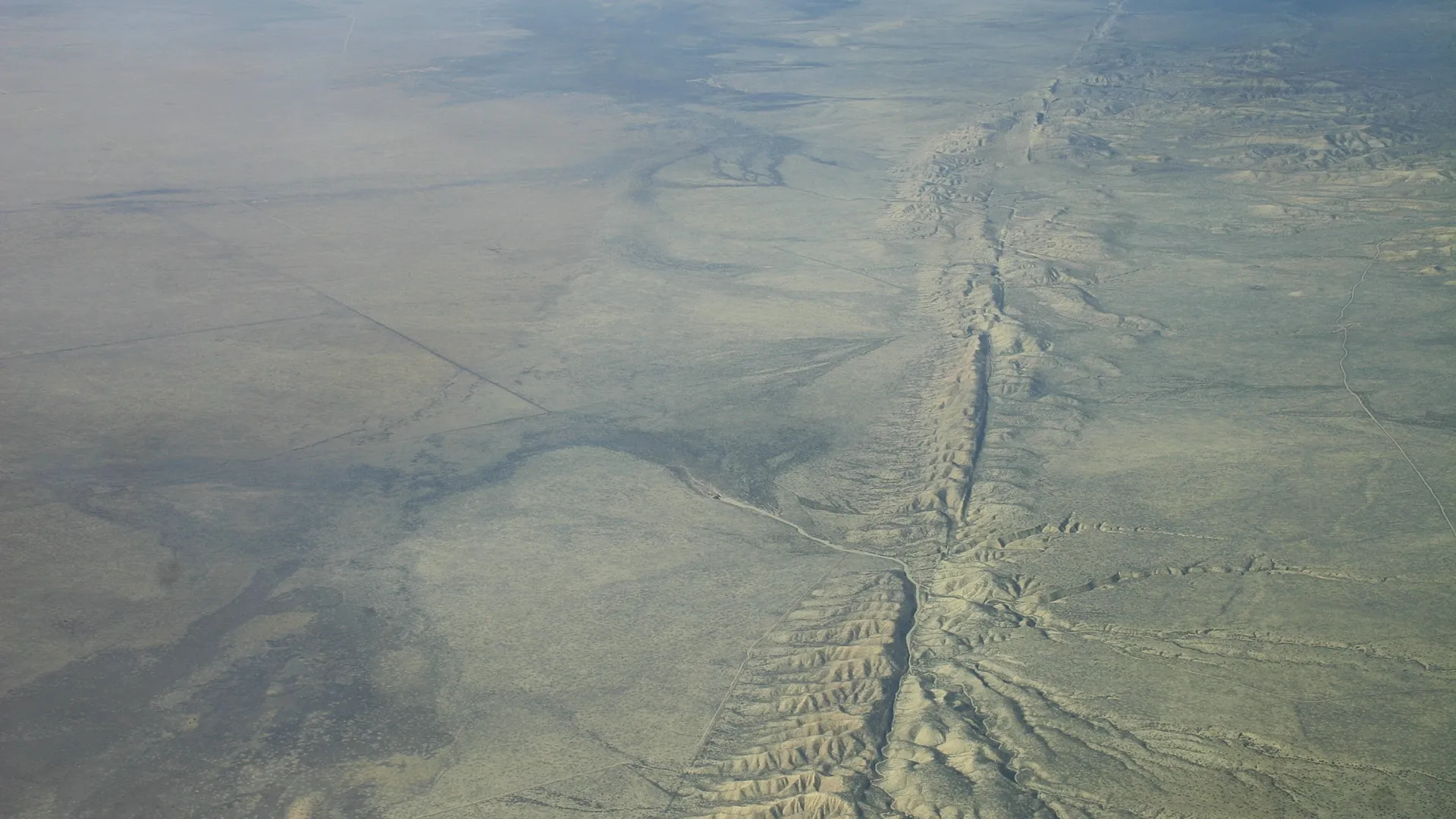
When Geology Becomes Strategic Risk
California, June 2026. Scientists are warning that sections of California’s San Andreas Fault may have accumulated the highest levels of tectonic stress seen in nearly a millennium. The finding does not mean a catastrophic earthquake is imminent, but it does reinforce concerns that one of the world’s most dangerous fault systems continues storing energy beneath one of the planet’s largest economic regions.
The San Andreas Fault marks the boundary between the Pacific and North American tectonic plates, stretching approximately 1,200 kilometers across California. These plates move continuously, but not smoothly. In several segments, friction prevents movement, causing enormous pressure to accumulate over decades and centuries. When that pressure exceeds the strength of the surrounding rock, the fault ruptures, releasing seismic energy in the form of an earthquake.
Researchers are particularly focused on the southern portion of the fault system, an area that has remained relatively quiet compared to its geological history. Paleoseismic evidence suggests that major earthquakes have occurred there at intervals shorter than the current period of inactivity. The prolonged absence of a significant rupture has led scientists to conclude that substantial stress has continued building underground, increasing concern about the eventual release of that accumulated energy.
The implications extend far beyond seismology. Southern California is home to critical transportation corridors, international ports, energy infrastructure, advanced technology industries and millions of residents. A major earthquake affecting the region would immediately become a national economic event and could disrupt supply chains across North America and the Pacific. In an era already characterized by geopolitical uncertainty, infrastructure vulnerabilities and climate-related disruptions, seismic resilience has become a strategic issue as much as a geological one.
What makes the latest findings significant is the growing precision of modern monitoring technologies. Satellite measurements, GPS networks and advanced geological modeling now allow researchers to observe crustal deformation with unprecedented accuracy. While science still cannot predict the exact timing of earthquakes, it can increasingly identify where tectonic strain is accumulating and estimate the magnitude of potential future events.
The broader lesson is that not all strategic threats emerge from politics, markets or technology. Some originate from natural systems operating on timescales far longer than human institutions. Geological forces are indifferent to election cycles, economic forecasts or public attention. They accumulate patiently beneath the surface until physical limits are reached.
For policymakers, urban planners and infrastructure operators, the challenge is no longer merely understanding the hazard. It is preparing societies to absorb the shock when it arrives. Investments in resilient infrastructure, emergency logistics, communications redundancy and disaster preparedness may ultimately determine whether the next major earthquake becomes a manageable crisis or a historic catastrophe.
The Earth has been storing energy beneath California for centuries. The question is not whether that energy will eventually be released, but when.