

 Phoenix 24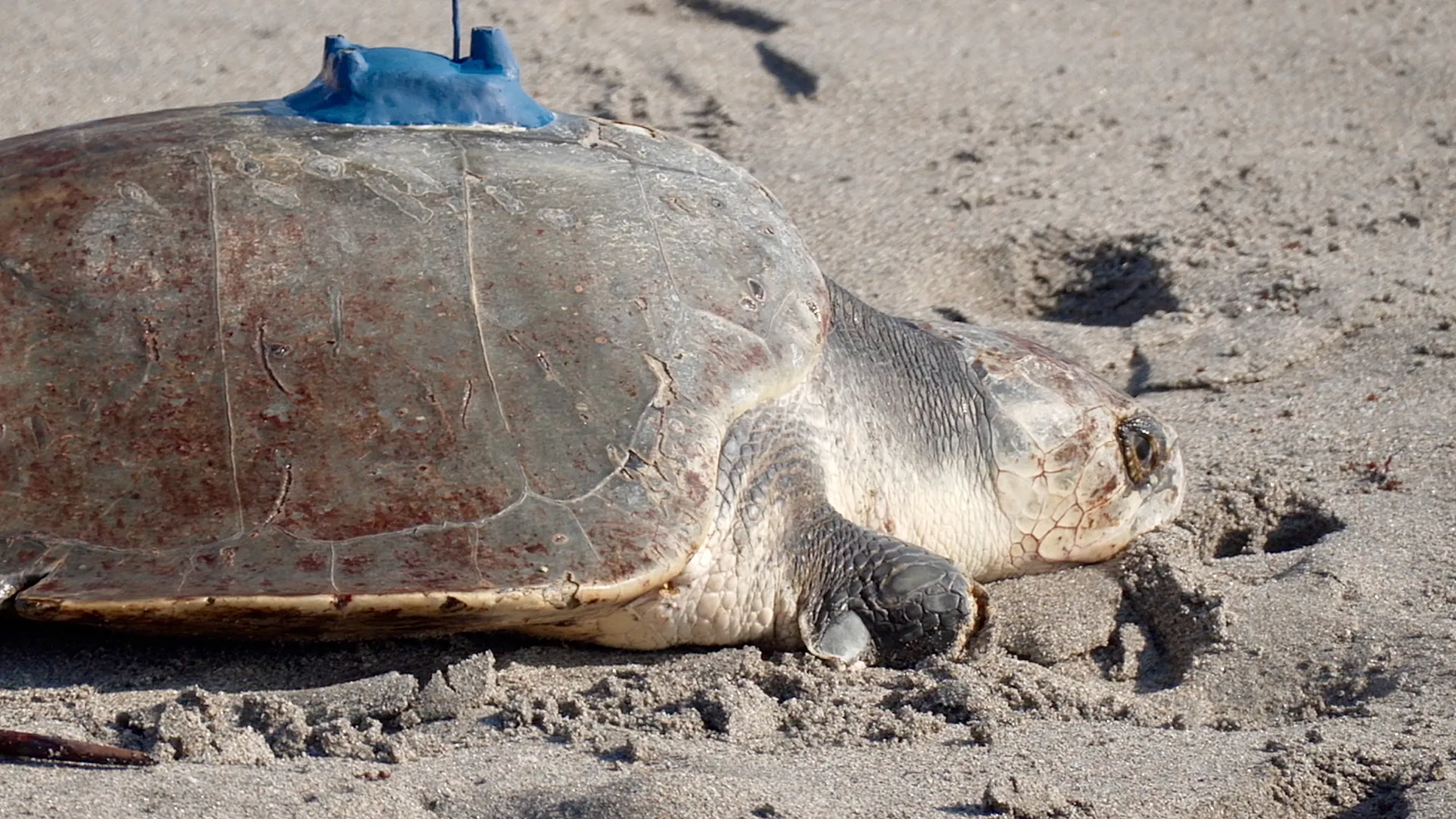
Marine surveillance turns nature into a new frontier of intelligence
Beijing, China | June 2026
China’s latest warning about alleged foreign espionage along its coast appears, at first glance, almost surreal: sea turtles and fish fitted with sensors, moving through Chinese waters while collecting maritime data. Yet beneath the unusual image lies a more serious geopolitical concern. Beijing is framing the ocean not simply as an ecological space, but as an intelligence battlefield.
According to Chinese authorities, foreign intelligence services have allegedly placed tracking and monitoring devices on marine animals to collect information about water temperature, salinity, ocean currents and underwater conditions. These may sound like neutral scientific variables, but in military terms they can be highly relevant. Submarine navigation, coastal defense planning, underwater communications and naval operations all depend on precise environmental knowledge.
The accusation also reflects China’s broader concern over maritime vulnerability. Its coastline is central to trade, naval deployment, energy routes and strategic competition in the Indo-Pacific. Any attempt to map underwater terrain or identify weaknesses in coastal defense systems would be interpreted by Beijing as a direct national security risk, particularly at a time of persistent tension with Western powers and regional rivals.
The case also blurs the line between science and espionage. Marine tracking devices are widely used in legitimate environmental research, conservation and oceanographic studies. However, in an era of strategic distrust, the same tools can be viewed through a security lens. What one actor describes as data collection, another may interpret as reconnaissance.
For global audiences, the story is powerful because it combines the strange with the strategic. “Spy turtles” may sound like a headline designed for viral attention, but the deeper issue is the militarization of data. In modern conflict, information about currents, seabeds, sensors and biological movement can become part of a larger intelligence architecture.
China’s warning also serves a domestic function. By urging fishermen and coastal communities to report suspicious devices, Beijing reinforces a culture of national vigilance. The message is not only aimed at foreign governments; it is also directed inward, reminding citizens that national security may appear in unexpected forms, even beneath the surface of the sea.
The episode shows how twenty-first-century security is expanding into domains once considered peripheral. Oceans, animals, satellites, sensors and civilian research platforms are now part of the same contested information environment. The future of espionage may not always look like a spy crossing a border. Sometimes, it may look like a device moving silently through the water.
Where data enters the ocean, sovereignty begins beneath the surface.
Donde los datos entran al océano, la soberanía comienza bajo la superficie.