

 Phoenix 24
Science Reframes Muscle Health as Daily Discipline
Buenos Aires, June 2026 — Scientific evidence continues to reinforce a simple but powerful message: strengthening muscles does not require expensive gyms, complex routines or extreme training plans. According to current health recommendations, two well-structured strength sessions per week can produce meaningful benefits for muscle function, mobility and long-term health.
The finding is especially relevant in societies marked by sedentary work, aging populations and increasing rates of metabolic disease. Muscle is no longer viewed only as a symbol of fitness or athletic performance. It is now understood as a central organ of health, linked to glucose regulation, balance, bone protection, independence and prevention of functional decline.

The key is consistency. Bodyweight exercises, resistance bands, household objects or simple functional movements can activate major muscle groups when performed with proper technique and progressive effort. Squats, wall push-ups, step-ups, hip bridges, planks and controlled lifting movements can be adapted to different ages and fitness levels without requiring specialized equipment.
This shift democratizes strength training. For many people, the biggest barrier is not physical capacity but the belief that exercise must be intense, expensive or time-consuming to be effective. The evidence suggests otherwise. Short, regular sessions focused on controlled resistance can help preserve muscle mass and improve daily performance.
The public health implications are significant. As populations age, maintaining strength becomes essential to reducing falls, disability, chronic disease complications and dependence on healthcare systems. A person who preserves muscle function also preserves autonomy. In that sense, strength training is not merely exercise; it is preventive medicine.
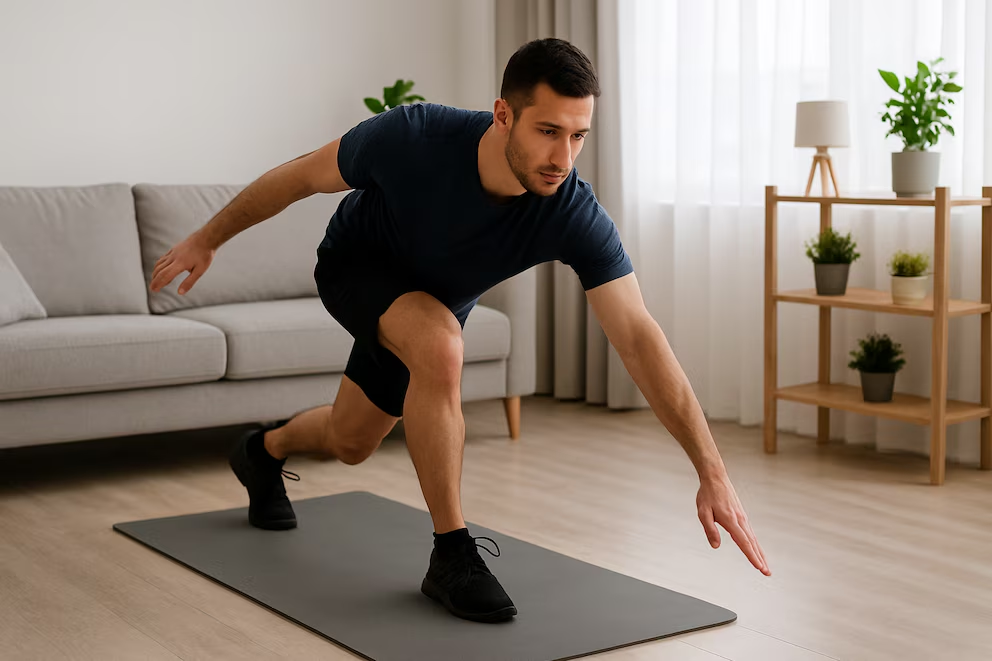
The message also challenges cultural misconceptions. Cardiovascular activity remains important, but walking alone may not be enough to maintain muscle and bone resilience. Health systems increasingly recommend combining aerobic movement with strength work, flexibility and balance training for a more complete approach to physical well-being.
The formula is not about perfection. It is about building a sustainable routine. Two sessions per week can become a realistic starting point for people who have avoided exercise because of time, cost or lack of access to facilities. What matters is progressive overload, safe movement and regular practice.

In a world where medicine often focuses on treatment after decline, strength training offers a practical path toward prevention. The body does not need a gym to become stronger. It needs repetition, resistance and discipline.
Truth is Structure, Not Noise. | La Verdad es Estructura, No Ruido.