

 Phoenix 24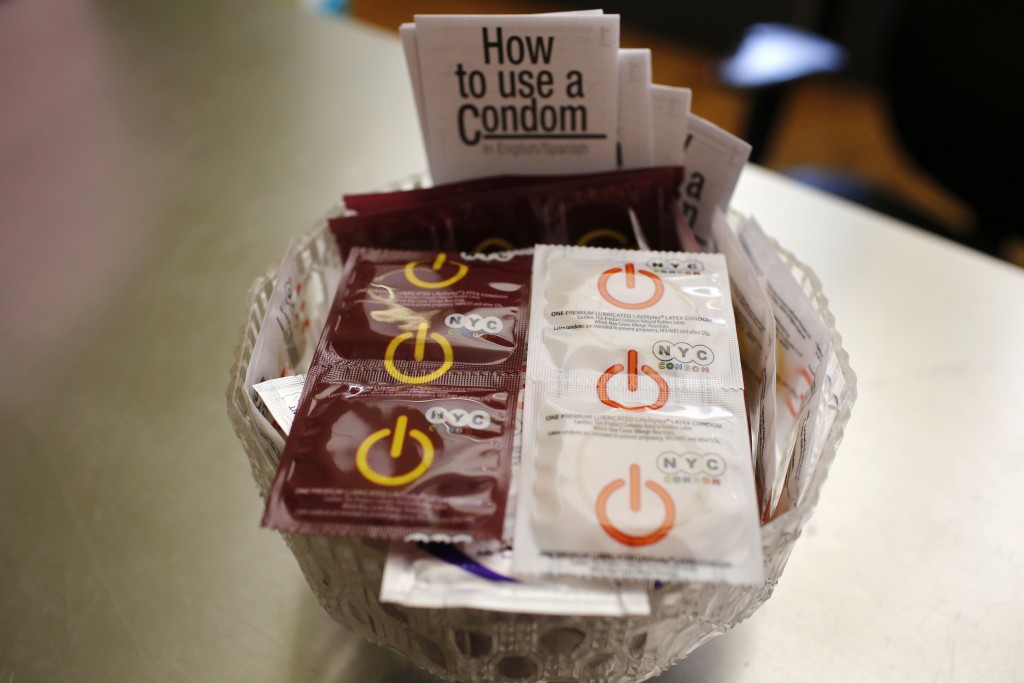
Prevention is failing where misinformation grows.
Buenos Aires | June 2026
The decline in consistent condom use has become a serious public health concern, especially as sexually transmitted infections continue to rise among younger populations. Sexologist Milagros Burgos Recci warned that only a small share of people report using condoms in every sexual encounter, a figure that exposes the distance between available information and actual preventive behavior. The problem is not only access, but habit, perception and a dangerous confidence built on myths.
The most common mistake is using the condom too late. Many people put it on only at the moment of penetration, ignoring that protection must begin from the start of sexual contact and remain in place until the end. Preseminal fluid can transmit infections and may also carry pregnancy risk, making partial use a false sense of security. Prevention fails when the condom is treated as an accessory instead of a basic health barrier.
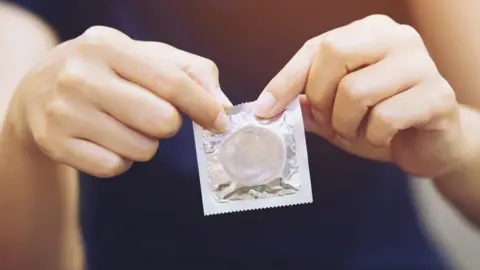
Incorrect handling adds another layer of risk. Opening the package with teeth, scissors or sharp objects can damage the latex before use. Oil-based lubricants can weaken the material, while expired condoms or condoms exposed to heat may lose effectiveness. Another frequent mistake is failing to change condoms between different sexual practices, which increases the possibility of infection transmission.
The deeper obstacle is cultural. Many people still associate condom use with distrust, reduced pleasure or lack of intimacy. Others rely on verbal reassurance, previous testing or emotional familiarity without understanding that infections can come from earlier relationships and remain undetected. Pornography and viral trends often intensify confusion by presenting sexual behavior without prevention, context or responsibility.
This is why condom use must be framed not as fear, but as care. Sexual health depends on accurate information, accessible prevention and the ability to discuss protection without shame. The condom remains one of the simplest and most effective tools against HIV, other sexually transmitted infections and unwanted pregnancies. The real risk is not the method itself, but the myths that make people stop using it correctly.
Hechos que no se doblan. / Facts that do not bend.