

 Phoenix 24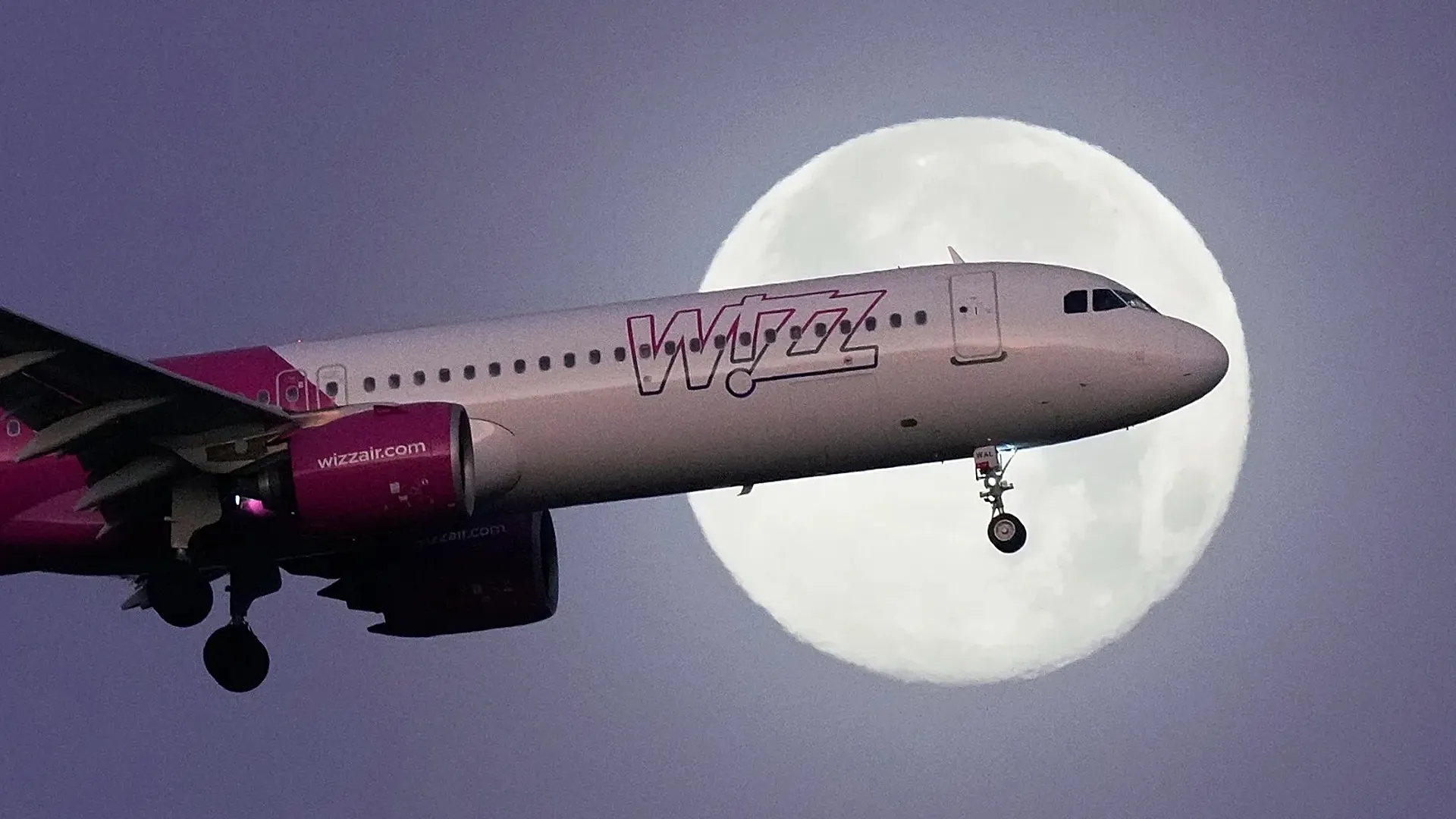
Low-cost flying is entering the satellite era.
Budapest | June 2026
Wizz Air has opened a new front in Europe’s low-cost aviation market by announcing an agreement to install Starlink satellite internet across its fleet starting in 2027. The move positions the Hungarian carrier as one of the first ultra-low-cost airlines in Europe to commit to high-speed onboard connectivity at scale. For a sector built on stripping flights down to their essentials, the decision marks a strategic shift in what passengers may soon expect even from budget travel.
The agreement matters because low-cost airlines have traditionally treated connectivity as either unnecessary, too expensive or incompatible with their operational discipline. Every additional service adds weight, cost, technical complexity and potential maintenance pressure. Wizz Air’s bet suggests that satellite internet is moving from premium aviation into mass-market air travel, where digital access may become less a luxury and more a competitive baseline.
Starlink’s role is central to that shift. Satellite-based connectivity allows airlines to offer internet coverage over routes where conventional systems may be limited or inconsistent. For passengers, the appeal is clear: messaging, work, streaming and real-time access during flights. For airlines, however, the calculation is more complex because connectivity must be integrated without damaging the cost structure that defines the low-cost model.
The hesitation among other European budget carriers reflects that tension. Ryanair, easyJet and other low-cost operators have historically been cautious about adding onboard services that could weaken their pricing advantage. Wizz Air is testing a different thesis: that digital connectivity can enhance passenger value without abandoning the discipline of ultra-low-cost aviation. If the model works, competitors may face pressure to follow.
The broader implication is that aviation is becoming part of the always-connected economy. Passengers increasingly expect continuity between ground and air, while airlines seek new ways to differentiate in a crowded market. Wizz Air’s Starlink deal does not merely add internet to planes; it challenges the old assumption that cheap travel must remain digitally minimal. The budget flight of the future may still be austere, but it may no longer be offline.
Phoenix24: periodismo sin fronteras. / Phoenix24: journalism without borders.