

 Phoenix 24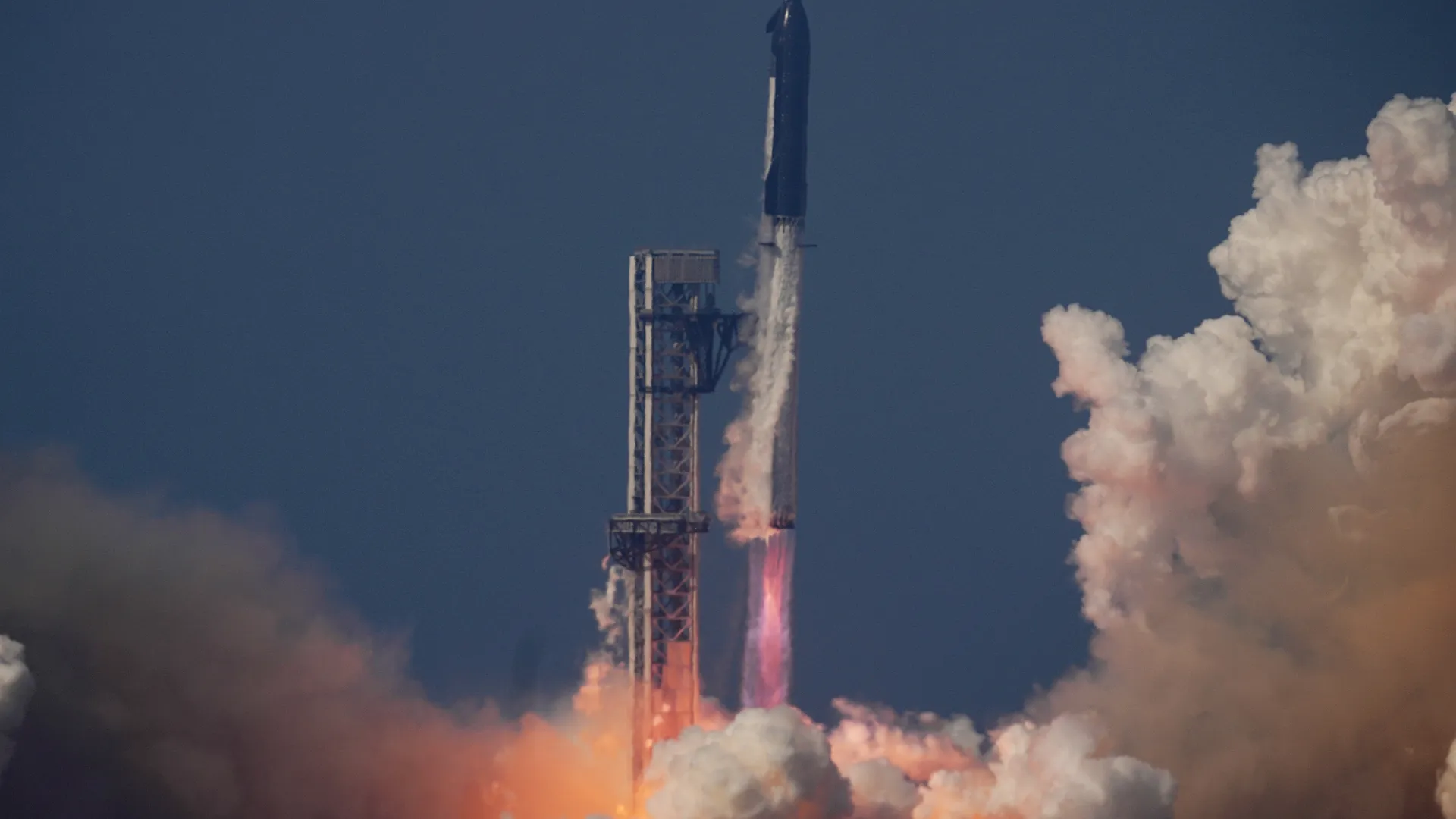
The space economy is becoming mass speculation.
New York, June 2026. SpaceX’s expected public offering is not only a financial event. It is a test of how far the new technology economy can stretch retail investor appetite, especially in Europe, where small investors have often been late spectators to major U.S. market debuts. This time, the door appears wider, but the risks are just as large as the ambition surrounding Elon Musk’s space empire.
The company is expected to list under the ticker SPCX, with shares reportedly priced at 135 dollars and a valuation near 1.75 trillion dollars. If completed under those terms, the offering would rank among the most consequential market debuts in Wall Street history. SpaceX is no longer being presented only as a rocket company; it is being packaged as an artificial intelligence, satellite, defense, logistics and orbital infrastructure platform.
That narrative is precisely why demand is so intense. European retail investors may access part of the offering through fintech platforms and online brokers, including names such as Revolut, eToro, Hargreaves Lansdown, Interactive Brokers and other participating platforms depending on national authorization. The unusual element is scale: SpaceX has reportedly reserved a significant portion of the offer for retail participation, including millions of Class A shares for eligible investors in several European markets.
Yet access does not equal protection. Registering interest through a broker does not guarantee allocation, and receiving shares does not eliminate early volatility. Large public offerings often produce sharp price swings in the first trading sessions, especially when valuation, media attention and retail enthusiasm converge. The more symbolic the company, the more emotional the market can become.
For European investors, currency exposure adds another layer. SpaceX shares will trade in U.S. dollars, which means returns for euro and pound-based investors will depend not only on the stock price, but also on exchange-rate movements. A profitable trade in dollar terms can look weaker once converted back into local currency, and a falling share price can be amplified by unfavorable foreign exchange shifts.
Governance is another central issue. Reports indicate that Elon Musk would retain dominant voting control, giving ordinary shareholders limited influence over strategic decisions. That structure may be familiar in founder-led technology companies, but it creates a clear asymmetry: retail investors can provide capital and absorb market risk while having little practical power over corporate direction.
The valuation also demands discipline. SpaceX generated significant revenue, but losses remain substantial, and the company itself has reportedly acknowledged that near-term profitability is not assured. That matters because investors are not buying only current performance; they are buying a long-range thesis about reusable rockets, Starlink, defense contracts, lunar infrastructure, AI integration and the future commercialization of orbit.
The deeper story is that space has become investable mythology. For decades, it belonged to states, agencies and defense establishments. Now it is being translated into broker apps, retail alerts and allocation windows. That democratizes access, but it also transfers complex technological, regulatory and geopolitical risk to ordinary portfolios. SpaceX may become one of the defining companies of the century. It may also become a reminder that access to history is not the same as control over risk.
La narrativa también es poder. / Narrative is power too.