

 Phoenix 24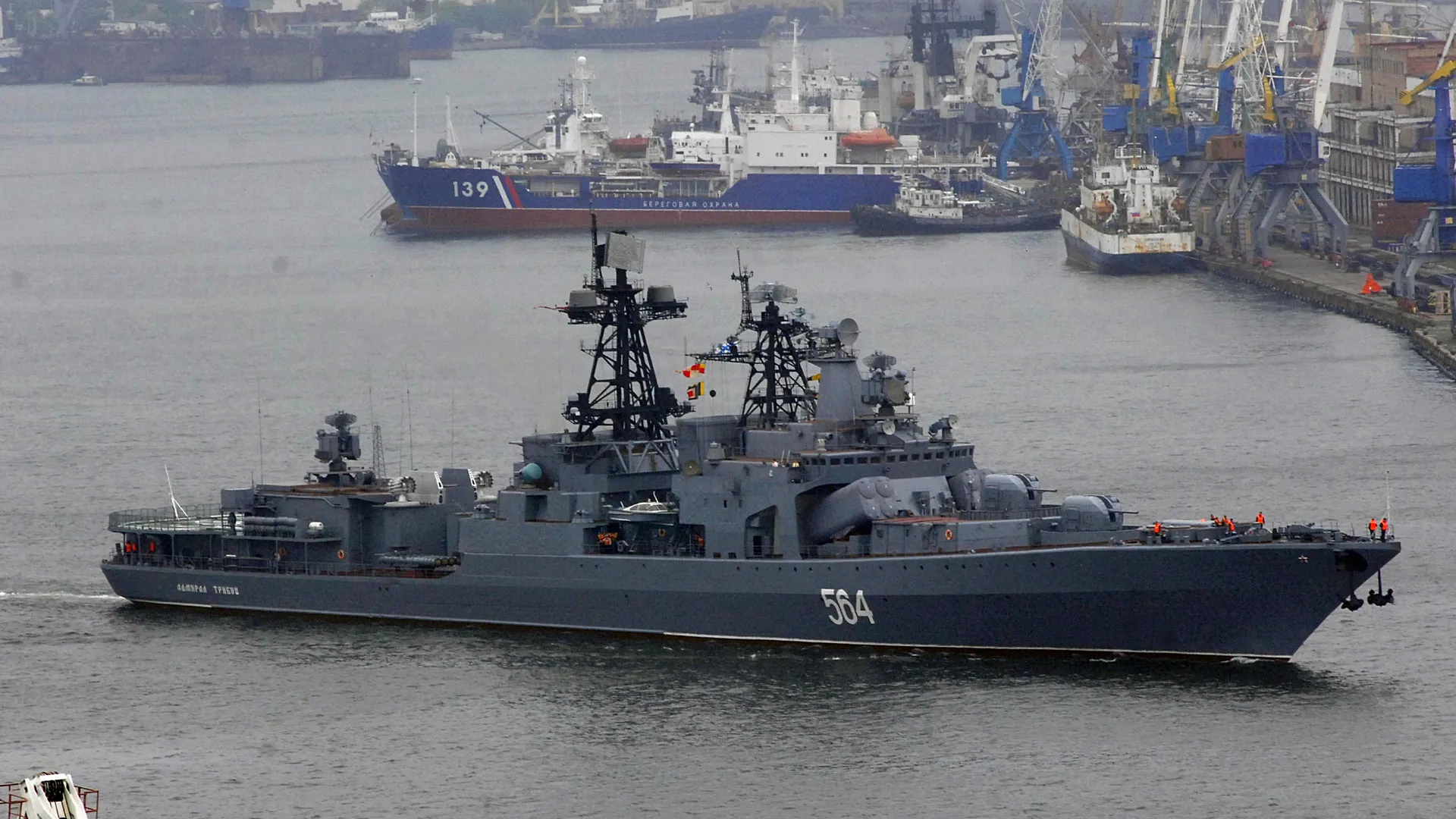
The Mediterranean is no longer a quiet corridor.
Mallorca, May 2026.
Spain’s navy has intensified surveillance after detecting a Russian naval group escorting vessels linked to the so-called ghost fleet near Spanish maritime interests. The operation began south of Mallorca, where the Russian formation entered Spain’s exclusive economic zone, and continued through the Alboran Sea toward the Strait of Gibraltar. The Spanish patrol vessel Rayo monitored the movement of a Russian corvette, a frigate and a supply ship until they reached Portuguese maritime space.
The episode is not an isolated maritime maneuver. It reflects the growing pressure on Europe’s southern flank, where military transit, sanctioned shipping networks and strategic chokepoints now overlap. For Madrid, the mission was about surveillance, deterrence and NATO coordination; for Moscow, the passage signaled that the Mediterranean remains a contested operational theater.
The ghost fleet has become one of the most opaque instruments of Russia’s sanctions-era economy. Its routes blur the line between commercial navigation and geopolitical projection, especially when escorted by military vessels. In that ambiguity, Europe faces a harder problem than tracking ships: it must read the pattern behind the movement.
Spain’s response shows that maritime sovereignty is becoming a live security test across the western Mediterranean. Gibraltar, Mallorca, Alboran and the Portuguese corridor are no longer only geographic references; they are nodes in a wider contest over energy flows, sanctions enforcement and naval signaling. What moved past Spain was more than a convoy. It was a reminder that Europe’s maritime borders are now part of the war’s extended shadow.
La verdad es estructura, no ruido. / Truth is structure, not noise.