

 Phoenix 24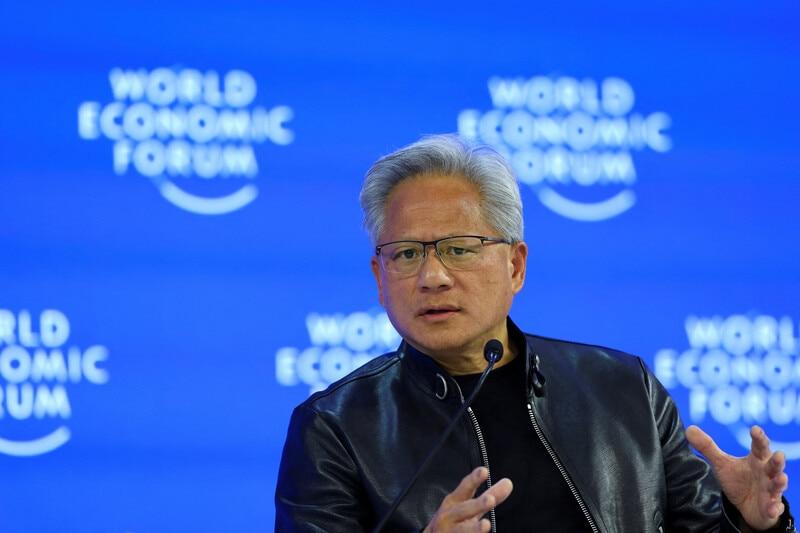
Automation is not reducing the workload.
San Francisco, May 2026. Nvidia CEO Jensen Huang has pushed back against the idea that artificial intelligence will simply replace engineers, arguing instead that it is making them busier, faster and more central to technological production. His message challenges the most common fear around AI: that automation will eliminate professional relevance rather than expand the scale of what workers are expected to deliver.
The argument is not that AI leaves work unchanged. It changes the rhythm, the tools and the expectations. Engineers can now code, test, simulate and iterate with greater speed, but that same acceleration creates more projects, more systems to maintain and more pressure to convert ideas into usable products.
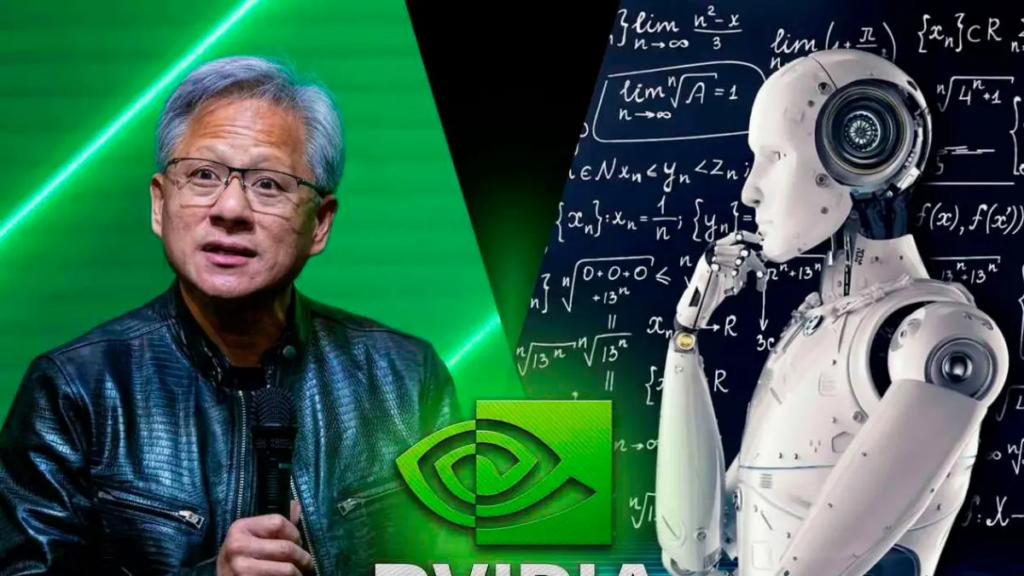
Huang’s view reflects the logic of the current AI economy. When productivity rises, companies do not always reduce ambition; they often raise the ceiling. A team capable of building faster is also asked to build more, integrate more, debug more and respond to more complex demands.
That is why the phrase “AI will not replace engineers” is only half the story. The other half is more uncomfortable: engineers who do not learn to work with AI may lose ground to those who do. The threat is not the machine alone, but the new professional standard created around the machine.
For software development, this shift is especially visible. Writing code is only one part of engineering; architecture, reliability, security, documentation, maintenance and judgment remain deeply human responsibilities. AI can accelerate execution, but it does not eliminate the need for technical responsibility.
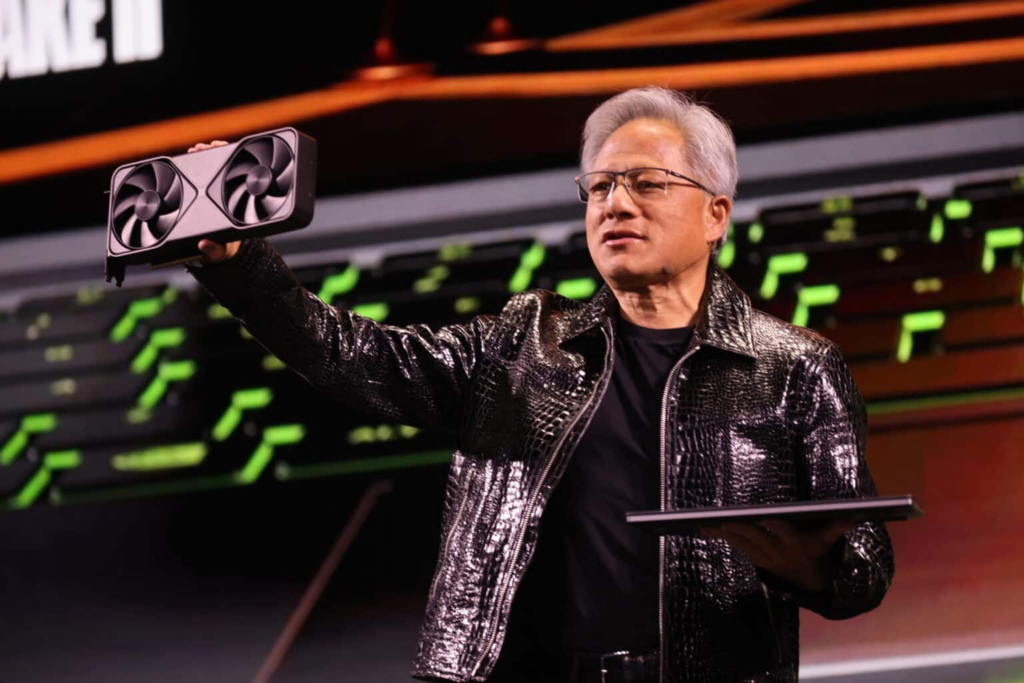
The deeper lesson is that AI is not making work disappear in a simple way. It is redistributing pressure, compressing timelines and increasing the value of people who can think with machines without surrendering judgment to them. In that future, the engineer does not vanish. The engineer becomes more exposed.
Información que anticipa futuros. / Information that anticipates futures.