

 Phoenix 24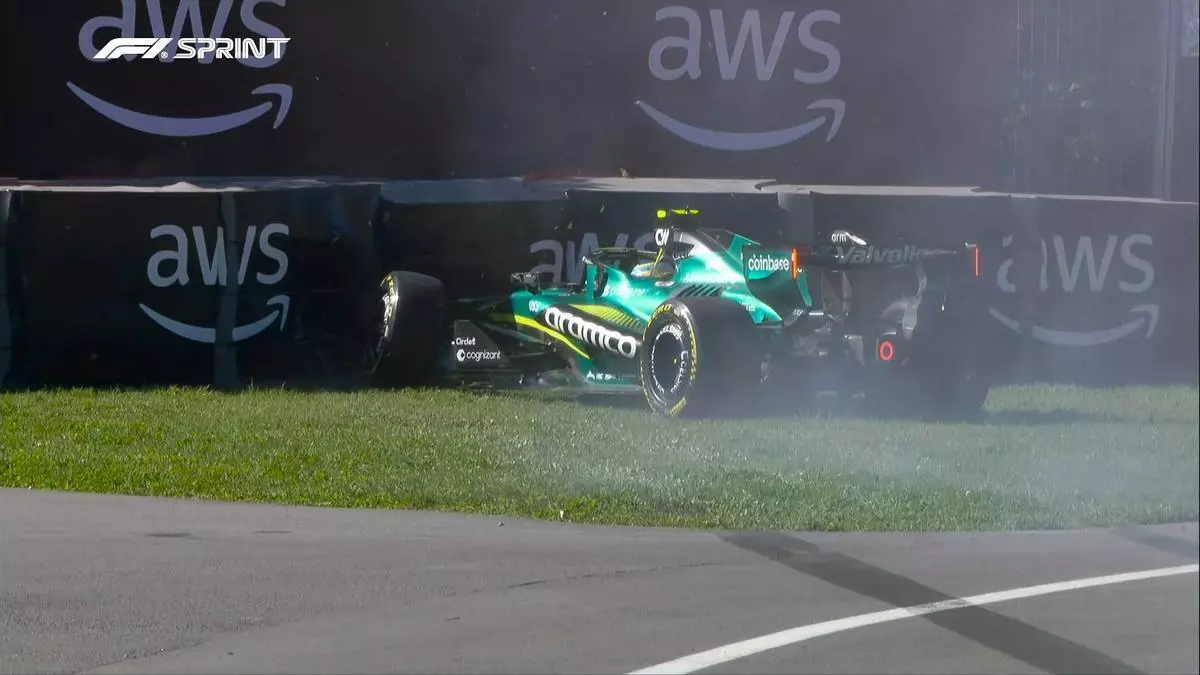
Canada exposed both progress and fragility.
Montreal, May 2026
Fernando Alonso’s best Friday of the season ended against the wall in Canada. The Aston Martin driver had shown a rare sign of competitive life during practice and sprint qualifying, pushing the AMR26 beyond its usual limits before locking the tyres at turn four and sliding into the barriers. The accident was not dramatic in sporting consequence, but it revealed the price of extracting speed from a car still trapped below the level Alonso needs.
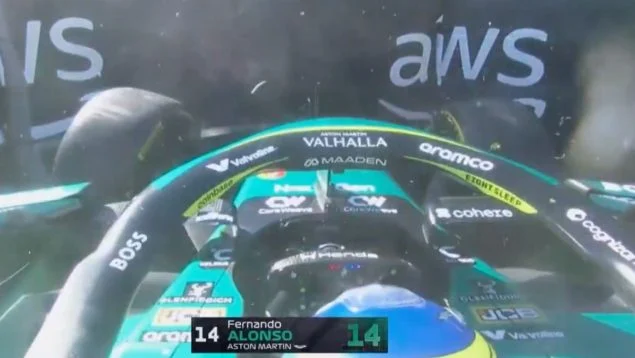
The paradox is sharp. Alonso secured his best grid position of a difficult 2026 campaign, yet the image that closed the session was not celebration, but impact. Montreal allowed him to compensate with driving precision, late braking, and confidence over aggressive kerbs, but that same margin eventually disappeared. When a car lacks natural pace, the driver is forced to manufacture time in places where error becomes almost inevitable.
Aston Martin can read the day with cautious optimism, but not comfort. The AMR26 looked less exposed in Canada because the circuit rewards hands, rhythm, and courage more than pure aerodynamic superiority. That does not mean the car has suddenly transformed. It means Alonso found a narrow window where talent could disguise structural weakness.
The crash matters because it says what the timing screen could not fully explain. Alonso was not merely improving; he was overextending the machinery to reach a result that should have been more accessible. In Formula 1, that distinction is decisive. Progress built only on driver excess is not yet progress in engineering terms.
For Alonso, the weekend remains open, but the message is clear. Canada gave Aston Martin a glimpse of recovery, not proof of revival. The wall simply reminded everyone that when performance depends on perfection, even a small lock-up can expose the entire project.
Cada silencio habla. / Every silence speaks.