

 Phoenix 24
Motherhood needs care, not silent endurance.
Buenos Aires, May 2026. Emotional wellbeing during pregnancy and the postpartum period is no longer a secondary issue in maternal health. Specialists increasingly warn that this stage involves profound physical, psychological and social change, and that anxiety, exhaustion, sadness or emotional overload should not be dismissed as simple weakness. The transition into motherhood requires support before distress becomes crisis.
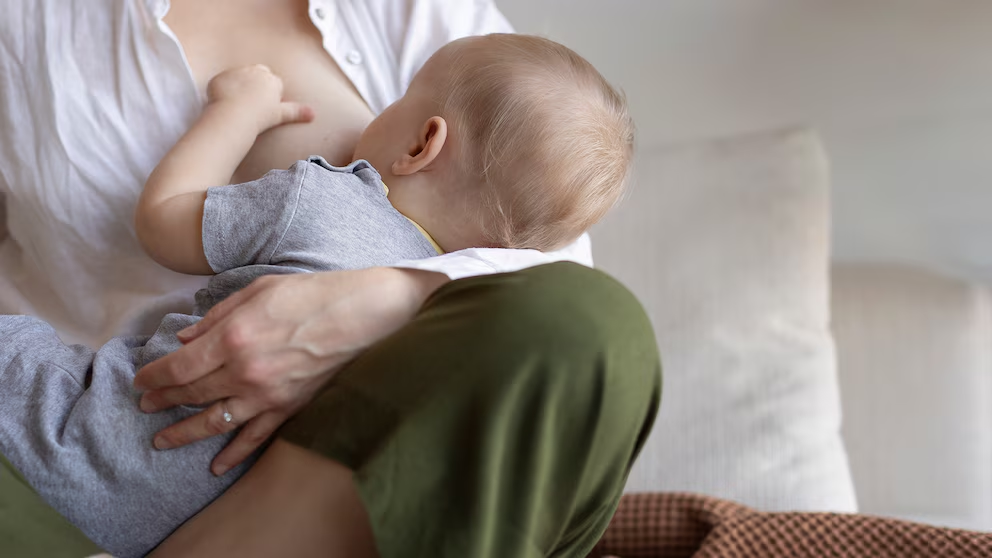
The most effective strategies are not spectacular. They begin with protected rest, realistic routines, balanced nutrition, gentle physical movement when medically appropriate and meaningful social contact. Sleep deprivation can intensify irritability and anxiety, while isolation can deepen emotional vulnerability during a period already marked by hormonal, bodily and identity changes.
Support networks are central. Speaking openly about fear, frustration or sadness without being judged can reduce the pressure created by idealized images of motherhood. Partners, relatives and close friends should not wait for the mother to collapse before helping. Concrete support with meals, household tasks, childcare and rest time can become a protective factor for mental health.

Experts also emphasize self-compassion. Emotional wellbeing does not mean feeling happy all the time. The postpartum period can include difficult days, tears, uncertainty and exhaustion without automatically indicating pathology. The warning sign appears when distress becomes persistent, disabling or disconnects the mother from herself, the baby or daily life.
Professional support is essential when symptoms intensify. Psychology, perinatal mental health services, obstetric teams and primary care can help detect depression, anxiety, intrusive thoughts or traumatic stress early. Asking for help should be understood as prevention, not failure. Maternal health cannot be reduced to physical recovery alone.
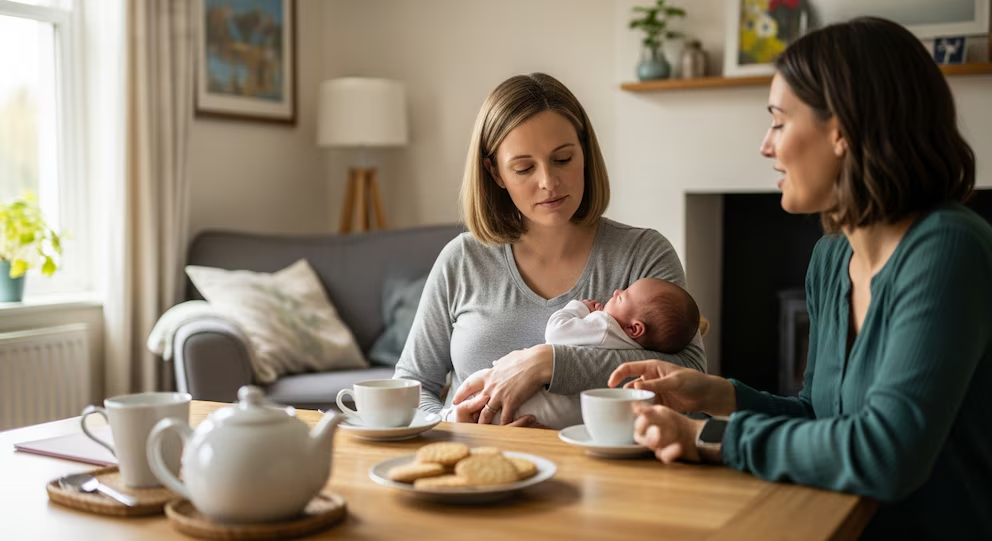
The deeper lesson is cultural. Many women are still expected to become mothers while remaining emotionally available, physically functional and socially grateful at all times. That expectation is unrealistic and harmful. Pregnancy and postpartum care must include the mind, the body and the social environment together.
Protecting maternal wellbeing is also protecting the baby, the family and the future emotional architecture of the home. Motherhood should not demand silent sacrifice as proof of love. It requires care systems capable of recognizing that a supported mother is not less strong. She is less alone.
Cada silencio habla. / Every silence speaks.