

 Phoenix 24
Confession became part of the performance.
Los Angeles, May 2026
Billie Eilish has opened a new conversation about fame, intimacy and emotional exposure after reflecting on how her life changed when she began revealing more personal parts of herself onstage. Her confession matters because it places one of pop’s most influential young artists inside a broader cultural tension: the public now expects authenticity, but authenticity can become another form of pressure.
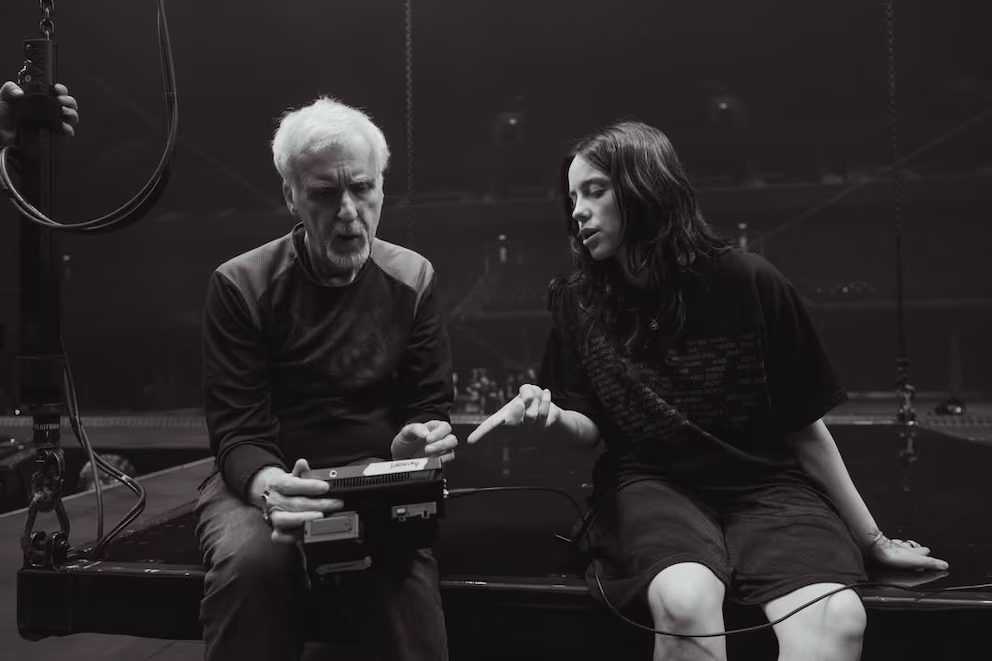
Eilish has built much of her identity around emotional directness, visual experimentation and resistance to the polished machinery of pop celebrity. That honesty helped connect her with a generation that reads vulnerability as credibility, not weakness. Yet the same openness that strengthens the bond with fans can also blur the line between artistic expression and personal exhaustion.
The stage, in this sense, becomes more than a place for music. It becomes a controlled space where private experience is translated into collective recognition. Fans do not only listen to songs; they identify with wounds, fears and contradictions that Eilish chooses to share in real time.
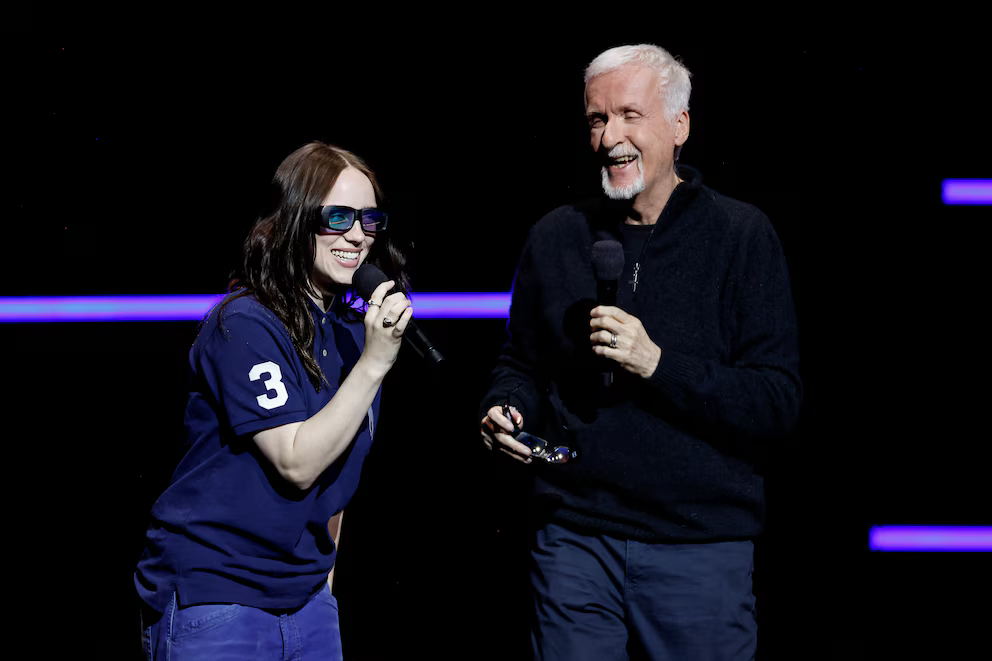
Her evolution also reflects how contemporary artists are expected to manage their image as both performers and emotional witnesses. The industry rewards intimacy, but it rarely absorbs the cost of constantly turning personal life into public material. For artists like Eilish, the challenge is not only what to reveal, but how to remain whole after revealing it.
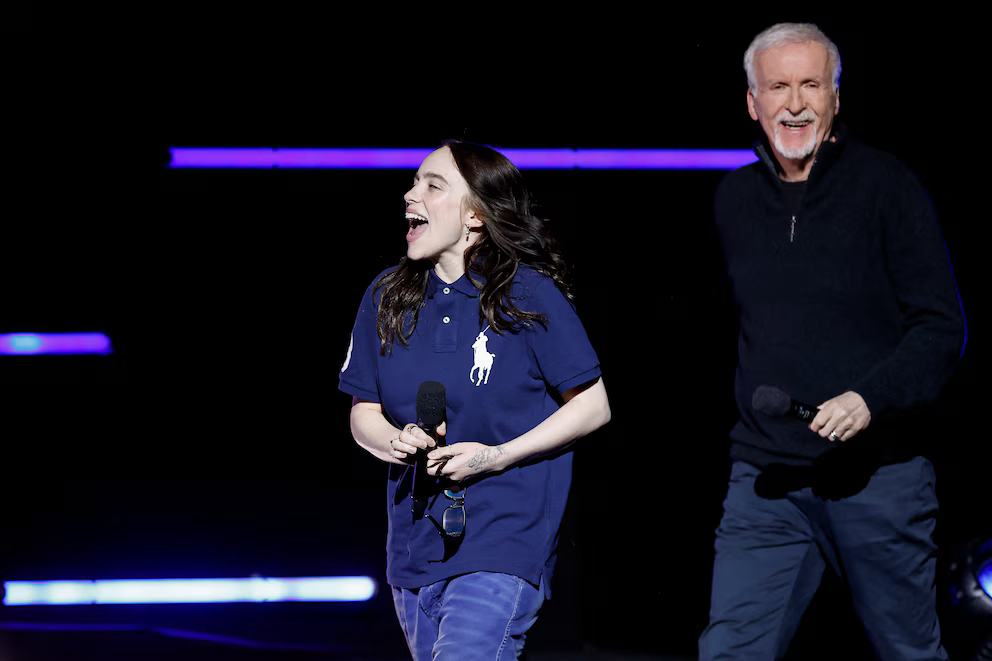
The deeper issue is that vulnerability has become a language of power in modern pop. It can liberate, humanize and build community, but it can also trap artists inside the expectation that they must always be emotionally available. Eilish’s confession is therefore not just a personal statement; it is a warning about the price of being real in front of millions.

Her story suggests that fame no longer depends only on spectacle. It depends on access. And for Billie Eilish, learning how much access to give may be as important as the music itself.
Cada silencio habla. / Every silence speaks.