

 Phoenix 24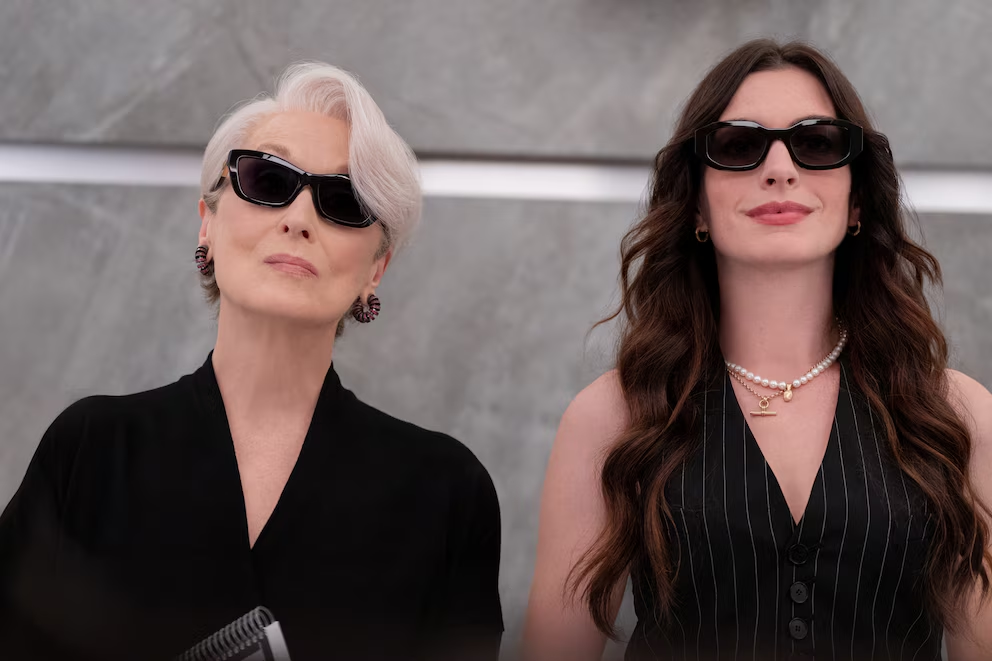
Nostalgia becomes a luxury entertainment asset.
New York, May 2026. The Devil Wears Prada 2 has surprised the industry after collecting more than USD 50 million during its global preview run, turning its early release into a major box office signal. The result confirms that the sequel is not only benefiting from nostalgia, but from the enduring cultural power of a brand that has remained alive in fashion, film and digital conversation.
The original film became more than a comedy-drama about ambition and the fashion industry. It evolved into a generational reference about work, image, hierarchy and the emotional cost of professional success. Two decades later, that memory is operating as commercial infrastructure, giving the sequel an unusually strong starting point before its wider release.
The preview numbers also show how Hollywood is using familiar intellectual property in a more calculated way. Audiences are not simply returning for a title they recognize; they are returning to a world with characters, aesthetics and tensions already embedded in popular culture. In that sense, the film’s commercial force comes from memory converted into market value.
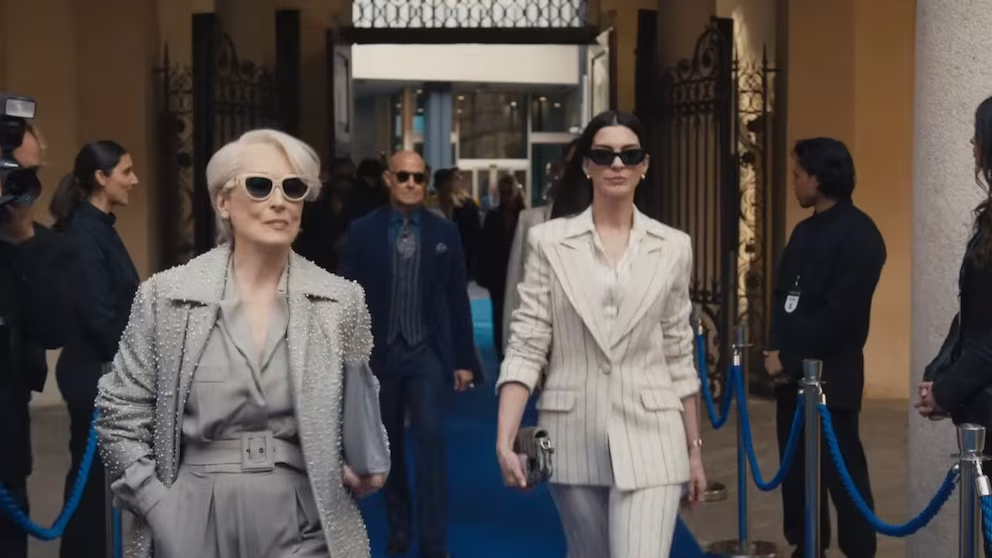
The challenge for the sequel is now creative, not only financial. Strong early revenue can generate momentum, but it also raises expectations around narrative relevance. A return to Miranda Priestly’s universe must justify itself beyond references, wardrobe and iconic tension.
The film’s early success suggests that prestige nostalgia remains one of Hollywood’s most reliable currencies. But the deeper lesson is sharper: some stories survive because they captured a social structure, not just a moment. The Devil Wears Prada 2 is entering theaters with that advantage already working in its favor.
Phoenix24: periodismo sin fronteras. / Phoenix24: journalism without borders.