

 Phoenix 24
Energy markets react faster than diplomacy.
London, April 2026. Oil prices surged past 126 dollars per barrel as the escalation of conflict involving Iran intensified fears of supply disruption across one of the world’s most critical energy corridors. The spike reflects not only immediate risk perception, but a deeper structural vulnerability in global energy markets tied to geopolitical chokepoints.
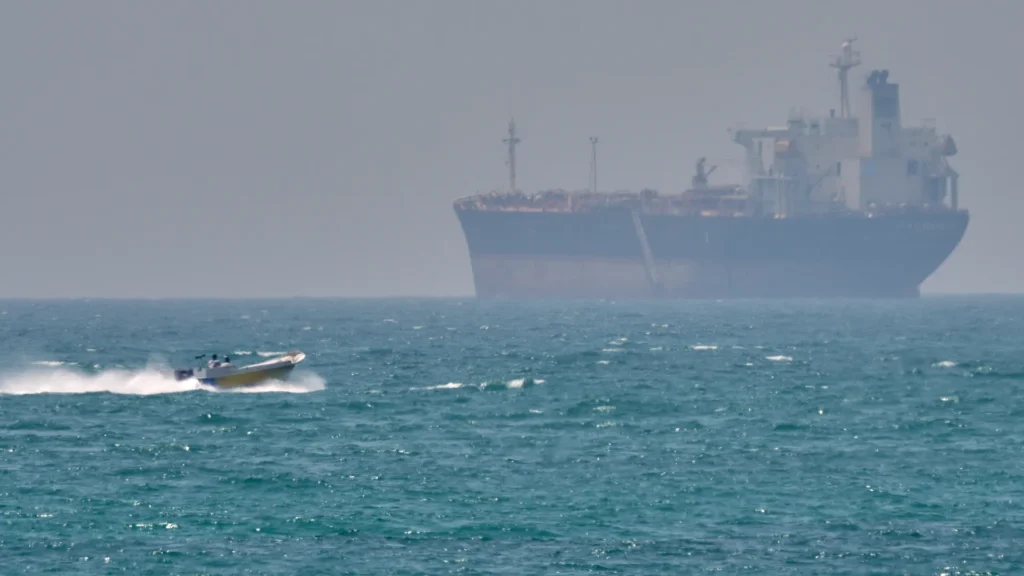
The Strait of Hormuz, through which roughly a fifth of global oil supply transits, has once again become the focal point of strategic anxiety. Any threat to its stability reverberates instantly across pricing models, insurance costs, shipping routes and national reserves. Markets are not pricing certainty; they are pricing the possibility of interruption.
This surge arrives at a moment when the global economy is already navigating inflationary pressure and uneven recovery. Higher oil prices translate directly into transportation costs, manufacturing inputs and consumer prices, amplifying inflation in economies that have yet to stabilize post-pandemic and amid ongoing geopolitical fragmentation.
For Europe, the implications are particularly acute. Still recalibrating its energy dependence after years of reduced Russian supply, the continent now faces renewed exposure to external shocks. Energy diversification strategies remain incomplete, leaving the eurozone vulnerable to volatility driven far beyond its borders.
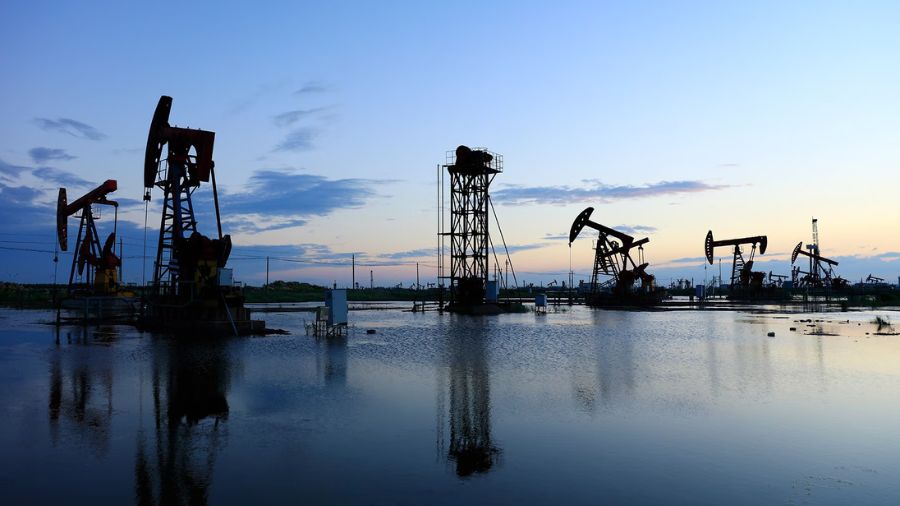
For the United States, the price increase presents a dual challenge. While domestic production provides some insulation, global pricing mechanisms ensure that American consumers and industries are not immune. At the same time, Washington must balance energy stability with its broader geopolitical positioning in the Middle East.
The deeper signal is systemic. Oil markets are no longer reacting solely to supply and demand fundamentals, but to layered geopolitical risk environments where conflict, sanctions, maritime security and strategic signaling intersect. Price is becoming a proxy for uncertainty itself.
What is unfolding is not simply a price increase. It is a reminder that global energy remains structurally exposed to concentrated geographic risk. As long as key supply routes remain politically contested, volatility will not be an anomaly but a recurring condition.
Geopolítica, sin maquillaje. / Geopolitics, unmasked.