

 Phoenix 24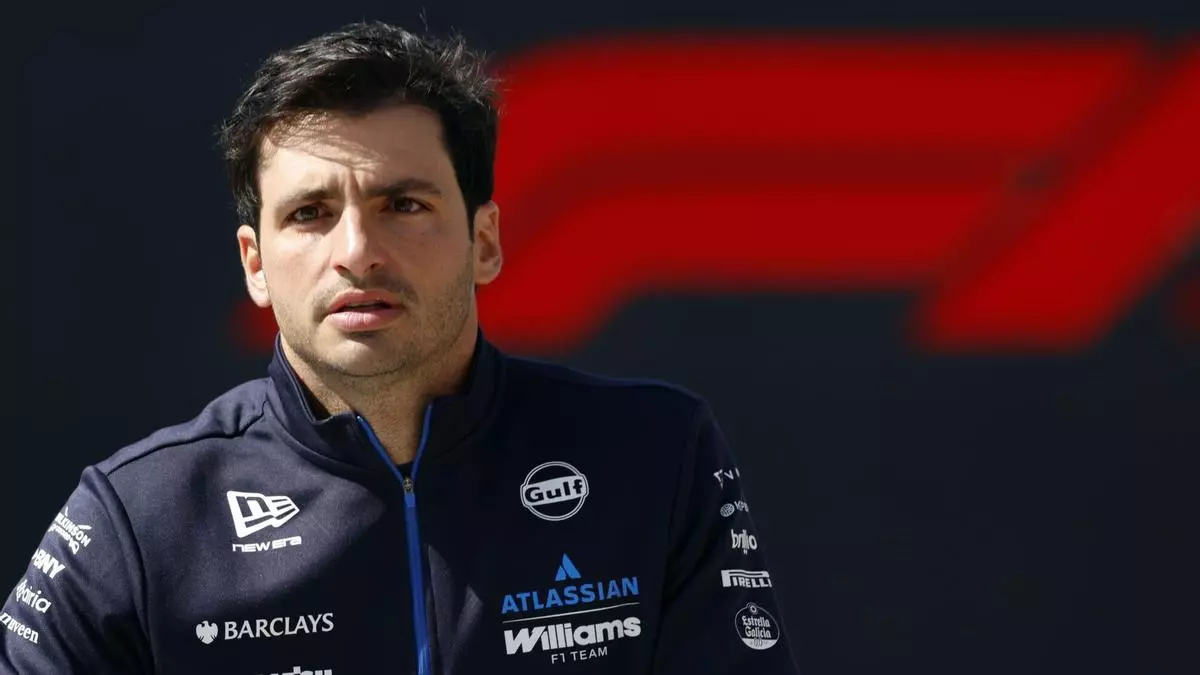
Performance pressure arrives before results do.
Miami, April 2026. Carlos Sainz has issued a measured but clear warning to Williams Racing ahead of the Miami Grand Prix weekend, signaling that expectations inside the team must align with the reality of a car still under development rather than immediate competitiveness.
Sainz’s message is not confrontational, but it is strategic. The Spanish driver emphasized that progress will not be linear and that patience will be required as Williams continues its technical rebuild. In a grid where marginal gains define race outcomes, the gap between ambition and engineering maturity can quickly become visible on track.
The Miami circuit amplifies that tension. High-speed sections, braking demands and tire management expose weaknesses in aerodynamics and balance, precisely the areas where Williams is still working to stabilize performance. For Sainz, the race is less about headline results and more about extracting consistent data and incremental improvements.
Inside Formula 1, such statements rarely occur in isolation. Drivers communicate not only with their teams, but with sponsors, engineers and the broader competitive field. By tempering expectations publicly, Sainz is also protecting the narrative around his adaptation and the team’s trajectory.
Williams, for its part, is navigating a longer transformation cycle. After years at the back of the grid, the team is attempting to rebuild competitiveness through structural, technical and strategic adjustments. That process demands time, investment and internal coherence, none of which can be accelerated simply by driver pressure.
The underlying signal is clear. Sainz is not lowering ambition; he is recalibrating timelines. In Formula 1, performance is not declared, it is engineered, and Miami will serve as another checkpoint in a project that remains in construction rather than completion.
Hechos que no se doblan. / Facts that do not bend.