

 Phoenix 24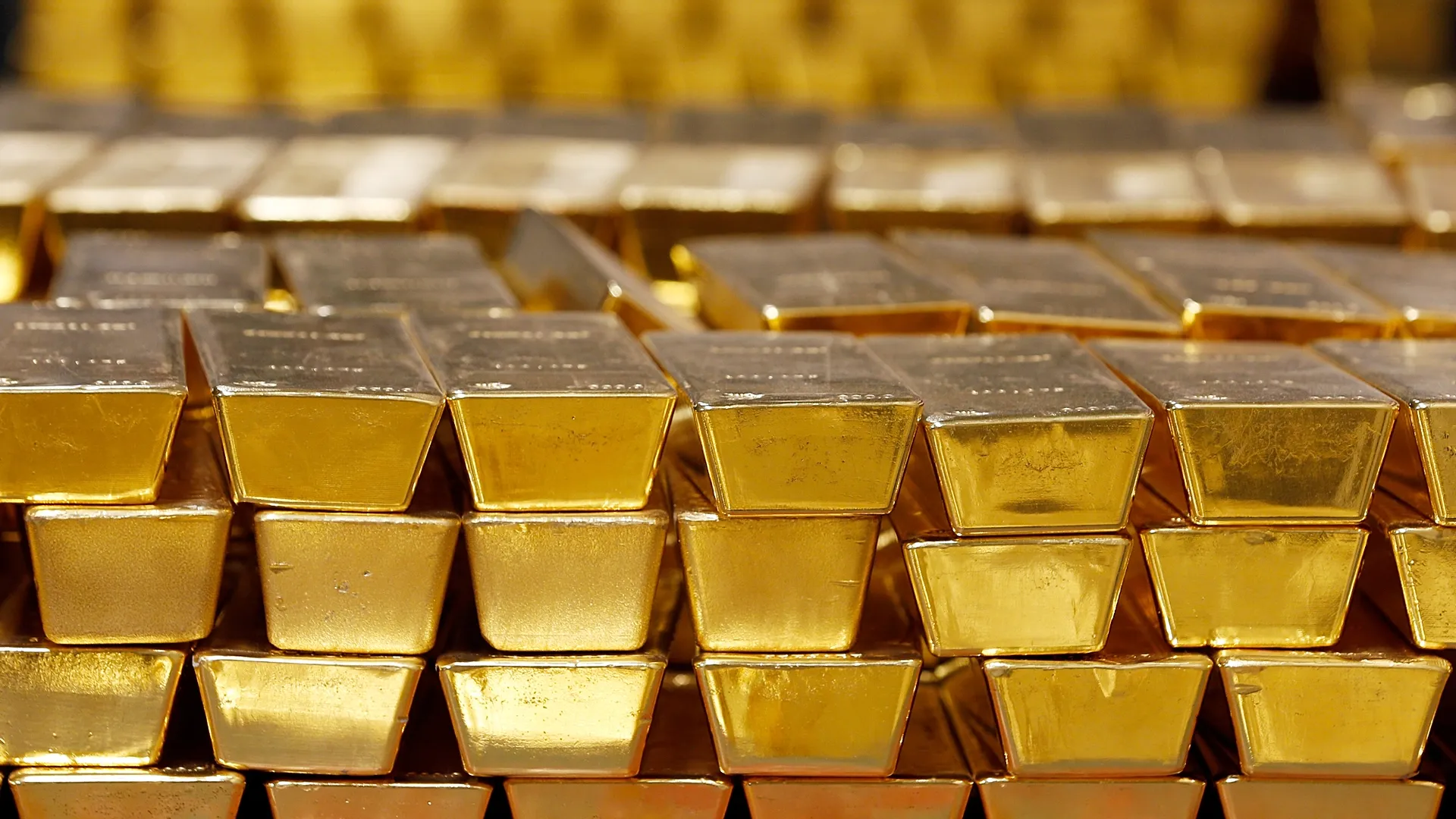
A reserve becomes a political temptation.
Berlin, April 2026. Germany’s vast gold reserves have returned to the center of economic debate after DIW president Marcel Fratzscher suggested that part of them could be sold to ease pressure on citizens and companies. The reserves are valued at nearly 440 billion euros, a symbolic figure in a country facing higher consumer costs, infrastructure demands and mounting questions over fiscal flexibility. What was long treated as untouchable monetary insurance is now being reframed as a possible crisis instrument.
The proposal strikes at one of Germany’s deepest financial taboos. The Bundesbank holds roughly 3,350 tonnes of gold, placing Germany behind only the United States in national reserves. For the central bank, gold is not merely an asset; it is a long-term anchor of confidence, monetary credibility and strategic continuity. Selling even a small share would therefore carry meaning far beyond the balance sheet.
Fratzscher’s argument is built around urgency. If households and businesses are under pressure, he suggests, the state should not leave an enormous crisis reserve entirely inactive while public needs intensify. The proceeds could be used to relieve consumers, invest in education or strengthen infrastructure. In that reading, gold is not sacred wealth, but frozen capacity.
The counterargument is equally powerful. Once a country starts treating strategic reserves as a fiscal relief mechanism, markets may question whether crisis buffers are being weakened for short-term politics. Germany’s gold also carries geopolitical sensitivity, since part of it remains stored in New York and London, while domestic voices have demanded repatriation amid declining trust in U.S. stability. The debate is therefore not only about selling gold, but about who controls national insurance in an age of political volatility.
Germany is confronting a larger question than whether to liquidate part of its reserves. It is asking whether inherited symbols of security still serve the public when economic pressure reaches households directly. Gold protects confidence in silence, but citizens experience crisis in prices, wages and infrastructure decay. Between those two realities, Berlin now faces a dilemma that money alone cannot solve.
Lo visible y lo oculto, en contexto. / The visible and the hidden, in context.