

 Phoenix 24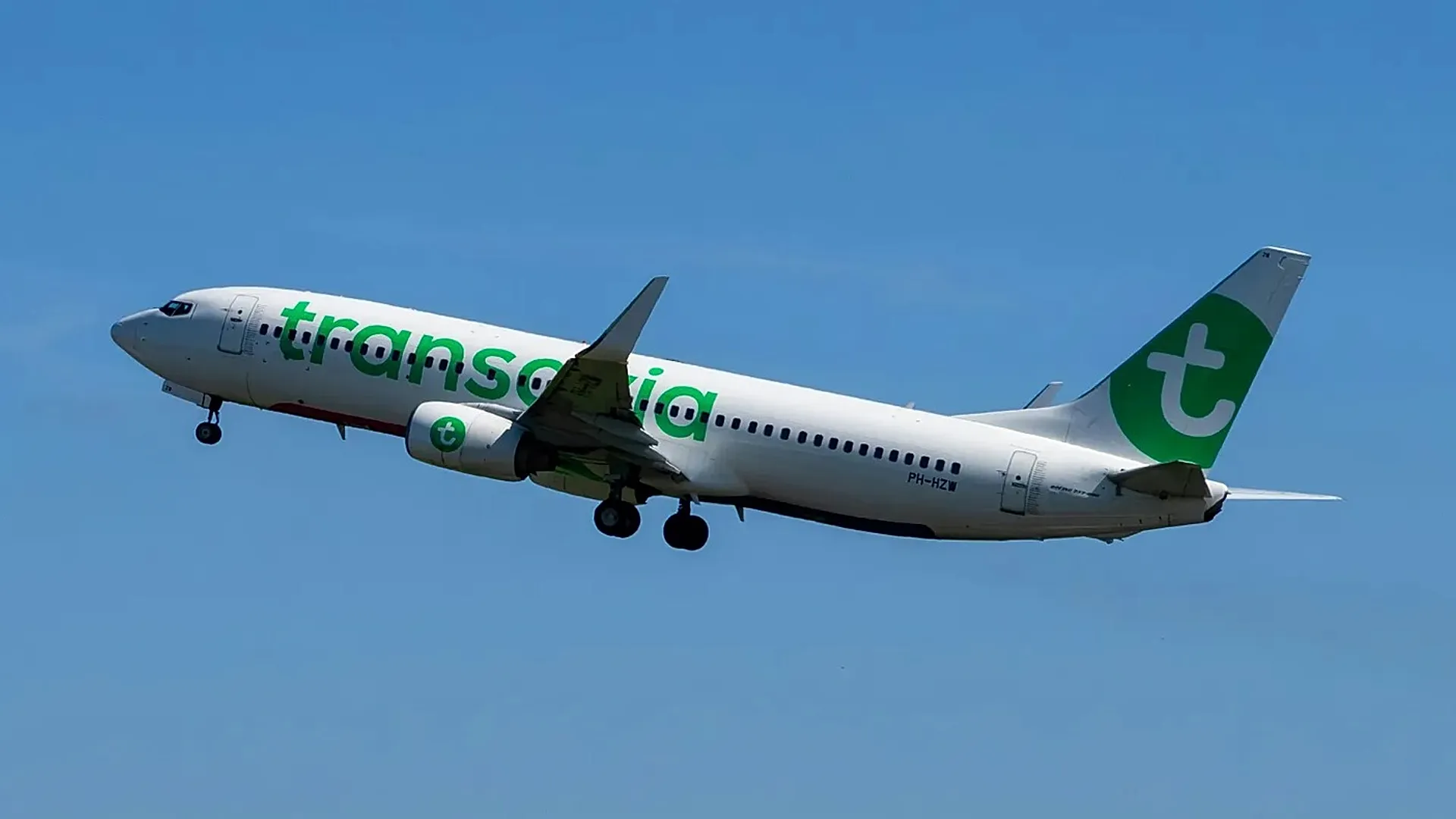
War is now pricing the sky.
Brussels, April 2026. Europe’s aviation sector is entering the summer season under a fuel shock that is no longer confined to balance sheets. A sharp rise in jet fuel costs, linked to the instability generated by the Iran crisis, is already forcing airlines to cancel flights, suspend routes and transfer part of the burden to passengers. The disruption is exposing how quickly geopolitical volatility can move from energy markets into airport gates.
The pressure is especially visible across carriers with dense European and intercontinental networks. Transavia is canceling selected flights between May and June, while affected passengers are being offered refunds, vouchers or free rebooking options. KLM has also moved to cancel 160 flights connected to Schiphol in May, arguing that higher kerosene prices have made some operations economically unsustainable. What appears numerically limited still sends a larger signal: even mature European routes can become fragile when fuel assumptions collapse.
Turkish Airlines is facing a broader adjustment, with reported suspensions across 18 routes and reduced frequencies in several parts of its network. The affected connections include destinations in Europe, Africa and Asia, turning a fuel problem into a mobility problem across multiple regions. SunExpress, linked to Turkish Airlines and Lufthansa, will apply a temporary fuel surcharge on routes between Turkey and Europe. Lufthansa, meanwhile, has reportedly grounded thousands of flights as part of a wider effort to contain aviation fuel costs.
For travelers, the consequence is immediate uncertainty: itineraries may change, fares may absorb surcharges and summer planning may become more exposed to geopolitical risk. For airlines, the problem is structural. Commercial aviation depends on thin margins, high aircraft utilization and route predictability. When fuel rises sharply, the first casualties are frequency, flexibility and secondary routes.
The deeper story is not only about canceled flights. It is about the vulnerability of Europe’s mobility model in an era where war, energy and logistics now converge almost instantly. The aviation industry recovered from the pandemic by restoring demand, but the new crisis shows that demand alone does not protect a route when fuel becomes a geopolitical weapon. Europe’s skies remain open, but the economics beneath them are tightening.
Detrás de cada dato, hay una intención. Detrás de cada silencio, una estructura. Behind every data point, there is an intention. Behind every silence, there is a structure.