

 Phoenix 24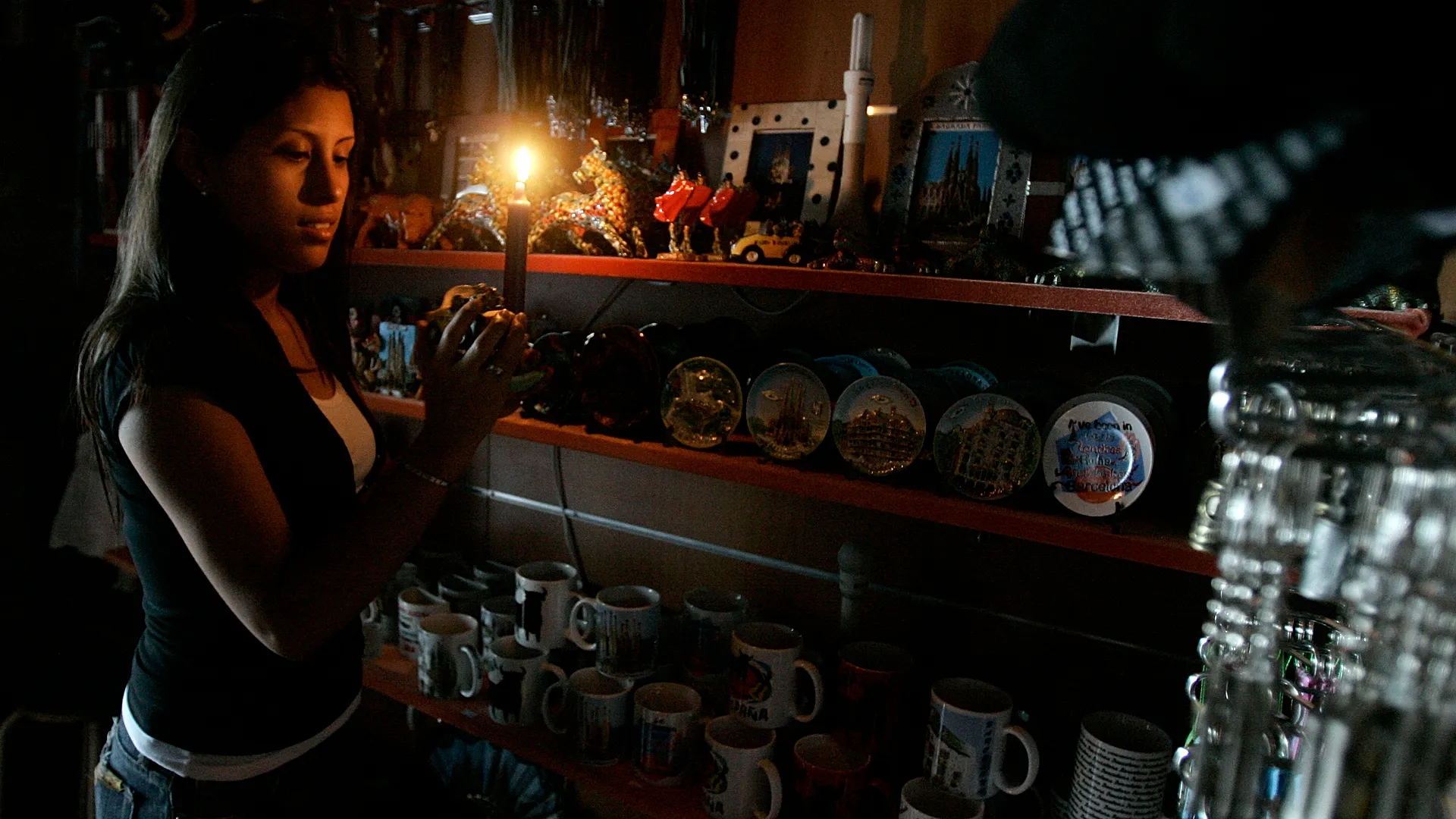
Power returned, but the cost remained.
Madrid, April 2026. One year after the blackout that halted the Iberian Peninsula, its most persistent consequence is no longer measured in hours without electricity, but in the steady financial pressure now embedded in household bills. The system came back online, yet it did so under a more defensive and expensive operational logic. What began as a technical failure has evolved into a prolonged economic adjustment with daily visibility.
The April 2025 disruption forced a structural recalibration of Spain’s energy architecture. Grid operators expanded the use of backup capacity and more expensive generation sources to stabilize supply when renewables fluctuate. That reinforced model has lowered the probability of another systemic collapse, but it has also redistributed costs toward consumers in a gradual and largely silent manner. The blackout ended in real time, but its financial echo continues to accumulate.
The paradox is increasingly difficult to ignore. Spain had positioned itself as a leader in renewable integration and competitive electricity pricing, yet it now confronts the cost of securing the very system that enabled that transition. Energy resilience has shifted from policy narrative to economic reality, shaping household decisions and corporate margins alike. The grid is more robust, but its stability now carries a measurable premium.
Across Europe, the episode has altered how the energy transition is understood. Clean generation alone is no longer sufficient if transmission networks cannot absorb volatility, respond to shocks and maintain continuity under stress. The Spanish case highlights a deeper requirement: resilience depends on redundancy, flexibility, storage and institutional coordination as much as on renewable capacity. Without that balance, efficiency can quickly become systemic fragility.
Spain did not simply endure a blackout. It entered a phase where the cost of preventing failure is continuously internalized through everyday consumption. Electricity flows again, but under a new economic contract between infrastructure and society. What households now face is not only a higher bill, but the tangible price of avoiding another national disruption.
Más allá de la noticia, el patrón. / Beyond the news, the pattern.