

 Phoenix 24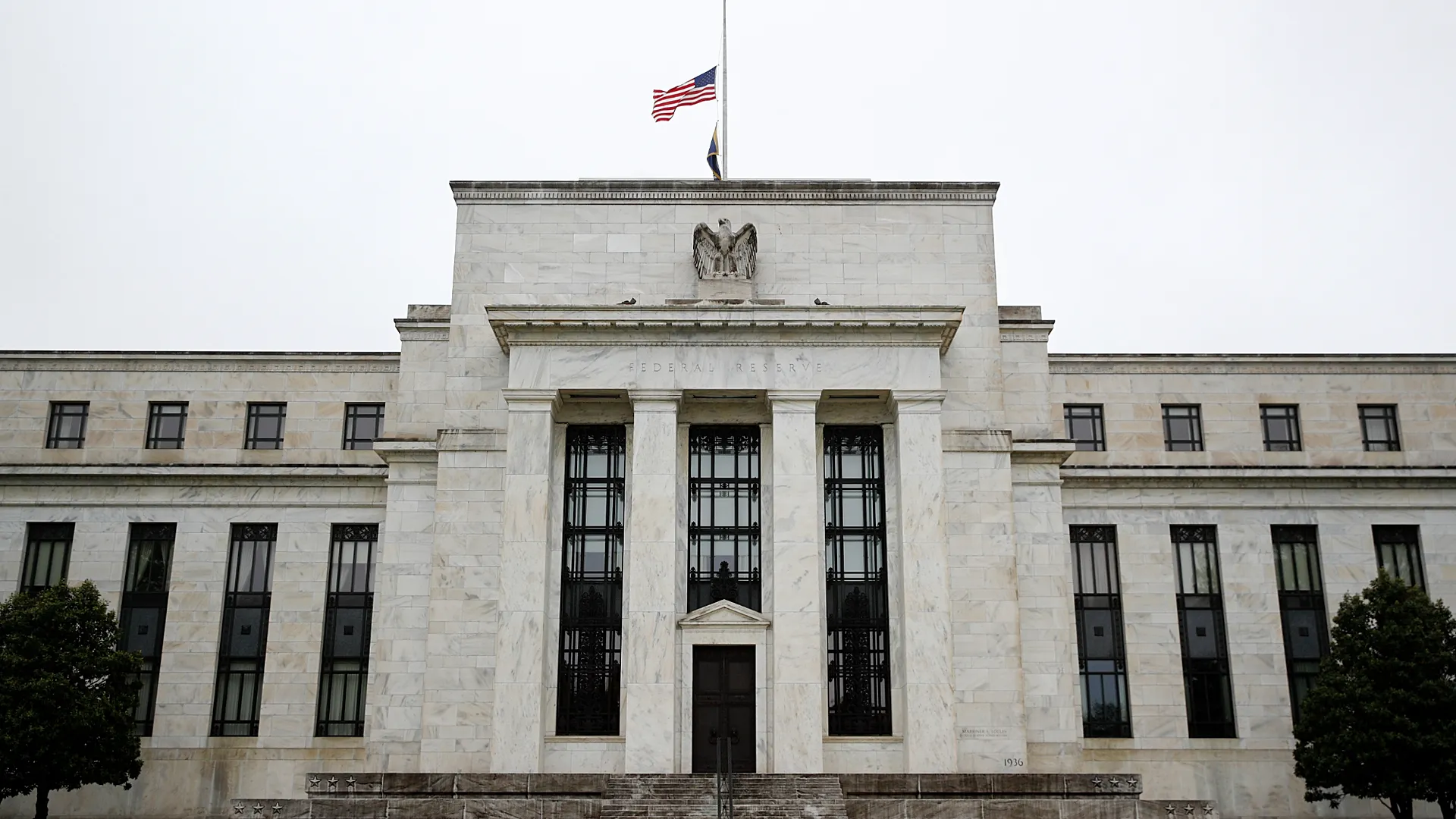
An external shock is back inside the economy.
Washington, April 2026
US inflation accelerated sharply in March, with the annual consumer price index rising to 3.3 percent from 2.4 percent in February, in what appears to be the clearest domestic economic impact yet from the war involving Iran and the resulting energy shock. On a monthly basis, prices rose 0.9 percent, the strongest increase since mid 2022, while gasoline accounted for nearly three quarters of the overall jump. Even if the headline number is being driven by energy, the broader significance lies in what it signals: geopolitical conflict abroad is once again feeding directly into household costs, monetary policy constraints, and market anxiety at home.
The inflation spike matters because it disrupts the easing narrative that many policymakers and investors had hoped to preserve this year. For months, the expectation was that inflation would continue moving closer to the Federal Reserve’s target, opening more room for rate cuts and a softer landing. That path now looks far less secure. A war-driven surge in oil and fuel costs has reintroduced the classic problem central banks fear most: a supply shock that pushes prices higher even as confidence and growth prospects weaken.
Beneath the headline, the composition of the report makes the picture more complicated. Core inflation, which excludes food and energy, remained more contained, suggesting that the immediate acceleration is not yet a full economy-wide overheating event. But that offers only limited comfort. Energy is not an isolated variable. Once fuel prices jump, transportation, logistics, services, and consumer expectations begin to absorb the pressure. In that sense, what starts as an oil shock rarely stays confined to the pump.
This puts the Federal Reserve in a familiar but uncomfortable position. If officials treat the surge as temporary, they risk underestimating the second-round effects of sustained energy pressure. If they respond too aggressively, they could tighten into a more fragile growth environment shaped by war, supply disruption, and financial uncertainty. The result is a narrower policy corridor. Even without immediate new tightening, the inflation report makes it harder to justify a rapid move toward lower rates.
The March data also reveal how vulnerable the US economy remains to geopolitical chokepoints. The energy spike has been linked to war-related disruptions and fears surrounding key routes in the Gulf, especially as oil markets price in risk faster than political systems can contain it. This is the strategic lesson behind the number: inflation is no longer being driven only by domestic demand, wages, or standard business-cycle dynamics. It is being shaped by the militarization of supply lines and the fragility of global energy flows.
For households, this creates a more hostile environment than the headline alone suggests. Consumers are not just confronting higher gasoline bills. They are also facing the possibility that broader prices may remain sticky, borrowing costs may stay elevated, and economic optimism may weaken just as an election season intensifies. For markets, the message is equally uncomfortable. A temporary ceasefire may calm sentiment for a day, but the inflation print confirms that the economic damage from conflict can outlast the battlefield headlines.
What is now unfolding is not simply a bad inflation month. It is the return of geopolitical inflation as a governing force in the world’s largest economy. The United States is being reminded, once again, that war in strategic energy corridors does not remain regional for long. It travels through oil, freight, interest rates, consumer psychology, and ultimately through the political credibility of economic management itself.
Behind every fact, there is an intention. Behind every silence, a structure.