

 Phoenix 24
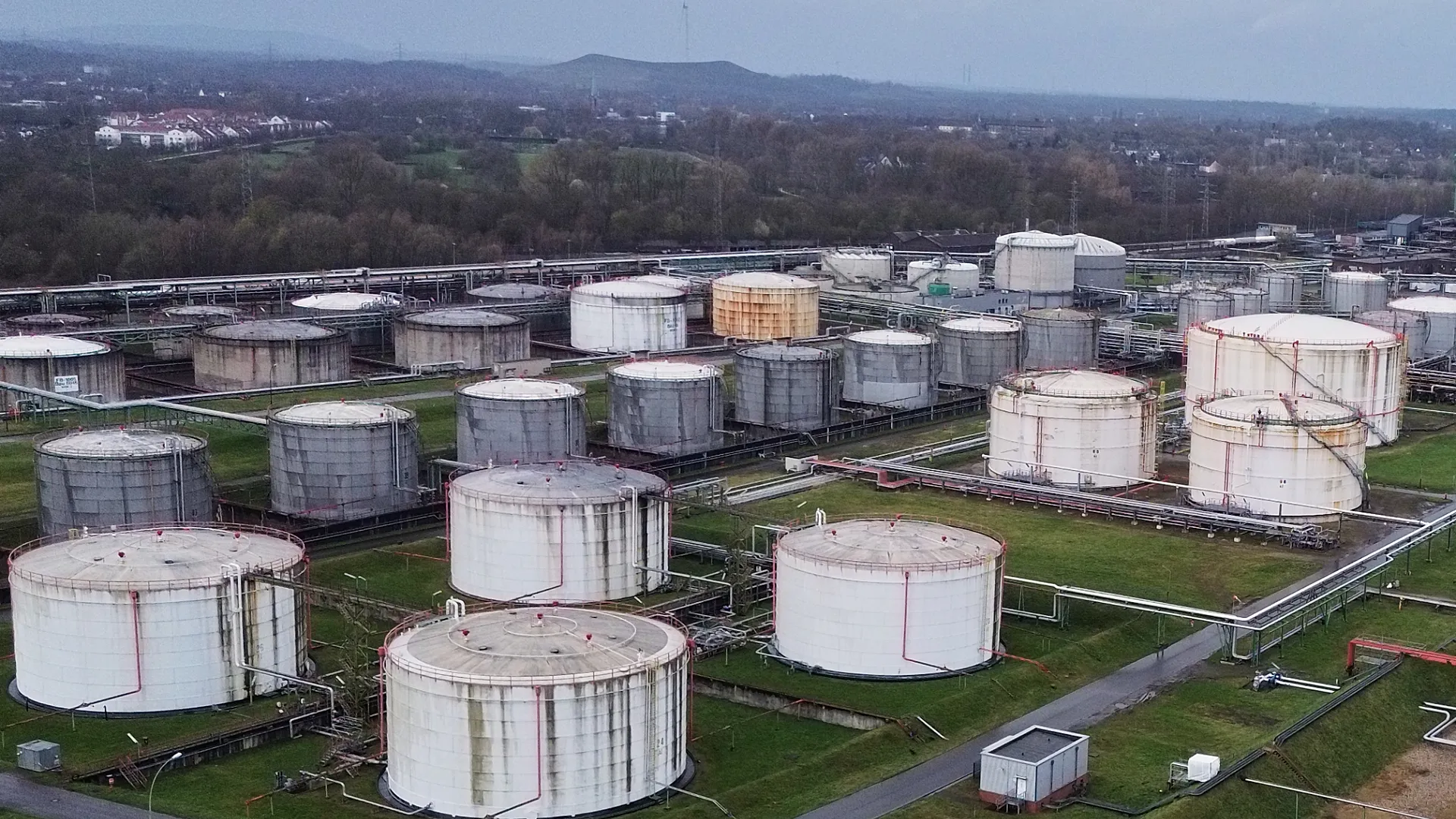
Stockpiles delay crisis, but they do not dissolve it.
Brussels, April 2026
The European Union’s strategic oil reserves are built to buy time, not to guarantee comfort through a prolonged geopolitical rupture. Current estimates indicate that the bloc’s emergency stocks can cover roughly ninety days of net imports, a figure that sounds reassuring at first glance but becomes less impressive once the crisis horizon stretches beyond the short term. Strategic reserves are not a substitute for stable flows, secure transport corridors or functioning energy markets. They are a buffer against panic, not a permanent cure for structural exposure.
That distinction matters because Europe is now facing energy pressure shaped not by routine market fluctuation, but by the risk of sustained disruption tied to conflict in the Middle East. In that context, reserves stop being a quiet technical instrument and become a political measure of how long governments can preserve normality before shortages, price spikes or rationing pressures begin to spread more visibly. A reserve system is strongest when it remains exceptional. Once it starts being treated as an active pillar of continuity, its limits become part of the story.
The deeper problem is duration. A short supply interruption can often be managed through coordinated releases, demand reduction and market signaling. A longer disruption is different because it forces states to confront a harsher set of tradeoffs involving prioritization, industrial pressure, inflation and public tolerance. The moment oil stress moves from temporary shock to sustained condition, the question is no longer whether Europe has reserves. The question becomes how fast those reserves turn into a countdown.
There is also an internal unevenness that aggregate numbers can conceal. The European framework may be collective, but strategic storage is not experienced identically across all member states. Some countries hold greater stock volumes, have stronger logistics or possess more adaptable infrastructure, while others remain more exposed to bottlenecks in refining, transport or import dependency. That means a continental reserve figure can project confidence even as practical vulnerability remains highly uneven beneath the surface.
This is why the reserve debate cannot be separated from the wider architecture of European resilience. Oil does not operate in isolation. It touches aviation, logistics, agriculture, freight, industrial production and consumer sentiment all at once. When reserves are discussed only as barrels in storage, the public misses the broader point. What is really at stake is how long a continent built on movement, circulation and steady energy access can protect its daily rhythms when one of its key fuels becomes strategically unstable.
The symbolism of the current moment is revealing. For years, Europe has spoken about strategic autonomy, diversification and energy security with growing urgency, especially after previous shocks reshaped the continent’s assumptions about dependence. Yet the reserve question shows that even after those lessons, emergency preparedness still has a finite horizon. Strategic stocks make the system more resilient, but they also expose how vulnerable the system remains once crisis becomes prolonged rather than episodic.
That is why the most important phrase in this debate is not ninety days. It is what comes after. If the conflict environment continues, if maritime pressure persists and if market volatility deepens, reserves can only postpone the arrival of more difficult political choices. Governments may then be forced to move beyond emergency cushioning into active restraint, demand management and broader economic adaptation. At that stage, resilience begins to look less like preparedness and more like controlled sacrifice.
So the real meaning of Europe’s oil reserves is neither comforting nor catastrophic. They are evidence that the bloc has learned to prepare for disruption, but also proof that preparation has hard limits when dependence remains structural. In a short crisis, stockpiles can calm the market and steady governments. In a long one, they become a visible reminder that time itself is now part of the energy equation.
Beyond the news, the pattern. / Más allá de la noticia, el patrón.