

 Phoenix 24
Airlines digitize disruption when patience is running out.
Fort Worth, March 2026
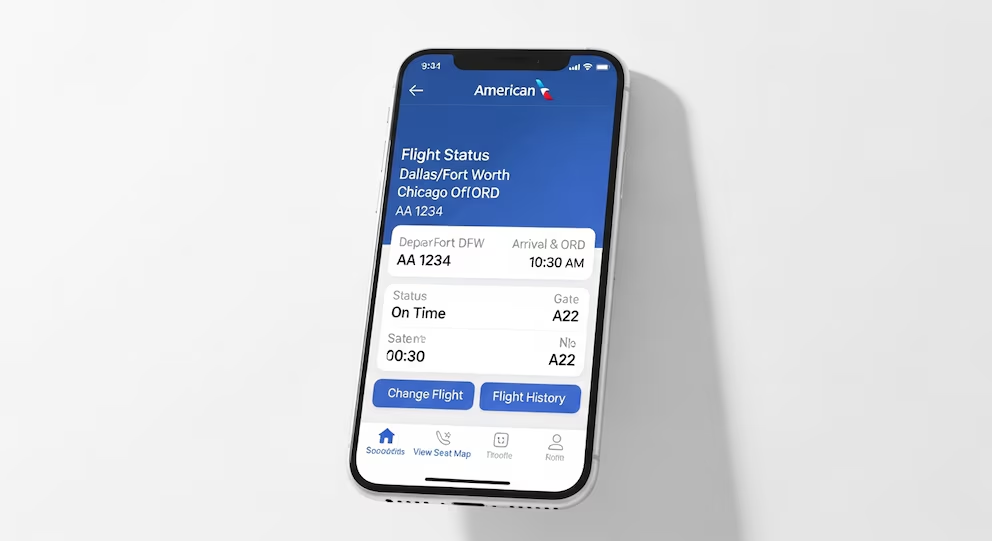
American Airlines’ latest digital push is not really about making delays and cancellations pleasant. That is impossible. What it is trying to do is reduce the chaos, uncertainty and visible helplessness that usually define disrupted travel. The airline has expanded its platform so passengers facing qualifying delays, cancellations or risky connections can manage more of the problem directly from the app and website. In practical terms, American is trying to turn disruption from an airport line into a guided digital workflow.
That shift matters because airline frustration is rarely caused only by the delay itself. It is intensified by the feeling that the passenger loses visibility, loses options and loses time all at once. American’s updated system tries to answer that weak point by centralizing rebooking, bag tracking, voucher access and clearer status information in one place. The company is also putting more emphasis on explaining why a disruption is happening, not just that it is happening. That may sound minor, but context often matters almost as much as compensation when people feel stranded.
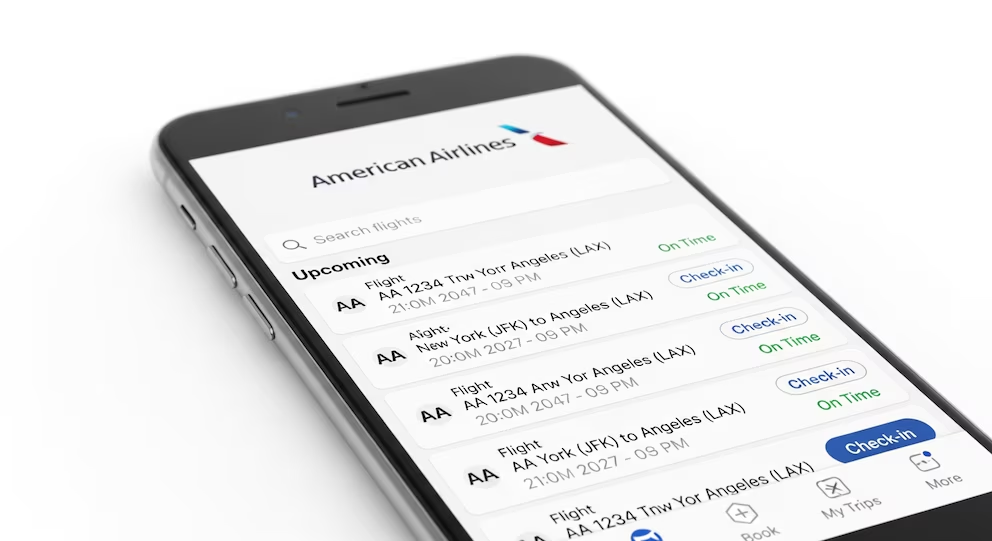
The deeper logic is operational, not cosmetic. Airlines have learned that every customer forced into a counter line, phone queue or manual service interaction increases cost, friction and reputational damage. A stronger self-service system does not just help travelers; it helps the airline absorb irregular operations more efficiently. In that sense, the platform is not only a customer experience tool. It is a pressure-management system for the airline itself.
There is also a broader industry lesson here. Travel companies increasingly understand that the digital experience matters most when the trip goes wrong, not when everything runs on time. Booking a flight has long been easy. Recovering from a disrupted one is where brand trust is actually tested. American appears to be betting that faster rebooking, integrated vouchers and more readable disruption alerts can turn a bad day into a less explosive one. That is not loyalty magic, but it is a smarter form of damage control.
Still, this kind of improvement has limits. A better app cannot erase the structural causes of delay, staffing pressure, weather disruption or network congestion. It can only make the failure easier to navigate. That distinction matters because airlines often present digital upgrades as if they were evidence of greater reliability, when in many cases they are really evidence of better recovery design. The trip is not necessarily more stable. It is simply more legible when instability arrives.
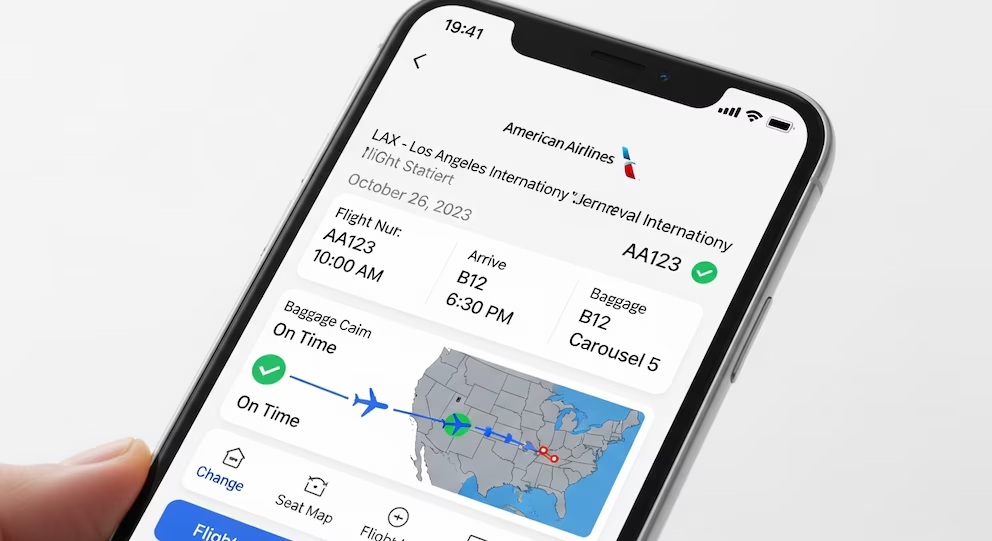
That is why American’s move deserves attention beyond the headline of customer convenience. The airline is acknowledging a basic truth of modern travel: when operations break down, passengers no longer want vague announcements and long lines as the default response. They expect immediate options, clearer explanations and usable control from their phone. In that environment, digital disruption management is no longer a nice feature. It is becoming part of the minimum standard for a major airline trying to look competent under pressure.
Detrás de cada dato, hay una intención. Detrás de cada silencio, una estructura.
Behind every datum lies an intention. Behind every silence, a structure.