

 Phoenix 24
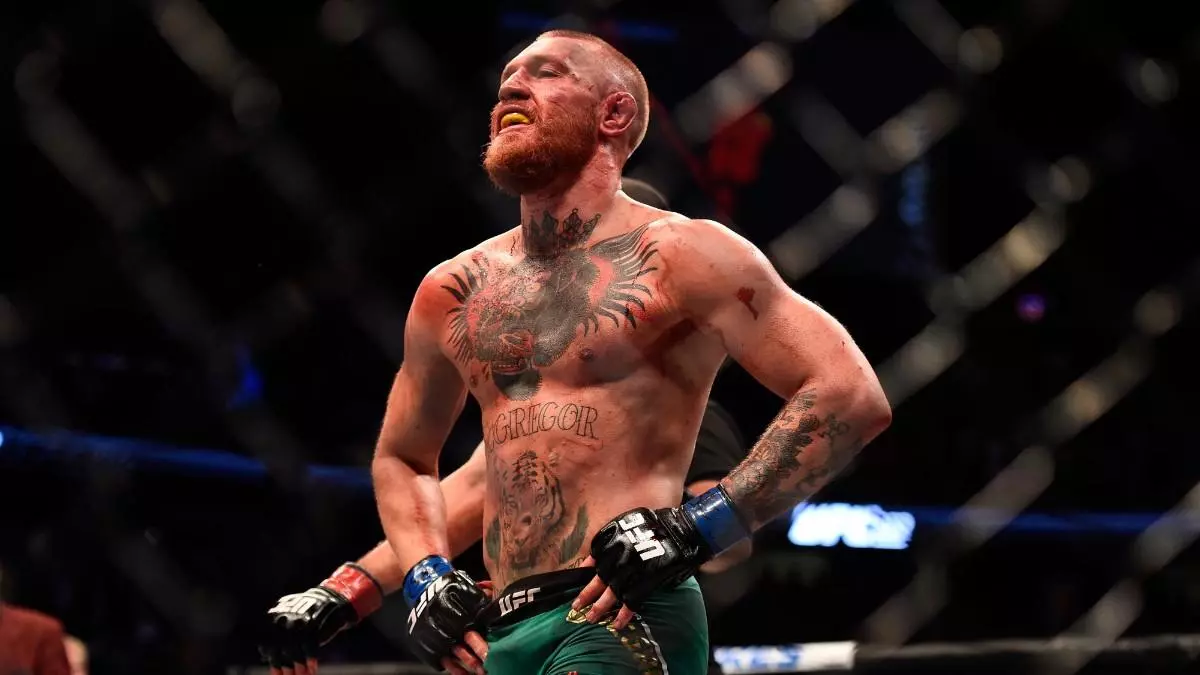
In modern combat sports, comeback is a business model.
Las Vegas, March 2026
The UFC is not treating Conor McGregor’s return as a normal booking. It is treating it as a strategic asset capable of reorganizing attention around an entire event week. Recent reporting points to International Fight Week in July as the preferred window for his comeback, with Las Vegas emerging as the most likely setting. What matters is not only that McGregor may return after nearly five years away from the Octagon. What matters is that the promotion still sees him as the one figure capable of turning a fight announcement into a market-wide reset of interest.
That does not mean the comeback is fully settled. The strongest signals suggest momentum, not complete closure. McGregor has hinted publicly that an agreement exists, while broader reporting suggests the return is likely unless something disrupts the plan again. But previous contradictions between his own announcements and the UFC’s official posture make caution necessary. In other words, the runway may be prepared, but the aircraft is not yet fully on the schedule in the cleanest institutional sense.
The promotional logic is obvious. McGregor remains the UFC’s most bankable name even after years of inactivity, injury and controversy. He has not fought since the summer of 2021, when he suffered a broken leg against Dustin Poirier, and the originally planned comeback against Michael Chandler later collapsed. Yet his commercial value has survived the absence. That says something revealing about both the company and the sport: in the UFC economy, drawing power can outlast competitive rhythm by an extraordinary margin.
That is why the question is no longer simply whether McGregor can still fight. The bigger question is what the UFC needs him to symbolize on return. The promotion is entering a new media phase and still appears eager to anchor that transition with its most recognizable modern superstar. His comeback would not only sell a card. It would function as proof that the company can still build a major event around a name whose value exceeds present athletic continuity.
There is also a competitive irony underneath the hype. The ideal comeback opponent once looked like Michael Chandler, a matchup many saw as favorable to McGregor both stylistically and commercially, but that route now appears less certain. New speculation has drifted toward other names, while some rumored options have already been discounted. That uncertainty matters because it suggests the UFC may already understand that the real value of the return lies less in perfect matchmaking than in the comeback itself. McGregor is the event architecture; the other side of the poster is increasingly secondary.
So the real story is not simply that the UFC may bring McGregor back in July. The real story is that the promotion is still building strategic expectations around a fighter whose active career has been repeatedly interrupted, because his ability to command attention remains structurally unmatched. That is both a testament to McGregor’s singular promotional power and a sign of how dependent elite combat sports remain on recognizable mythology. If the comeback is finalized, it will not simply mark a return to competition. It will mark the return of the UFC’s most profitable narrative device.
Detrás de cada dato, hay una intención. Detrás de cada silencio, una estructura.
Behind every datum lies an intention. Behind every silence, a structure.