

 Phoenix 24

Celebrity scandal is now managed through fragments.
Los Angeles, March 2026
Britney Spears has publicly addressed her recent DUI arrest for the first time, doing so not through a formal statement or a controlled interview, but through social media videos that place gratitude, family and emotional normalcy at the center of the frame. That choice of format matters because it shifts the public narrative away from legal exposure and toward recovery, intimacy and visible human support. What appears on the surface as a simple thank-you message is also a strategic act of repositioning. In celebrity culture, the medium often says as much as the words.
That does not mean the crisis has been resolved. A public reappearance never erases the underlying event, especially when the legal and reputational consequences still linger in the background. What it does is open a second phase, one in which image management, family proximity and public sympathy begin competing with the harder logic of accountability. Spears is not closing the episode by speaking. She is trying to prevent the episode from fully defining her.
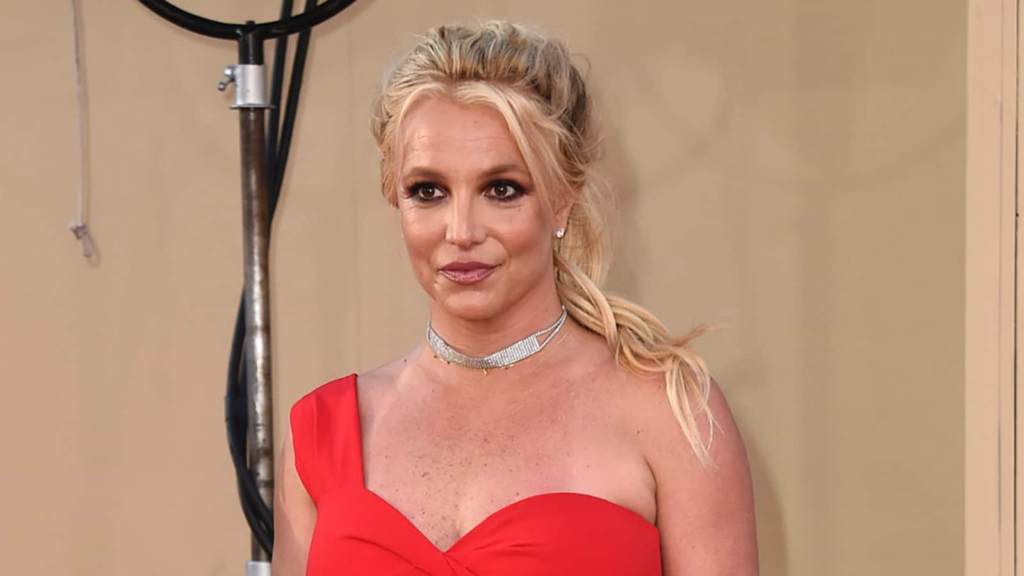
What makes the moment especially revealing is not simply that she thanked supporters. It is that the message arrived framed by emotional softness and personal closeness, elements that recast the scandal inside a more human and less punitive narrative. In celebrity culture, who appears around you after a crisis can matter almost as much as what you say. Family presence, gratitude and visual calm all work as signals of containment. They suggest not innocence, but recoverability.
There is also a broader pattern here that goes beyond Spears herself. Celebrities no longer rely first on press conferences, formal interviews or carefully negotiated magazine profiles to survive a scandal. They increasingly return through fragments: a short video, a selective post, a controlled image of normal life. This kind of communication does not aim to explain everything. It aims to soften perception, reset emotional tone and restore a degree of parasocial continuity with the audience.
That strategy can be effective precisely because it avoids overstatement. A long defense invites scrutiny. A brief, emotionally coded return invites projection. Fans read hope, stability or resilience into the smallest gesture, while critics are left reacting to something that appears human rather than corporate. In that sense, gratitude becomes less a conclusion than an instrument. It does not end the damage. It manages the atmosphere around it.
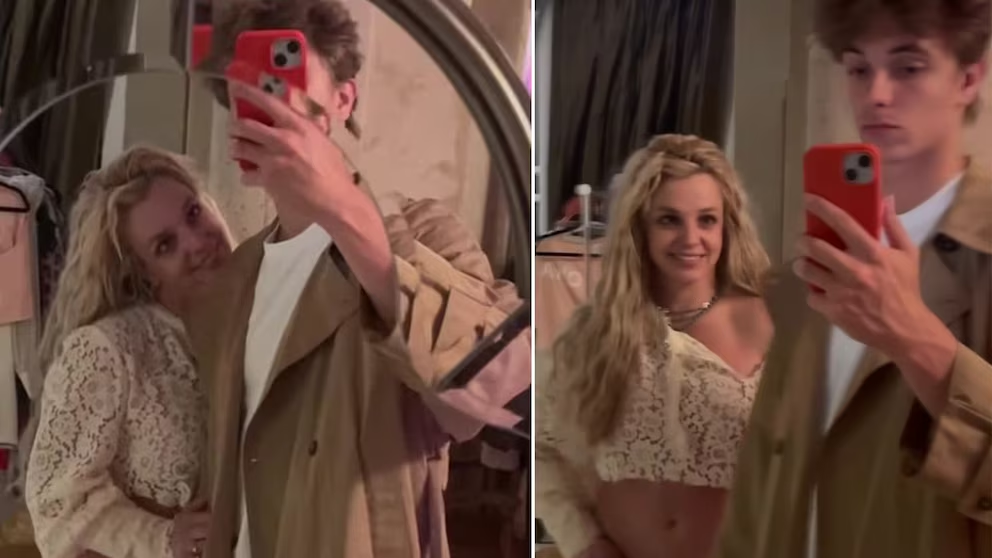
Still, the softness of the gesture should not obscure the seriousness of the underlying event. Public affection and symbolic family grounding may help stabilize perception, but they do not settle questions of responsibility or consequence. That tension is what gives the moment its real weight. Spears is attempting to re-enter public view without allowing the arrest to dictate the total meaning of her image. Whether that works will depend less on emotional tone and more on what follows in her conduct, her legal trajectory and her broader stability.
So this is not really a story about a celebrity saying thank you after a difficult moment. It is a story about how fame now metabolizes crisis through intimacy, platform control and selective vulnerability. Spears has spoken, yes, but only in the language of partial return. The image is being reconstructed before the meaning is fully settled. In celebrity culture, silence often ends long before consequences do.
Detrás de cada dato, hay una intención. Detrás de cada silencio, una estructura.
Behind every datum lies an intention. Behind every silence, a structure.