

 Phoenix 24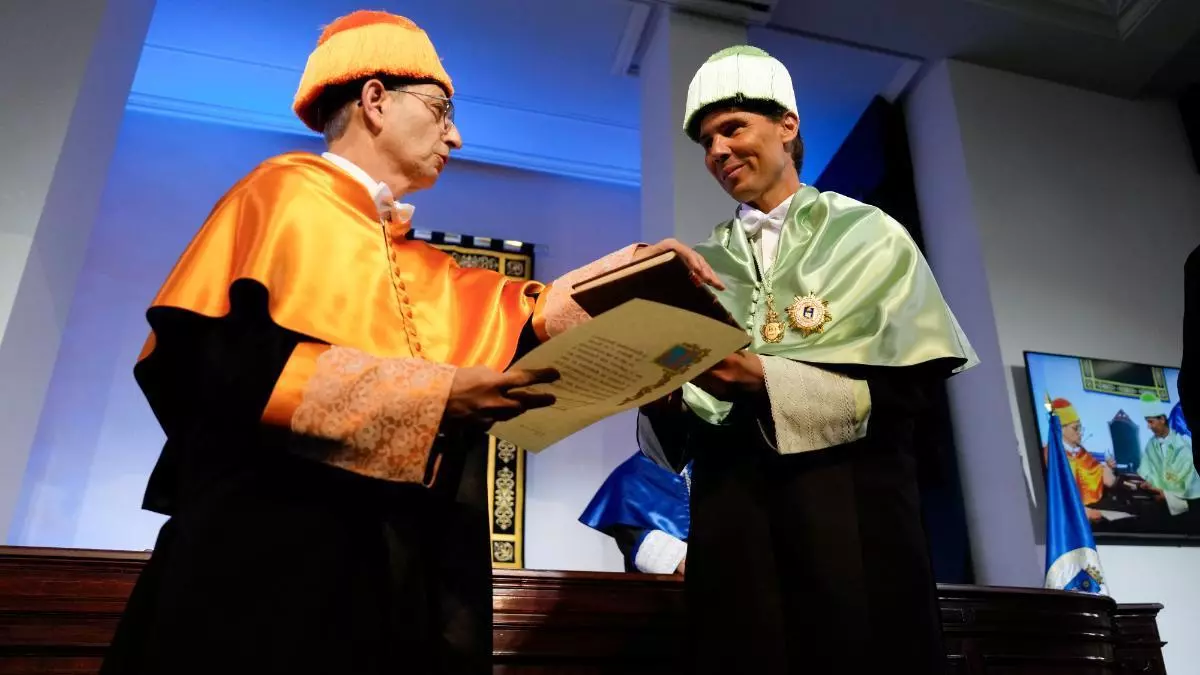
Recognition, symbolism and controversy met in Salamanca.
Salamanca, March 2026.
Rafael Nadal has been invested as doctor honoris causa by the University of Salamanca, becoming the first athlete to receive that distinction from the oldest university in Spain. On the surface, the ceremony celebrated one of the most decorated sports figures of the modern era, a player whose career came to symbolize discipline, resilience and competitive excellence. But the moment also carried a second layer, one less ceremonial and more revealing about the tensions between institutional prestige, public symbolism and academic legitimacy.
The university framed the honor as recognition not only of Nadal’s sporting achievements, but of the values associated with his public trajectory: humility, effort, perseverance and a culture of self demand that institutions often seek to project as civic ideals. In that sense, the award was not designed as a tribute to scientific production or academic research, but as a broader statement about what kind of excellence deserves symbolic entry into the university sphere. Nadal himself reinforced that reading by presenting sport as a school of discipline, resilience and acceptance of defeat, linking athletic experience to lessons with social and educational meaning.
Yet the distinction did not arrive without resistance. A significant share of the university’s doctors voted against the appointment when it was approved, an unusually high level of opposition for this kind of honor. The criticism was not centered on Nadal as a public figure, but on the principle behind the choice. For detractors, an honorary doctorate should remain tied more clearly to academic, scientific or intellectual contributions, rather than expanding toward symbolic celebrity, however exemplary that celebrity may be. That dispute gave the ceremony a tone that was more complex than institutional unanimity.
The context around the university also sharpened the debate. Salamanca has faced scrutiny in recent years linked to controversy around its rector and broader reputational questions, which led some critics to interpret Nadal’s distinction as more than an act of admiration. In that reading, the award also functioned as an image operation, a way to associate the institution with a figure of broad public legitimacy at a time when credibility needed reinforcement. Whether that interpretation is fair or excessive, it explains why the event resonated beyond sport and protocol.
That is what gives this episode its deeper significance. Nadal’s investiture is not merely about one more honor added to an exceptional career. It reflects a wider question confronting modern institutions: how they define merit in an age where moral symbolism, public recognition and technical expertise do not always overlap. Universities increasingly operate in a public arena where visibility matters, and honorary titles have become one of the tools through which they communicate identity, aspiration and relevance.
In that sense, Salamanca did more than honor a retired tennis icon. It made a statement about the kind of authority it is willing to validate and display. For supporters, that choice expands the meaning of excellence. For critics, it risks diluting the academic core of the institution. Both readings now travel with the title. Nadal leaves with another distinction. The university leaves with a decision that says as much about itself as it does about him.
Cada silencio habla. / Every silence speaks.