

 Phoenix 24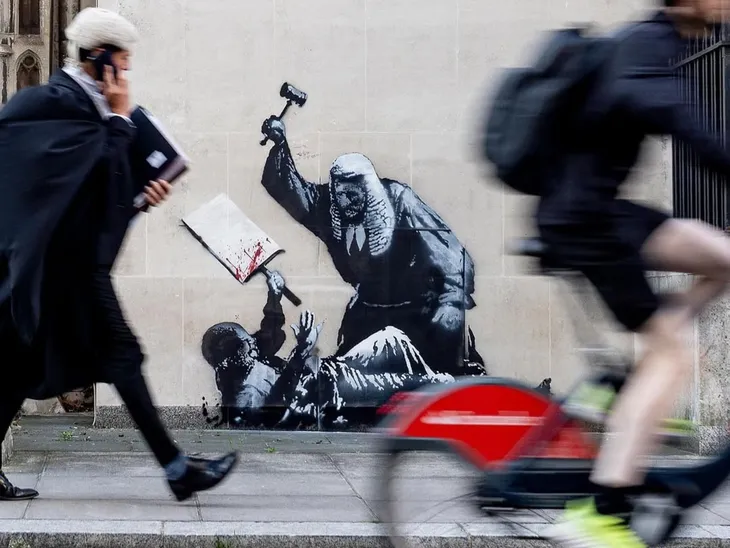
Anonymity may be ending, but the myth remains.
London, March 2026. Banksy’s identity has long functioned as one of the most durable myths in contemporary art, a form of strategic invisibility that amplified the force of the work as much as the work itself. Now that renewed efforts have pushed his supposed name back into international headlines, the question is no longer only who he is, but what changes if the mystery is finally breached with greater certainty. A major investigation has again tied the elusive street artist to Robin Gunningham, the Bristol born figure who has circulated for years as the most persistent candidate behind the pseudonym. What once lived mainly as rumor is now being reframed through documentary evidence, travel records, and older police material, giving fresh institutional weight to a theory that has shadowed Banksy’s career for nearly two decades.
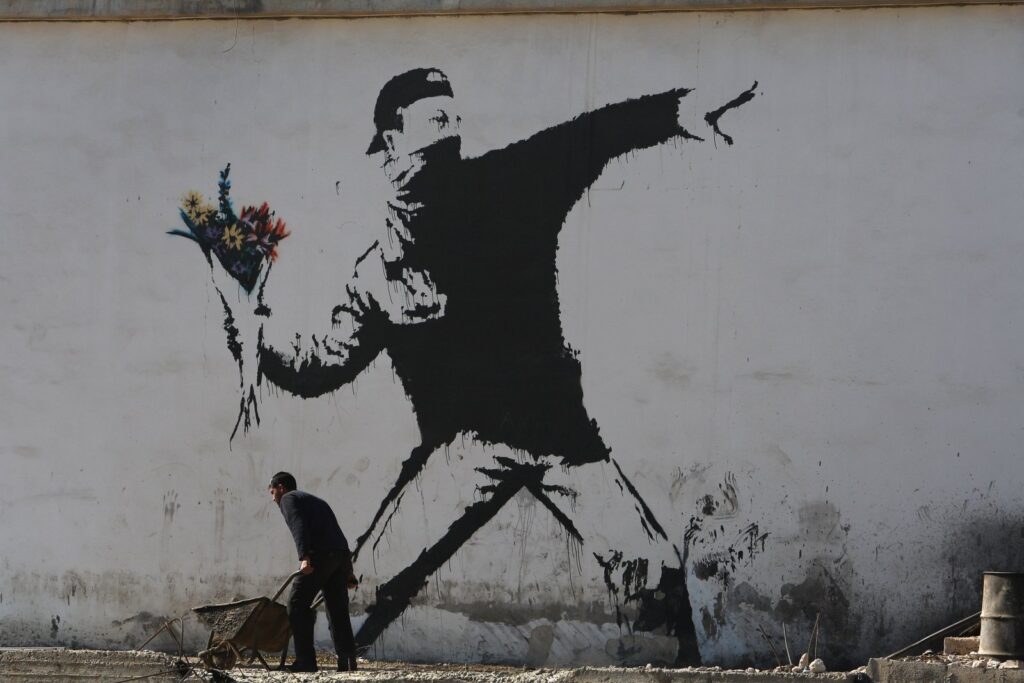
The significance of that shift lies in the way Banksy built his cultural power. He did not become globally iconic simply because of spray paint, stencils, or urban provocation. He became iconic because his work arrived detached from conventional authorship. Murals appeared on walls with the force of intervention rather than promotion, and that distance from ordinary artistic visibility helped create a public aura few contemporary creators have matched. The hidden identity was never a side detail. It was part of the architecture of the brand, part of the reason the art could move so easily between subversion, spectacle, and market value.
The latest reporting places Robin Gunningham once again at the center of that architecture. The case reportedly draws on police and court documents linked to an arrest in New York in 2000, as well as evidence tied to later movements under another legal name. The broader narrative also reconnects Banksy to Bristol’s graffiti scene in the 1990s and to a longer chain of reporting that had already pointed toward Gunningham as early as 2008. What is new is not the existence of suspicion, but the cumulative density of the evidence now attached to it. The figure once treated as a likely candidate is being described with more procedural confidence.
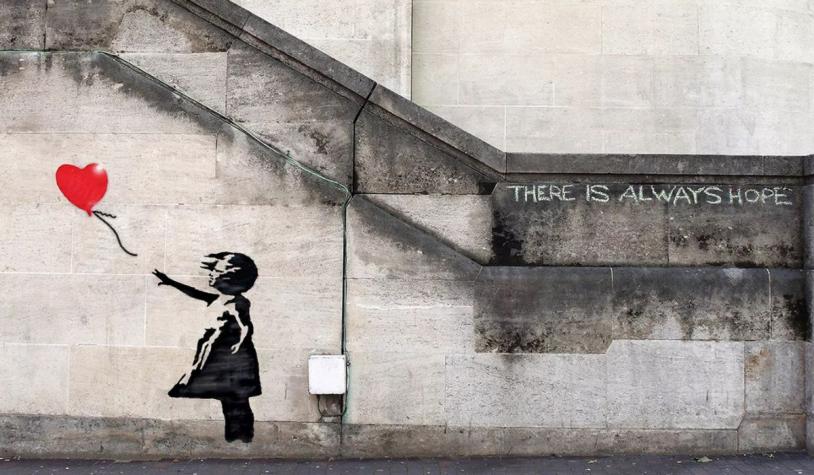
Yet even if the identification proves persuasive, the practical impact may be more limited than outsiders expect. In the art market, Banksy’s value has never depended solely on biographical transparency. Collectors, dealers, and audiences have largely bought into the work, the gesture, and the mythology surrounding it rather than waiting for an official unmasking. That is why many in the market do not appear to view the renewed identification effort as a destabilizing event. The commercial history of Banksy’s work shows that demand has risen and fallen according to wider market cycles, online sales dynamics, and the changing appetite for contemporary art, not merely according to speculation over his real name.
That does not mean identity is irrelevant. It means its role has always been symbolic before it was financial. Banksy’s anonymity created a rare tension inside contemporary culture: mass recognition without personal exposure, global fame without conventional celebrity access. In a world structured around visibility, that refusal made him seem more powerful, not less. To reveal the man behind the stencil is therefore to risk reducing a collective fiction into a biographical file. Some will see that as closure. Others will see it as a loss, not because the art changes, but because the conditions under which it was received begin to shift.
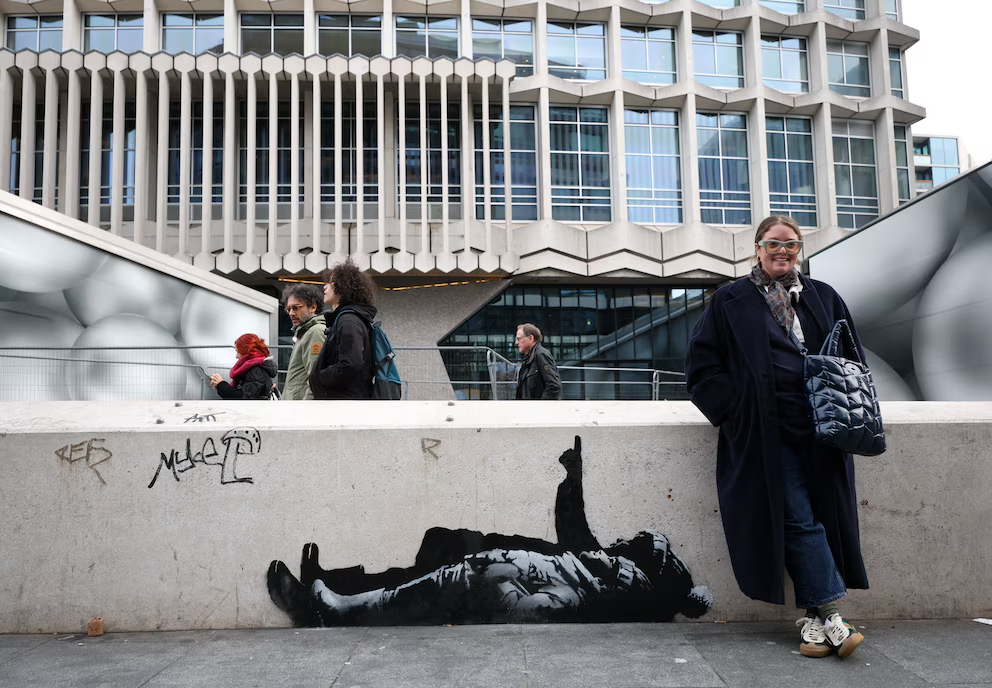
There is also a legal and historical dimension. If a stronger public consensus forms around Gunningham, it could reshape future discussions around authorship, authentication, provenance, and control of legacy. It may also affect how previous episodes in Banksy’s career are reconstructed, from street actions to international installations. But even here, the effect may be uneven. The artist’s mythology has been built over so many years, across so many interventions, that it is no longer carried by secrecy alone. The anonymity helped build the legend. It may not be enough, by itself, to undo it.
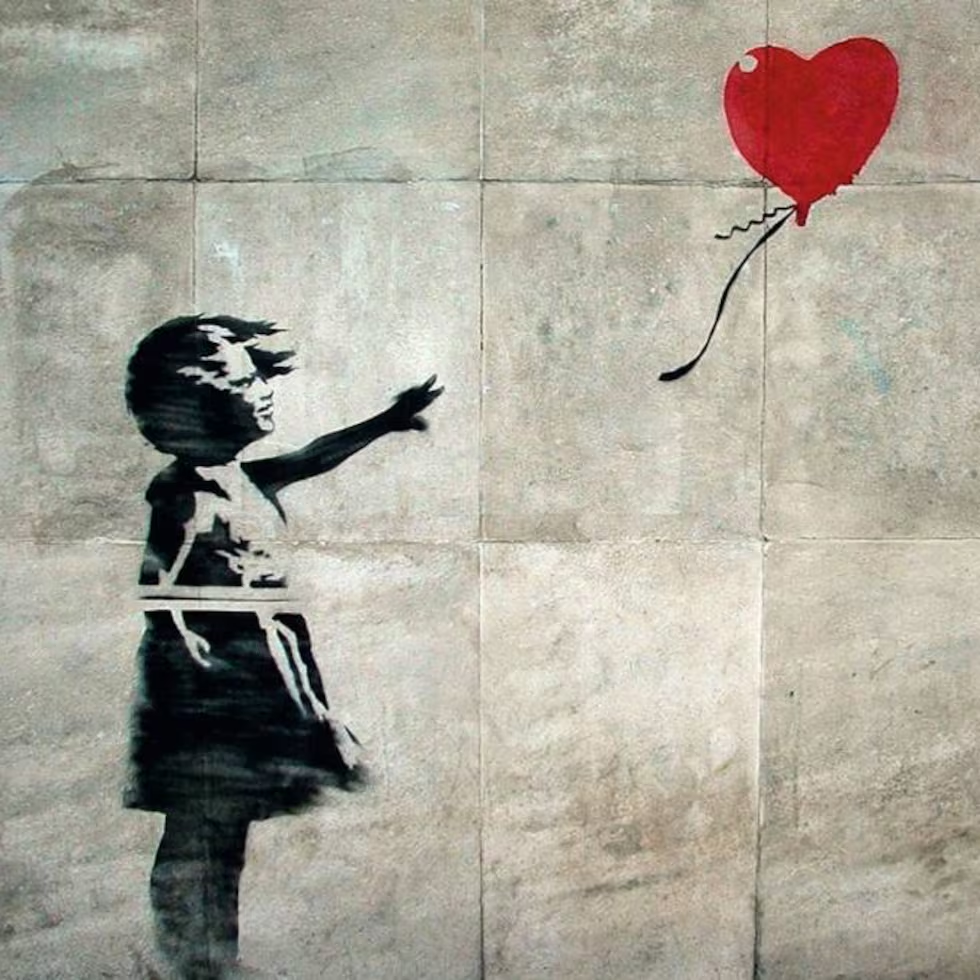
In cultural terms, what this moment exposes is the modern obsession with decoding the creator behind the work. The public is often less satisfied by ambiguity than the art itself may warrant. Banksy’s long concealment challenged that instinct by suggesting that authorship could remain unstable while meaning remained powerful. The renewed attempt to identify him therefore says as much about the audience as it does about the artist. Contemporary culture still wants revelation, still wants the hidden face, still wants the final answer that turns enigma into information.
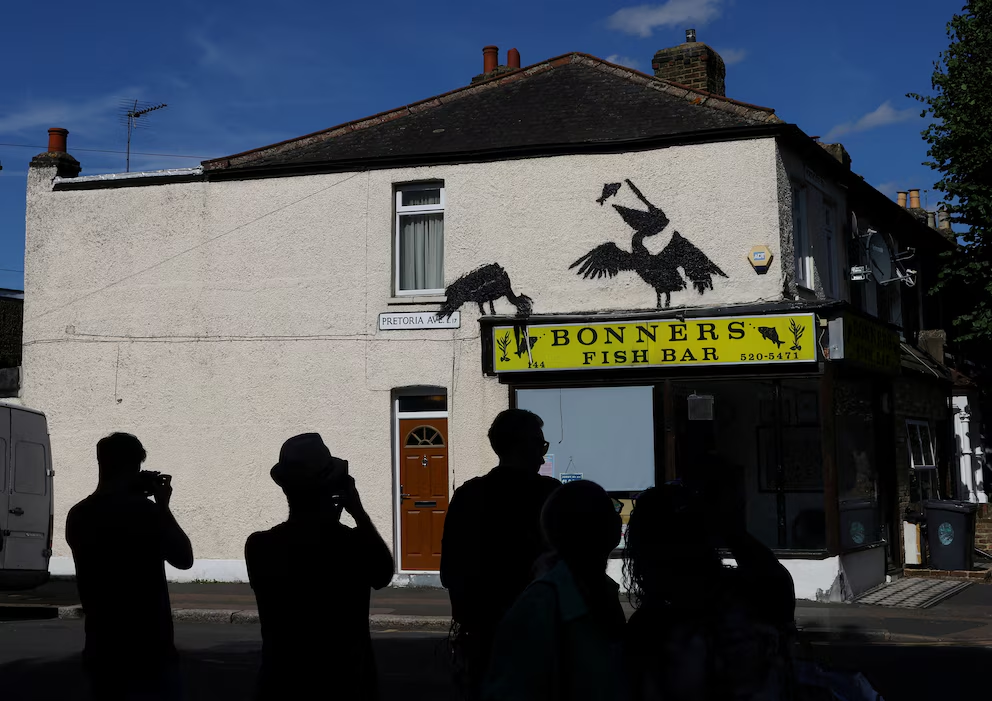
And yet Banksy’s real achievement may be that even if the answer is now closer than before, the mystery has already done its work. The anonymity changed how the art was seen, how the streets were read, and how subversion was packaged for a global age. Names can settle biographies.
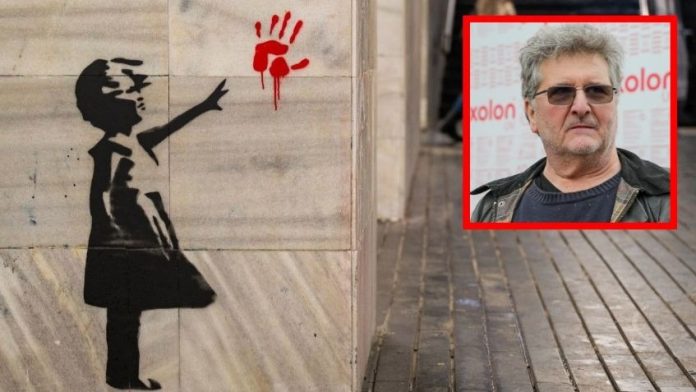
They do not always settle myths. Banksy may be entering a new phase of exposure, but the larger cultural machinery he created through absence is unlikely to disappear so easily.
Detrás de cada dato, hay una intención. Detrás de cada silencio, una estructura. / Behind every datum, there is an intention. Behind every silence, a structure.