

 Phoenix 24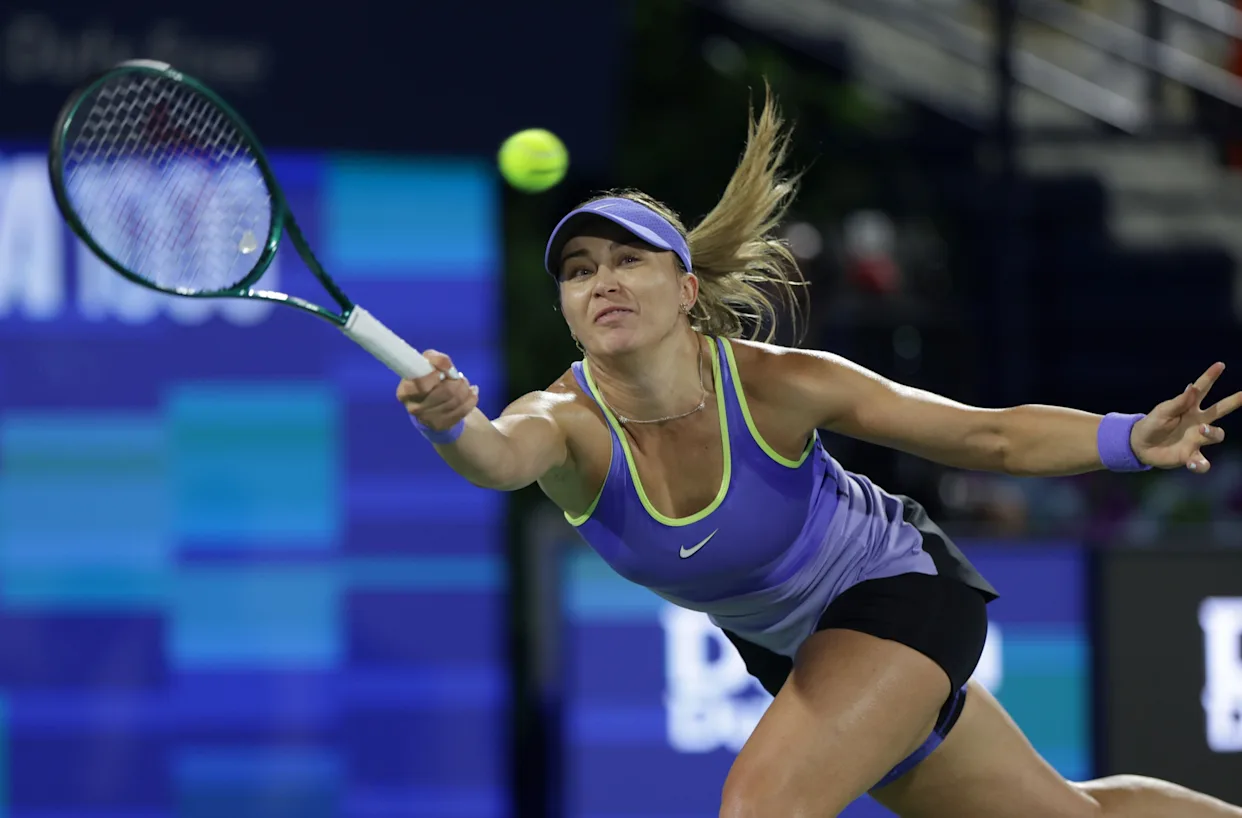
The comeback is starting to look competitive again.
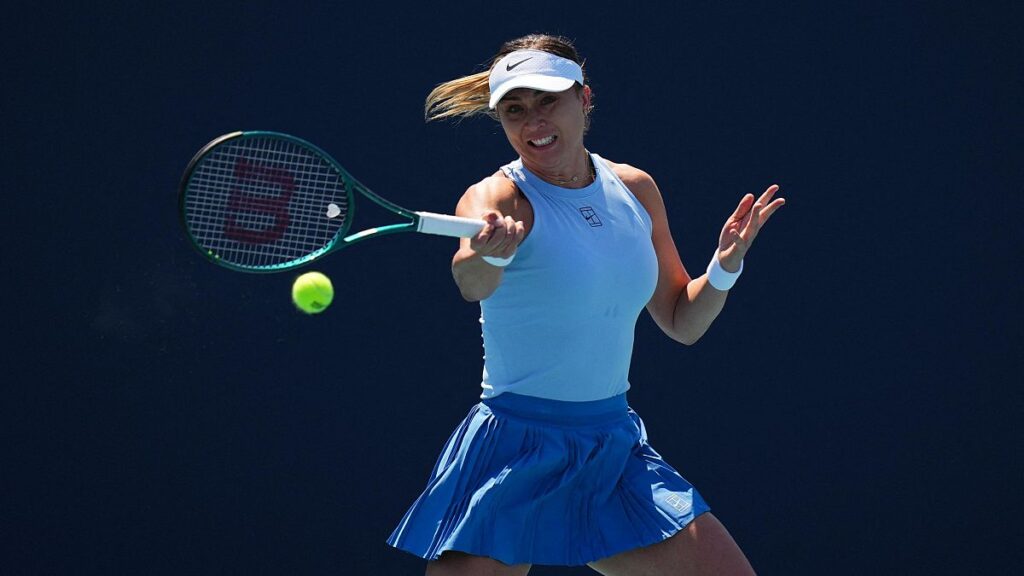
Miami, March 2026. Paula Badosa has reopened her campaign in Miami with the kind of victory that matters beyond the scoreboard. After a difficult stretch shaped by injuries, interrupted rhythm, and the fragile psychology of rebuilding form on tour, the Spanish player returned to the court and delivered a straight sets win over Aliaksandra Sasnovich. On paper, it was an opening round result. In competitive terms, it felt more like a signal that Badosa is once again trying to turn survival into momentum.
The result carried weight because Miami arrived at a delicate point in her season. Badosa had recently fought her way back toward the Top 100 and entered the tournament still surrounded by questions about continuity, confidence, and physical durability. A first round victory in a WTA 1000 event does not erase those doubts entirely, but it does alter the tone. It suggests that her game is no longer operating only in recovery mode. It is beginning to reassert itself in an environment where the margin for hesitation is brutally small.

What stood out was not only the win, but the manner in which it came. Badosa handled a match that required control, patience, and enough aggression to prevent Sasnovich from dictating the rhythm. That balance has often been the difference in her career between isolated flashes and sustained pressure. When Badosa is able to combine weight from the baseline with emotional steadiness, she becomes a problem for almost anyone on hard courts. Miami, at least for one afternoon, offered a reminder of that older version of her game.
The symbolism is difficult to ignore. Badosa has spent recent seasons moving through the uncomfortable territory between reputation and uncertainty, carrying the memory of elite level tennis while trying to prove that her body and ranking can once again support it. Players in that zone are often judged too quickly. A loss confirms decline. A win invites caution. But what matters more is pattern, and Miami may be the beginning of one worth watching. She did not simply survive the opening. She imposed enough authority to make the result feel constructive rather than accidental.
There is also a strategic opportunity here. The spring hard court calendar has always offered Badosa conditions in which her ball striking can become especially damaging, provided she is healthy enough to trust her movement and absorb long exchanges. If that trust begins to return, then her ranking may soon stop reflecting her true threat level. That is often the moment when a player becomes especially dangerous: when the draw still sees a number, but the court begins to reveal something else.
For Spanish tennis, the timing is welcome. In a circuit increasingly defined by youth surges, physical intensity, and compressed margins, Badosa remains one of the few players capable of combining power, tactical intelligence, and star level presence when fully engaged. Her challenge has never been talent alone. It has been continuity. Miami therefore matters less as a single victory and more as a test of whether she can now link matches, absorb pressure, and recover the weekly competitiveness that elite tennis demands.
The next rounds will reveal whether this was a clean start or the first real sign of a stronger return. But the mood around the win is already different from that of a routine opener. Badosa did not just advance. She reminded the field that her name still carries competitive meaning, and that the road back, while incomplete, is no longer invisible.
In tennis, revival rarely arrives with grand declarations. It begins with timing, with control, with one match that looks ordinary from a distance and much more significant up close. That may be exactly what Miami has just given Paula Badosa.
Detrás de cada dato, hay una intención. Detrás de cada silencio, una estructura. / Behind every datum, there is an intention. Behind every silence, a structure.