

 Phoenix 24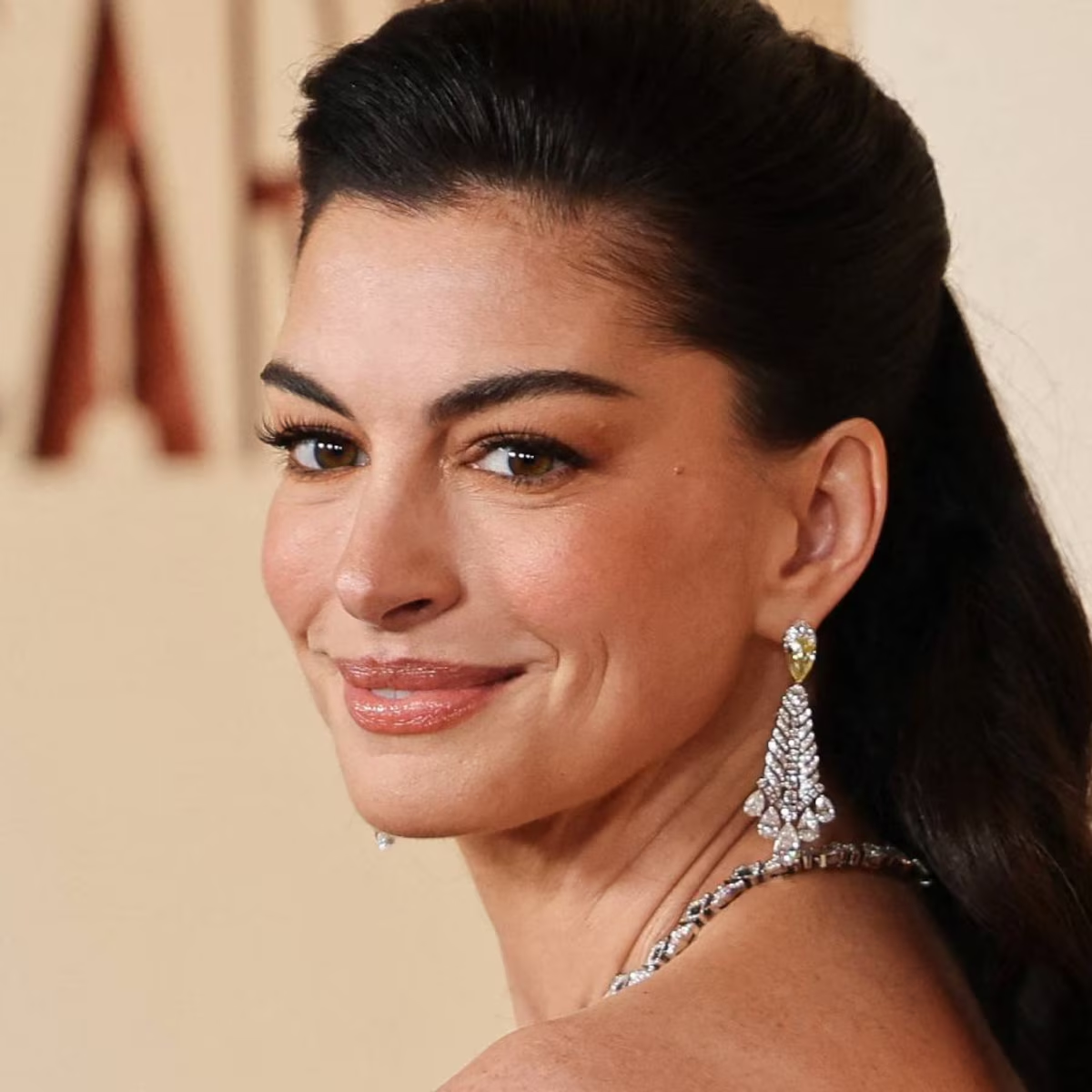
The reaction became part of the performance.
Los Angeles, March 2026
Anne Hathaway responded with humor after new criticism around her appearance resurfaced following her recent presence at the Academy Awards, where she shared the stage in a moment that quickly drew attention across entertainment media and social platforms. What might have remained a routine red carpet conversation turned instead into another example of how female celebrities continue to face intense public scrutiny over their faces, age and physical image.
The latest wave of commentary followed Hathaway’s Oscar appearance, where her look became the subject of speculation online. As often happens in celebrity culture, discussion moved quickly away from performance, film or stage presence and toward interpretations of whether her face looked different, whether cosmetic work was involved and what that might supposedly reveal about aging in Hollywood. The speed of that shift showed how easily the conversation around actresses can be redirected from professional relevance to visual surveillance.
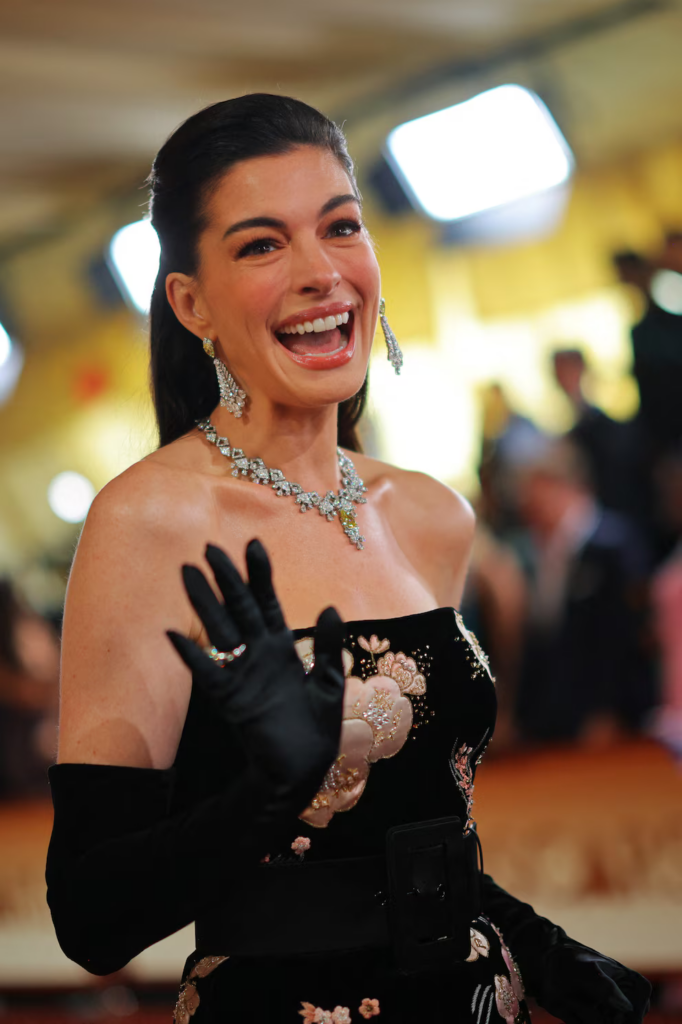
Hathaway chose not to engage with the criticism in a defensive tone. Instead, she leaned into humor, reportedly making a playful reference that connected the moment to The Witches and the figure of the Grand High Witch. That response allowed her to deflect the fixation without fully legitimizing it, turning the commentary into a joke rather than a public dispute. In celebrity image management, that kind of answer often functions as a way to regain control of the narrative without deepening the controversy.
The episode fits a familiar pattern in contemporary entertainment culture. Women in the public eye are frequently judged through a contradictory standard in which visible aging is criticized, but any suggestion of aesthetic intervention is also treated with suspicion or mockery. The result is a cycle in which appearance becomes a permanent site of scrutiny, especially after high-visibility events such as award ceremonies, premieres or fashion appearances.
In Hathaway’s case, the attention was amplified by the symbolic weight of the Oscars themselves. Major awards shows do not simply showcase film industry recognition. They also operate as stages of image comparison, where every appearance is examined for style, youthfulness, change and composure. For actresses with long careers, that scrutiny often becomes inseparable from broader cultural expectations about how women are supposed to age in public.
What stands out here is not only the criticism itself, but the way Hathaway responded. By meeting the speculation with irony, she avoided giving the controversy more gravity than it deserved while still acknowledging the atmosphere surrounding it. That approach helped reframe the episode as a reflection of celebrity culture’s excesses rather than as a personal crisis requiring clarification or apology.
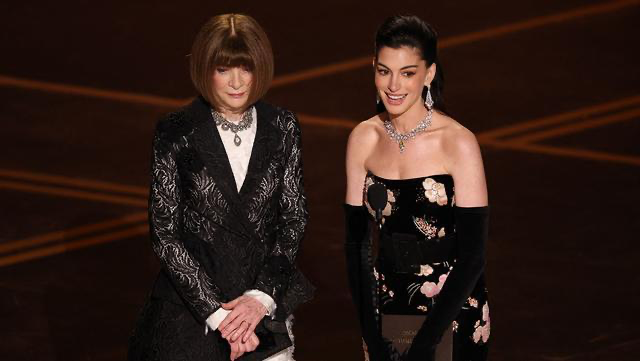
The reaction also reveals how persistent these debates remain, even for performers whose careers are defined far more by consistency and range than by manufactured scandal. Hathaway has spent years moving between prestige film, mainstream visibility and a relatively controlled public profile, yet even that kind of career does not shield an actress from the recurring obsession with facial change and aging. In that sense, the episode says as much about the audience and the media ecosystem as it does about the celebrity involved.
For now, the moment leaves a familiar conclusion. Anne Hathaway’s Oscar appearance became another case in which a woman’s face was treated as a public text to be decoded, debated and judged. Her decision to answer with humor did not end that pattern, but it did expose its absurdity with unusual clarity.
Phoenix24: journalism without borders. / Phoenix24: journalism without borders.