

 Phoenix 24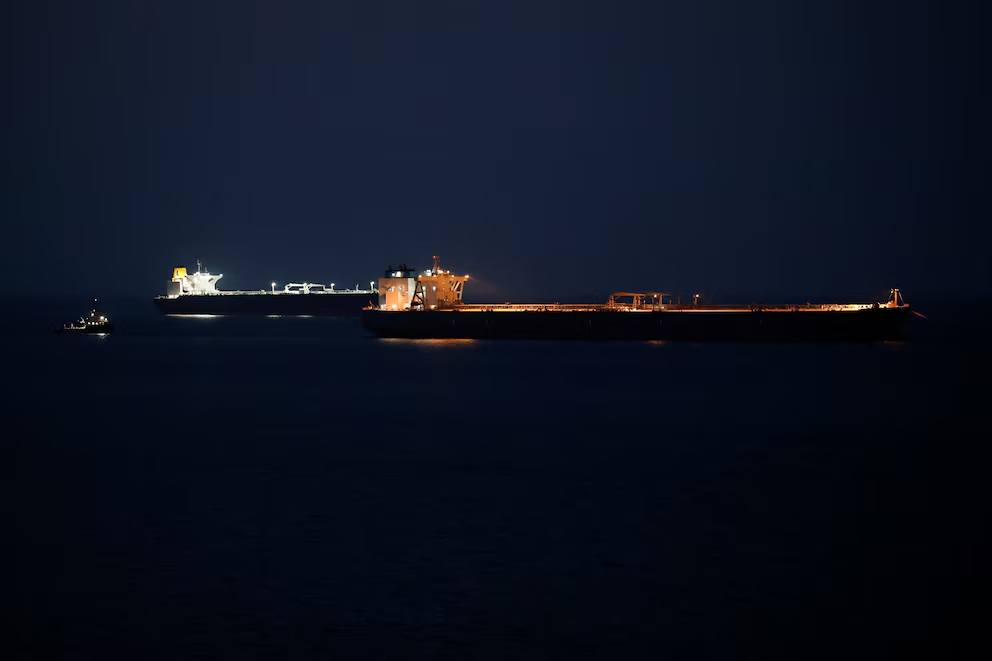
Shipping is now trapped by the war.
London, March 2026
The International Maritime Organization has moved to support the creation of a safe maritime corridor to evacuate roughly 20,000 seafarers stranded in the Persian Gulf, as the war involving the United States, Israel and Iran continues to disrupt one of the world’s most strategically exposed shipping zones. The proposal emerged during emergency talks in London after hundreds of vessels were left anchored or unable to move safely through the Strait of Hormuz under escalating threat conditions.
The scale of the problem has turned a shipping disruption into a humanitarian and operational crisis. According to current reporting and statements tied to the emergency discussions, thousands of crew members remain stuck aboard commercial vessels in or near the Gulf, with many unable to rotate out, leave the area or resume normal passage. The corridor proposal is meant to create a controlled route that would allow ships carrying stranded seafarers to exit more safely from a region increasingly defined by missile threats, maritime страх and suspended commercial movement.
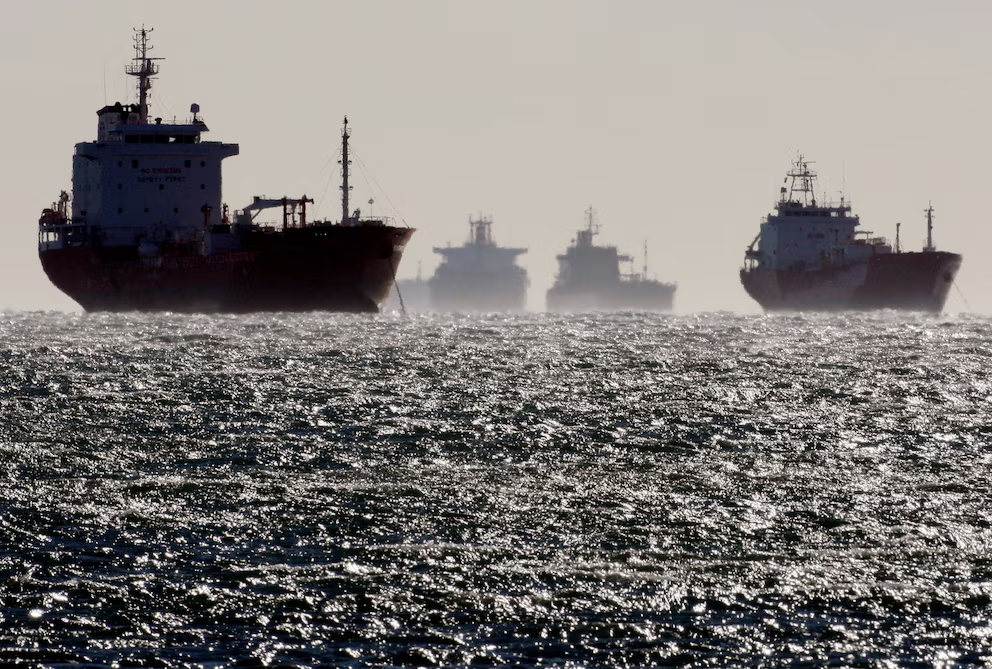
What makes the situation especially serious is that the seafarers involved are not combatants, yet they are bearing direct exposure to a war zone. Commercial shipping crews have been left operating under extreme uncertainty as the conflict has pushed insurers, shipowners and governments to reconsider passage through the Gulf. In practice, many ships have remained stationary rather than risk transit under conditions where attacks or interceptions are seen as plausible.
The IMO’s intervention reflects how quickly the regional war has spread beyond military targets and energy infrastructure into the wider mechanics of global trade. The Strait of Hormuz is one of the most important maritime chokepoints in the world, and any disruption there immediately affects not only oil and gas flows, but also crew safety, insurance costs and the basic continuity of merchant shipping. The proposed corridor therefore addresses both a humanitarian emergency and a threat to the broader shipping system.
The urgency has been building for days. Earlier warnings had already indicated that around 20,000 seafarers and thousands of passengers were effectively blocked in the Gulf after the paralysis of maritime traffic. As the conflict intensified, the inability to conduct normal crew changes or safe departures transformed that disruption into a more acute maritime labor crisis. For many of those onboard, the issue is no longer just delay, but prolonged exposure to danger with no predictable exit.
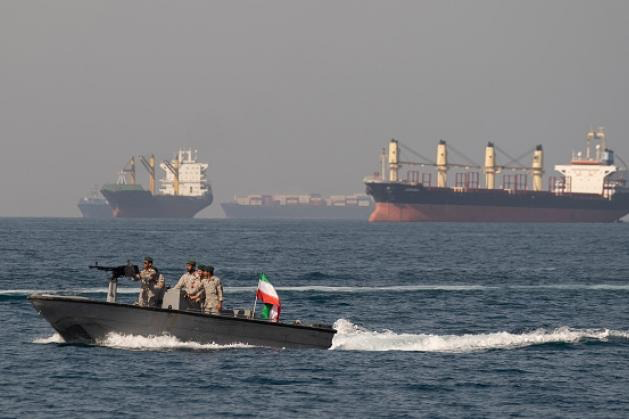
The proposal itself does not eliminate the wider strategic risk. A safe corridor would still depend on political coordination, operational guarantees and some degree of restraint in a region where trust has collapsed and shipping has become entangled with war calculations. But it does signal that the international maritime system is trying to create a minimal buffer between civilian crews and the expanding violence around them.
There is also a broader institutional message in the move. By elevating the situation to an extraordinary session, the IMO is effectively recognizing that the current conditions in the Gulf exceed normal commercial risk and require emergency multilateral attention. That shifts the stranded crews from being seen as an unfortunate byproduct of regional instability to being treated as a priority international safety issue.
For now, the core reality is stark. Thousands of seafarers remain trapped in one of the world’s most volatile maritime corridors, and the shipping system is struggling to separate civilian movement from the logic of war. The IMO proposal is an attempt to carve out that distinction before the human cost rises further.
Each silence speaks. / Every silence speaks.