

 Phoenix 24
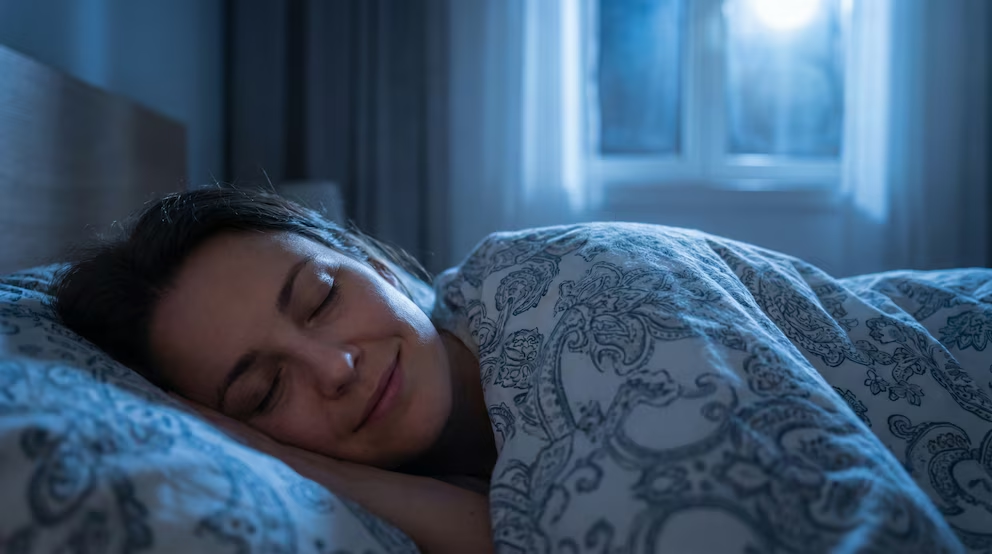
Better sleep now comes with hardware.
San Francisco, March 2026. The new generation of sleep gadgets is no longer being marketed as a niche wellness accessory. It is being sold as a domestic control system for one of the most unstable functions of modern life: rest itself. Recent consumer coverage has highlighted a familiar cluster of devices, including sleep trackers, sunrise alarm clocks, white noise machines, weighted blankets, and light blocking tools, as practical solutions for fragmented nights and exhausted mornings. What matters is not simply that these products exist, but that they now sit at the intersection of consumer electronics, behavioral health, and self optimization culture. Sleep, once treated as passive recovery, is increasingly being reframed as something measurable, correctable, and continuously engineered.
That shift reveals a larger pattern in digital life. People are not just buying comfort. They are buying feedback loops. Wearables and ring based trackers promise insight into sleep stages, readiness scores, overnight heart rate trends, and nightly disruptions, turning the bedroom into a quiet extension of the quantified self. The appeal is obvious. For exhausted professionals, anxious students, and permanently stimulated urban users, sleep no longer feels reliable enough to leave unobserved. Devices step into that uncertainty by offering data where people once relied on intuition. The rise of biometric sleep monitoring shows how deeply the logic of optimization has entered the most intimate corners of everyday life.
Yet the market’s logic is moving faster than the science in some categories. Sound masking devices and white noise machines remain popular because they offer immediate sensory relief, especially in noisy environments. For many users, that is enough. But popularity does not always equal universal efficacy. Some tools work best under specific conditions, while others offer partial improvement rather than transformation. That does not make them useless. It means they sit in a familiar consumer health zone: plausible, helpful for some users, but not a definitive answer for everyone. The gap between marketing certainty and physiological reality is where much of sleep tech now operates.
Weighted blankets tell a similar story. They have become one of the most visible sleep adjacent products because they promise calm through pressure rather than through software. Their attraction lies partly in simplicity. No dashboard, no app, no subscription logic, just a tactile intervention aimed at reducing tension. For some people, that can genuinely improve the transition into sleep. Still, their usefulness appears conditional rather than universal. What helps a stressed adult may do little for someone whose sleep disruption is rooted in chronic anxiety, circadian misalignment, environmental overstimulation, or an underlying medical issue. The sleep gadget economy often compresses these very different problems into one marketable promise.
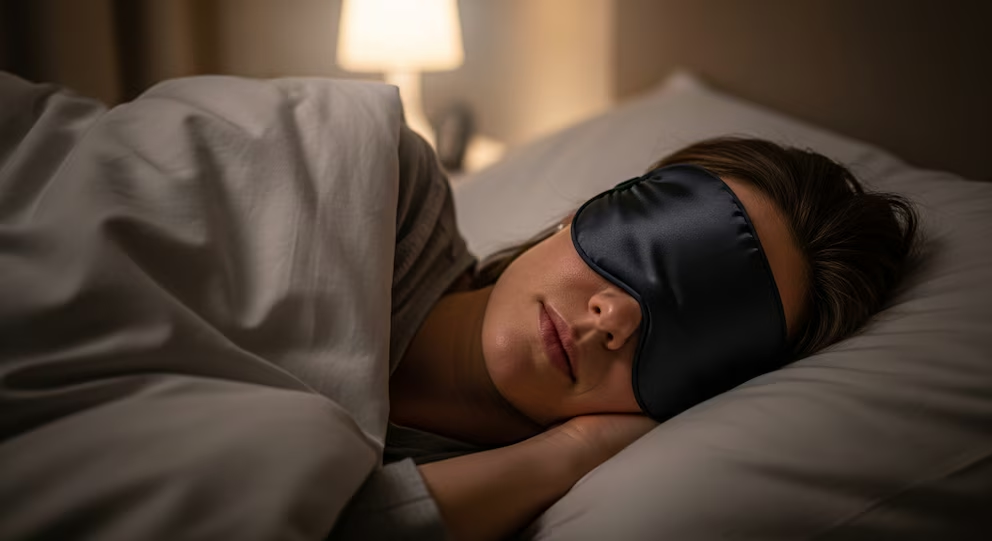
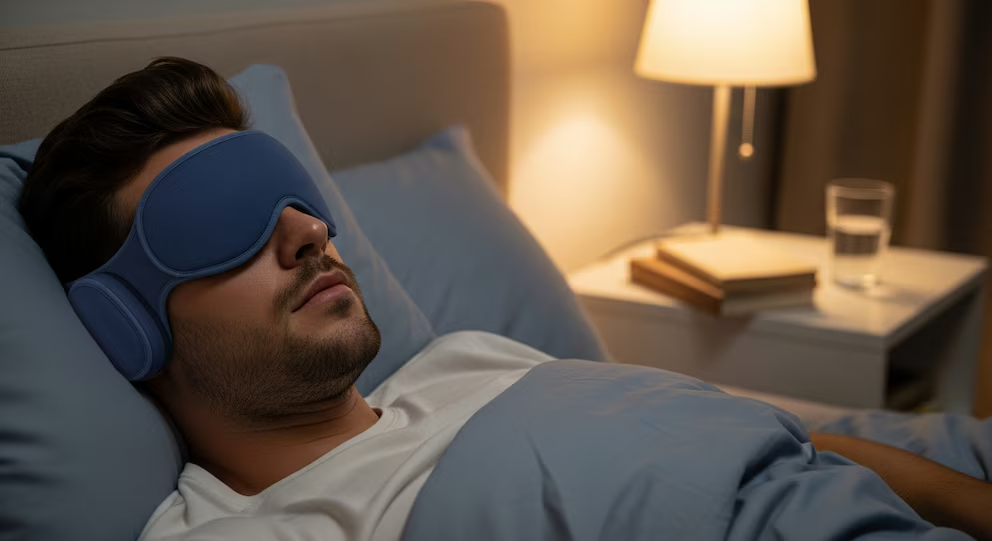
The more revealing devices, however, may be the ones that shape light and routine rather than simply monitor the body. Sunrise alarms, sleep masks, and ambient light controls reflect an older principle dressed in newer design language: circadian regulation. Their popularity suggests something structurally important. The sleep tech market is not driven only by obsession with numbers. It is also driven by a widespread inability to preserve darkness, quiet, and schedule consistency inside ordinary life. When someone needs a gadget to simulate sunrise or block urban glare, the product is solving not just biology but a failure of habitat. Modern life has made natural sleep conditions feel increasingly artificial.
That is why the rise of sleep gadgets should not be read only as a story about personal improvement. It is also a story about the conditions that made such improvement marketable. Hyperconnectivity, late screen exposure, irregular work rhythms, ambient noise, and chronic stress have all helped create a population willing to outsource rest to devices. The irony is difficult to miss. The foundations of better sleep often remain stubbornly low tech: routine, darkness, reduced stimulation, temperature control, and behavioral discipline. The gadgets arrive after those conditions break down, or sometimes instead of confronting the breakdown directly. They offer structure when habit collapses, but they also monetize the collapse itself.
This does not mean the devices are trivial. Some are clearly useful. Some may help people identify patterns they would otherwise miss. Others can reduce enough friction to create a meaningful improvement over time. But the broader cultural signal is harder to ignore. Sleep technology is becoming a mirror of a society that no longer trusts rest to happen naturally. What once depended on rhythm, environment, and bodily intuition is now increasingly mediated by dashboards, sensors, soundscapes, and weighted materials designed to simulate calm. The industry calls that innovation. It may be. It is also a quiet admission that modern life has turned one of the most human functions into something that increasingly feels in need of technical repair.
Narrative is power too. / Narrative is power too.