

 Phoenix 24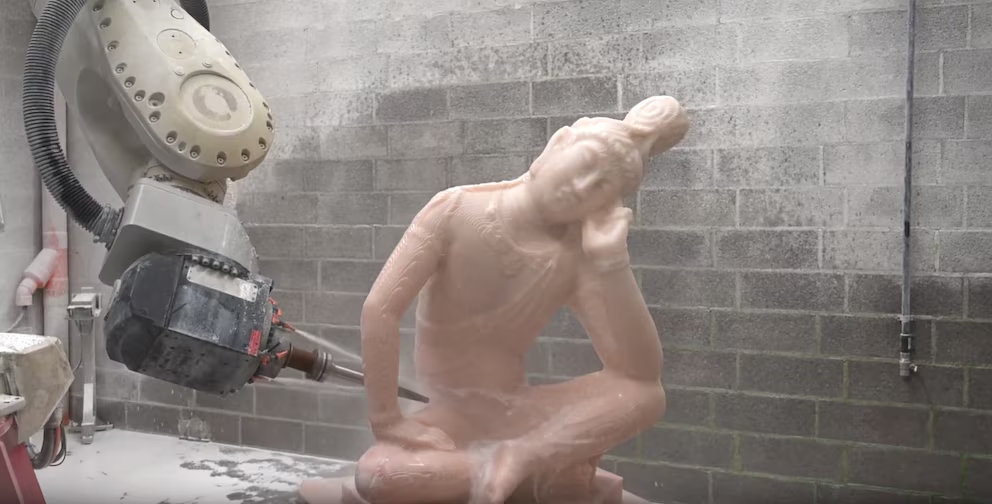
Tradition survives by learning new hands.
Chicago, March 2026
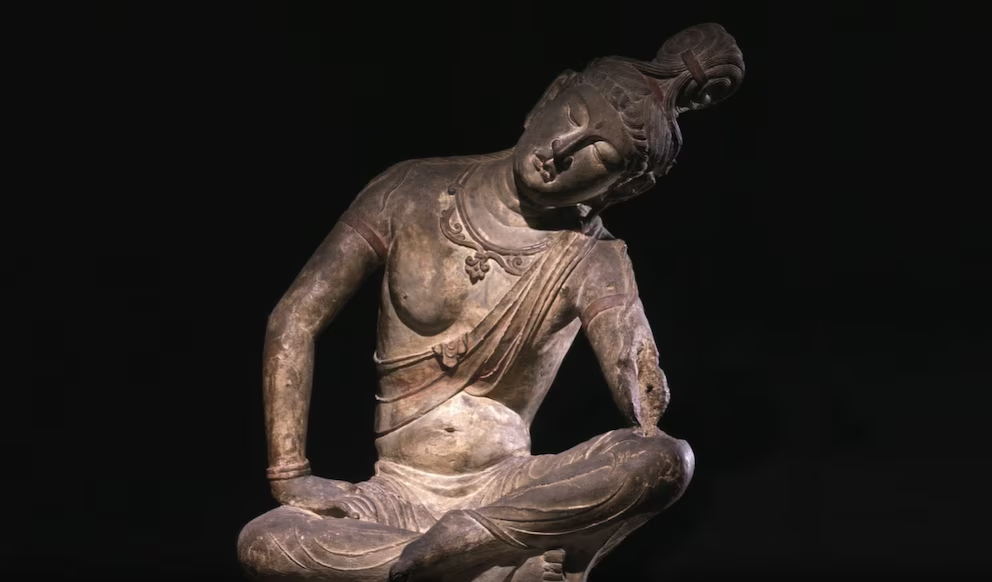
An ancient object can sit in a museum for centuries and still be unfinished in the eyes of the present. That is the wager behind a new Chicago project that places robotics and classical sculpture in direct conversation, not as a gimmick, but as a method for testing how cultural heritage is reconstructed, physically and morally, in the age of advanced manufacturing. The premise is deceptively simple: a Tang dynasty-era bodhisattva sculpture in the collection of the Art Institute of Chicago has long been missing a crucial element, an arm, leaving scholars and viewers with an elegant fragment and an unresolved gesture. Rather than pretending the loss does not matter, the project treats the absence as a question that modern tools can help illuminate.
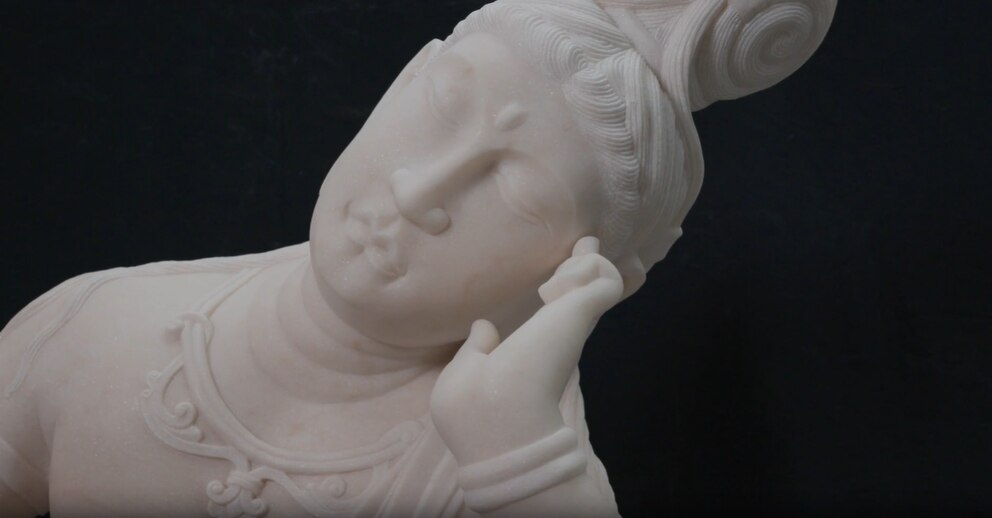
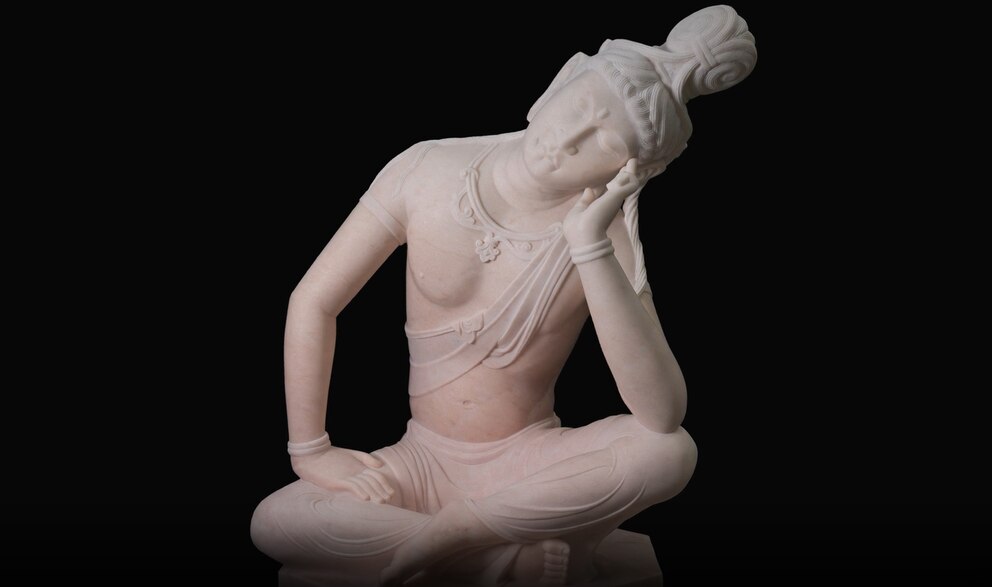
What is unfolding is not restoration in the old sense of quietly repairing damage until the repair disappears. It is closer to a public reconstruction exercise where the museum acknowledges that there may be more than one plausible answer, and where the making of alternatives becomes part of the interpretation. The team behind the initiative studied comparable sculptures across Asia to develop historically grounded possibilities for the missing hand and its relationship to the figure’s posture. The result is not one “correct” completion but multiple versions, each defensible, each provisional, and each revealing something different about how we assign certainty to the past.
Robotics enters here as a discipline of precision rather than as a replacement for craftsmanship. Modern fabrication can translate hypotheses into form with a level of repeatability that makes comparison possible. When you can build two competing reconstructions with consistent tolerances, the debate becomes clearer: which gesture aligns with known iconography, which changes the emotional reading of the face, which alters the line of the neck and shoulder, which makes the figure feel contemplative rather than performative. The robot is not the author. It is the instrument that allows authorship to be tested, and that distinction matters in a cultural moment where the fear of “machine-made art” often collapses nuance into anxiety.
This is also why the project resonates beyond Buddhist art or one museum’s collection. It is a case study in how institutions are adapting to a new public expectation: transparency about uncertainty. For decades, museums tended to project authority by presenting objects as settled facts, labeled, categorized, complete in meaning even when physically incomplete. The contemporary audience is less interested in that performance of finality. People want to see how knowledge is produced, how decisions are made, what is assumed, and what remains unknown. By presenting multiple reconstructions, the institution is implicitly admitting that heritage is not only inherited. It is negotiated.
The choice to stage the dialogue through sculpture, rather than through text alone, is important. Many debates about authenticity remain abstract until you see how a different hand position changes the entire body’s psychology. In classical sculpture, gesture is never a detail. It is the anchor of intention. A bodhisattva’s missing arm is not just missing stone. It is missing meaning, a direction of compassion, a posture of teaching, a moment of inwardness. Reconstructing that gesture is therefore not neutral. It creates a new narrative, and narratives, once they exist in physical form, exert force on how viewers remember the original.
Chicago’s role in the story is not incidental either. The city’s museum culture has long been comfortable with experimentation that sits between scholarship and contemporary practice, and the Art Institute’s ability to convene cross-disciplinary work gives this kind of hybrid project legitimacy. It also reflects a broader pattern in major museums: the willingness to treat technology as part of conservation and interpretation rather than as an external add-on. The most successful institutions are not asking whether robotics belongs in art. They are asking what robotics reveals about art when used with restraint and intellectual honesty.
There is, however, a tension that makes this work politically sensitive. Restoration has a history of overreach, especially when modern hands attempted to “complete” ancient objects according to the aesthetic preferences of their own era. Many museums have spent decades correcting earlier restorations that were too confident, too smoothing, too eager to erase loss. A robotics-enabled reconstruction can accidentally repeat that mistake if it is presented as definitive rather than exploratory. The strongest version of this project avoids that trap by foregrounding provisionality: these are plausible gestures, not final answers, and the viewer is invited into the decision space rather than pushed out of it.
This matters because the future of museum authority may depend on how well institutions handle exactly this type of uncertainty. Cultural heritage is increasingly contested, questioned, reattributed, repatriated, and reevaluated through new ethical standards. The old model of the museum as a temple of fixed truth is under strain. Projects like this offer a different model: the museum as a laboratory where history is respected, but not frozen. In that laboratory, robotics is less about spectacle and more about accountability, making visible what is often hidden, the chain of reasoning that turns scholarship into a physical claim.
The deeper question behind the Chicago experiment is not whether robots can sculpt. It is who gets to decide what counts as “whole.” An ancient sculpture survives time with scars, breaks, absences, and those absences are part of its biography. Completing an object can be an act of care, but it can also be an act of control. The project’s most valuable contribution may be that it refuses to collapse care into control. By allowing multiple reconstructions to exist, it treats completeness as a hypothesis, not a decree.
What emerges is a new kind of dialogue between the classical and the computational. The classical brings the burden of continuity, an object that has carried meaning across centuries. The computational brings the ability to test ideas in form, to move from argument to embodiment quickly enough that a museum can show its work. When done well, the result is not the replacement of tradition, but its extension. The ancient sculpture does not lose dignity by being reimagined. It gains a clearer stage for the questions it has always carried quietly: what was lost, what can be known, and what remains forever interpretive.
Lo visible y lo oculto, en contexto. / The visible and the hidden, in context.