

 Phoenix 24
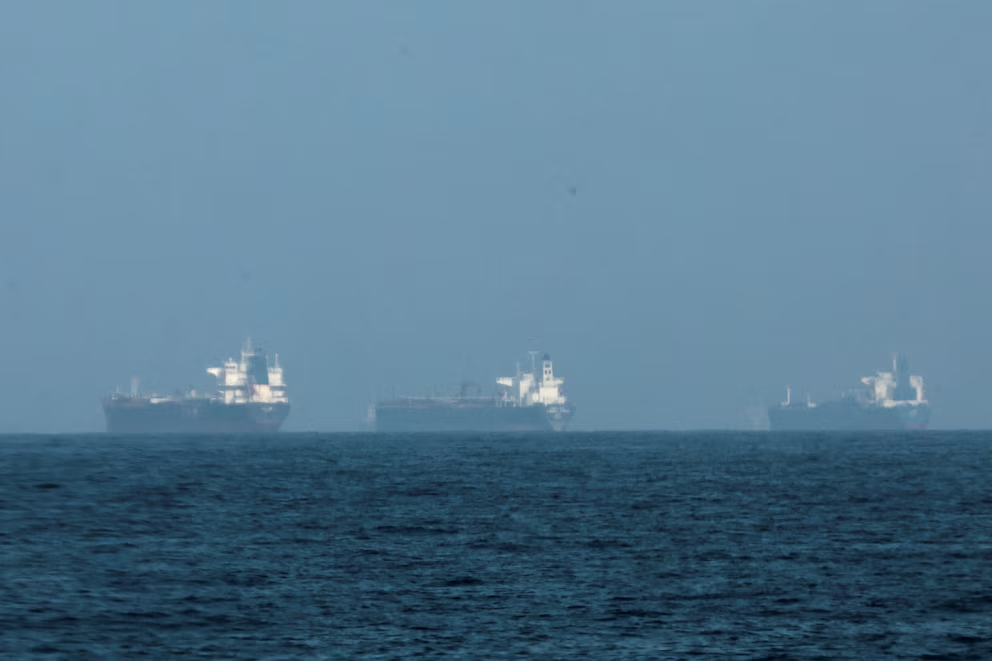
When container lines stop, the market starts pricing duration.
Copenhagen, March 2026
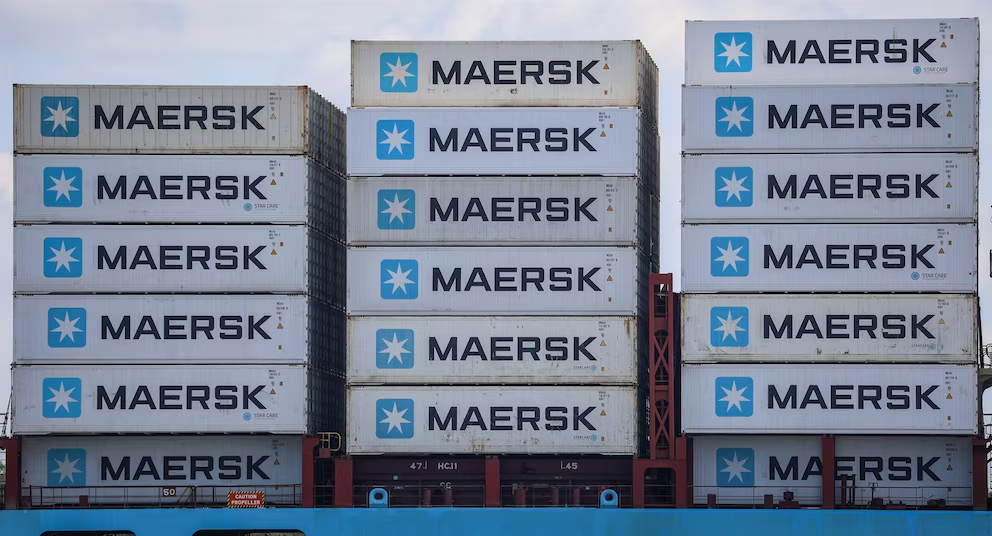
The decision by Maersk and Hapag-Lloyd to suspend maritime transport through the Persian Gulf is not just a defensive move by two major shipping companies. It is a strategic signal that the conflict around Iran has crossed a threshold where commercial navigation is no longer being managed as elevated risk, but as operationally unacceptable exposure. Recent reporting indicates both companies halted vessel crossings through the Strait of Hormuz until further notice, while maintaining some cargo acceptance for the Middle East under revised conditions. That distinction matters because it shows the industry is not shutting demand, but restructuring how and whether demand can be served under wartime constraints. In practical terms, this is how a regional security crisis becomes a global logistics problem.
What makes the decision especially consequential is the role these carriers play in containerized trade networks. Maersk and Hapag-Lloyd are not niche operators. They sit at the center of route planning, schedule reliability, transshipment flows, and freight pricing across multiple regions. When firms of that scale suspend transit through a key maritime corridor, the effects extend far beyond the immediate war zone. Importers and exporters begin facing delays, rerouting costs, schedule uncertainty, and contract friction, while ports and logistics providers must adapt to changing vessel patterns. The market impact is therefore not limited to oil and gas shipping. Container supply chains for consumer goods, industrial inputs, and manufacturing components also begin to absorb the shock.
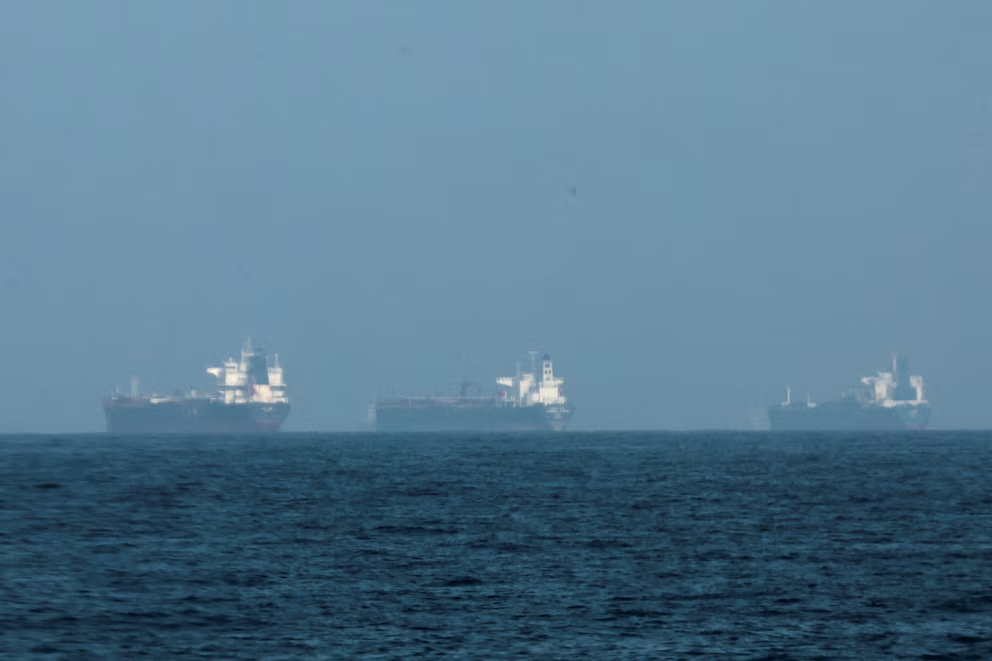
The Strait of Hormuz is a critical pressure point precisely because it concentrates too much risk in too little geography. The corridor handles a major share of global energy flows, but it also shapes confidence across shipping and insurance markets more broadly. Once threats, attacks, or military uncertainty make passage unsafe, the consequences spread through war-risk premiums, crew safety protocols, and insurer decisions that can render transit commercially unviable even before a formal blockade is recognized. This is why suspensions by major carriers matter so much. They are not simply reacting to headlines. They are responding to a breakdown in the basic conditions required for predictable navigation, insurability, and crew protection.
The industry response also reveals a wider pattern of layered disruption. Reporting in recent days has described not only Hormuz-related suspensions, but broader rerouting pressure tied to insecurity affecting surrounding corridors and linked routes. When shipping companies divert vessels or pause transits in one area, they do not just add distance. They also create congestion risk elsewhere, alter equipment availability, and disrupt timetable synchronization across entire service networks. For global trade, this means the cost of conflict is not measured only in damaged ships or closed passages. It is measured in cascading inefficiencies that can take weeks to normalize even after the immediate threat recedes.
There is an important difference between accepting cargo and guaranteeing transit, and this is where many public interpretations become too simplistic. Some carriers may continue to accept bookings to the Middle East while warning that delivery timelines, routing paths, and service conditions can change rapidly. That model allows commercial continuity on paper while shifting uncertainty onto schedules, operational planning, and pricing. For businesses dependent on just-in-time delivery or tight inventory cycles, this uncertainty can be more damaging than a clear stoppage because it complicates planning decisions at every stage. In that sense, the current suspension is not only a transport interruption. It is a predictability crisis.
Europe and Asia are particularly exposed to this dynamic because both regions depend on maritime trade reliability for energy security, industrial production, and consumer supply chains. As freight routes become unstable, the pressure can spill into inflation expectations, manufacturing lead times, and procurement strategy, especially for firms already managing fragile margins. Governments may focus on military escalation and energy headlines, but companies often feel the conflict first through shipping schedules, freight surcharges, and delayed cargo. This is one reason maritime decisions by major carriers function as early warning signals. They reveal when the commercial system has stopped trusting the security environment.
There is also a governance lesson in the carriers’ move. Global shipping firms increasingly operate as de facto risk interpreters in geopolitical crises, translating military volatility into commercial decisions faster than many governments can coordinate formal responses. They do this not because they control the conflict, but because they must make immediate judgments on crew safety, liability, insurance, and route viability. When multiple major carriers converge on suspension decisions, markets read that convergence as a stronger signal than official reassurances. In effect, the private sector becomes a real-time barometer of whether the corridor remains functionally open.
What changes on the wider board is the hierarchy of vulnerability in global trade. The suspension of shipping by Maersk and Hapag-Lloyd in the Persian Gulf confirms that the current Iran-related crisis is no longer an energy story alone. It is now a system-level logistics event with consequences for container trade, pricing, delivery reliability, and corporate risk planning across regions. The immediate trigger may be war, but the deeper pattern is structural: modern commerce remains deeply dependent on maritime chokepoints, and when confidence collapses in one of them, the shock travels faster than the ships.
The truth is structure, not noise. / Truth is structure, not noise.