

 Phoenix 24
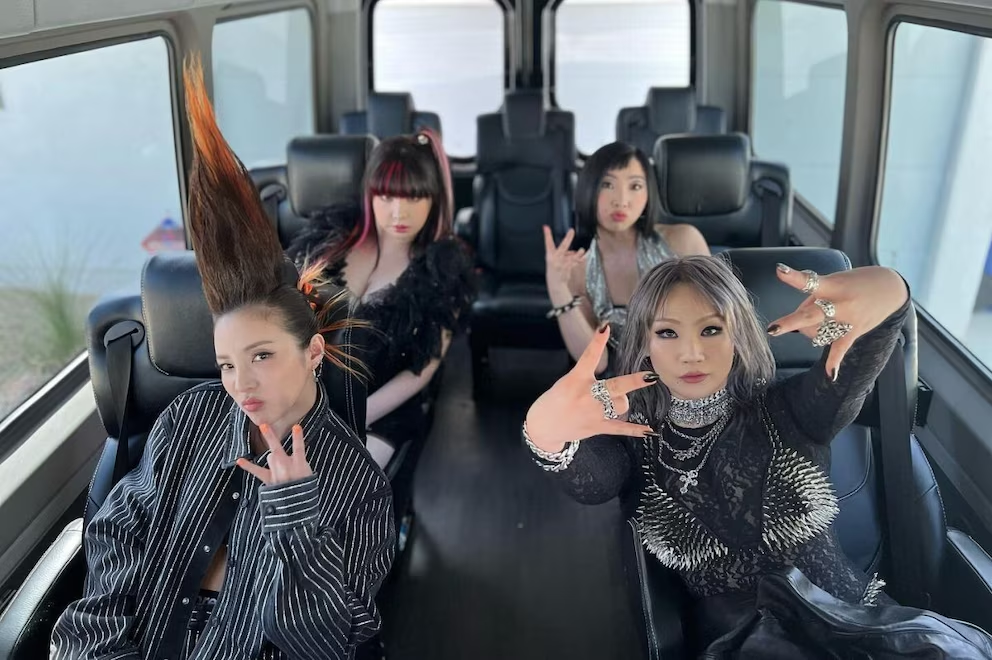
In K-pop, unresolved history rarely stays buried.
Seoul, March 2026
The public dispute between Park Bom and Sandara Park has done more than trigger a fresh celebrity controversy. It has reopened unresolved tensions around reputation, memory, and scandal management in one of K-pop’s most iconic groups. Reports across Korean and international entertainment media indicate that Park Bom posted accusations suggesting she had been framed as a drug user to divert attention from alleged conduct involving Sandara Park, before the claims spread rapidly across fan communities and media coverage. Sandara Park then responded publicly and denied any drug use. The speed of the escalation matters because in K-pop, public conflict between former or current group members is never read as a private disagreement alone. It is immediately interpreted through years of fandom history, agency politics, and prior controversy.

What makes this episode particularly sensitive is the shadow of Park Bom’s past public image. Her name has long been tied, fairly or unfairly, to one of the most persistent controversy narratives in second-generation K-pop, and that history gives extraordinary emotional weight to any allegation involving blame, scapegoating, or cover-up. When a figure with that background publicly claims she was used to shield someone else, the statement does not land as ordinary gossip. It activates an entire archive of fan memory and unresolved suspicion, whether or not the claim is substantiated. This is why the current dispute has generated such intense reaction. It does not feel new to the audience. It feels like the return of something many believed had never fully been settled.
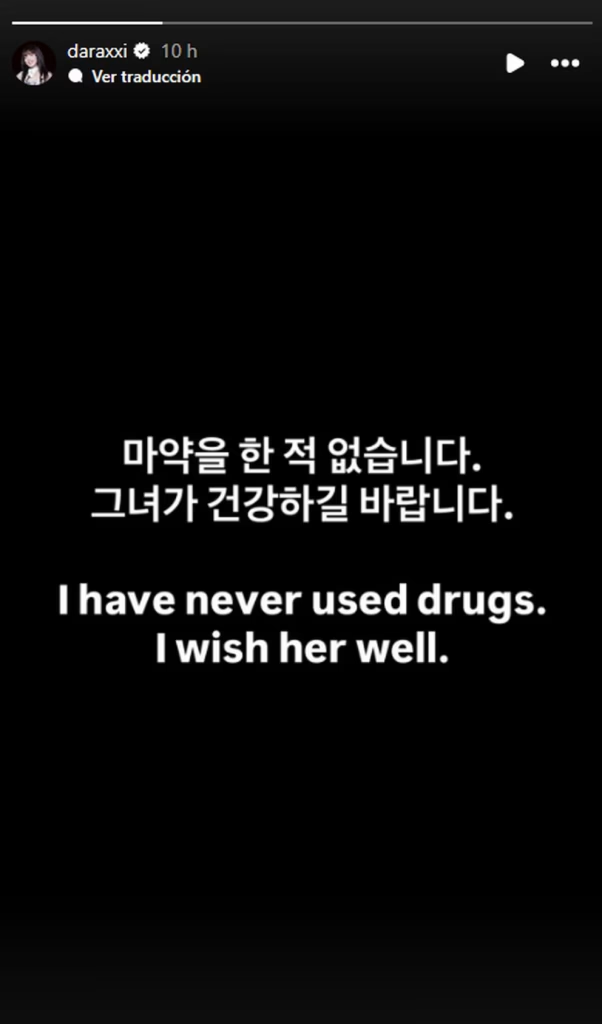
Sandara Park’s response, as reported, was brief and categorical, rejecting the allegation and denying drug use. That kind of statement is often the only viable first move in a controversy of this type, especially in South Korea’s entertainment environment, where ambiguity can quickly be interpreted as admission. Her response appears designed to close the accusation rather than extend the exchange, which is strategically understandable in a media ecosystem that rewards escalation. At the same time, brief denials rarely end the cycle on their own once a conflict has become emotionally charged among fans. The issue then shifts from factual rebuttal to narrative control, who gets believed, who is seen as unstable, and who is perceived as protecting group legacy.
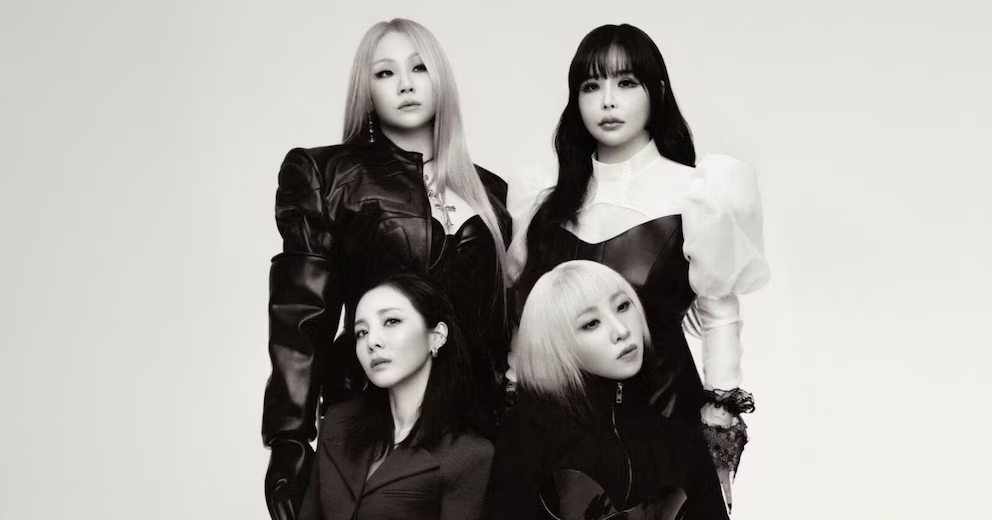
This is where the episode becomes structurally important beyond celebrity headlines. K-pop groups are not only musical acts. They are long-term brand systems built on public chemistry, fan trust, and tightly managed narratives of loyalty and unity. When a former member publicly accuses another member in a way that touches on criminal stigma, the damage risk extends beyond the individuals involved. It can affect catalog nostalgia, reunion expectations, brand partnerships, and the emotional contract between artists and fandoms. Even if no legal process follows and no further evidence emerges, the reputational turbulence can be significant because fandoms do not process conflict only through proof. They process it through history, identification, and prior grievance.
The social media dimension intensifies all of this. A handwritten note, a short denial, or a deleted post can now circulate globally within minutes, detached from context and amplified through translation accounts, fan edits, and commentary channels. That creates a high-velocity environment where emotional interpretation often outruns verification. In practice, this means the first version of the story becomes psychologically sticky, even when later clarifications appear. For veteran artists, this is especially dangerous because legacy reputations are often built over decades and can be destabilized by a single viral cycle. The platform logic rewards shock first and nuance later, but by the time nuance arrives, the reputational damage may already be embedded.
There is also a mental health and vulnerability layer that responsible coverage should not ignore. Public accusations between artists can reflect deeper interpersonal strain, unresolved trauma, or the cumulative burden of fame, scandal, and fan pressure. That does not mean all claims should be treated as equally credible without evidence, and it does not justify harmful allegations. It does mean the event should not be reduced to spectacle alone. The K-pop system has repeatedly shown how quickly artists can become trapped between personal crisis, public scrutiny, and industrial expectations of composure. Serious analysis has to leave room for that complexity while still naming the reputational stakes clearly.
For 2NE1’s legacy, the immediate question is not only who said what, but whether the conflict remains a brief flare-up or evolves into a longer rupture. Legacy groups live in a fragile space where nostalgia generates value, but unresolved grievances can destabilize that value instantly. If the controversy fades, it may still leave residue in how fans interpret the group’s history and internal dynamics. If it escalates, it could reshape public memory more deeply than any single statement suggests right now. Either way, the dispute has already demonstrated how vulnerable even legendary acts remain to narrative fracture in the social media era.
What changes on the wider board is the way celebrity conflict is understood in K-pop’s second-generation legacy phase. This is no longer only about current promotions or chart competition. It is about historical reputation, fandom archives, and who controls the story of the past. The dispute between Park Bom and Sandara Park is therefore not just a personal clash in public view. It is a reminder that in K-pop, memory itself is part of the battlefield.
Against propaganda, memory. / Against propaganda, memory.