

 Phoenix 24

What disappears first is often safety, pleasure, and mood.
London, March 2026
Living without a sense of smell is often misunderstood as an inconvenience, when in reality it can become a serious quality-of-life disorder with physical, emotional, and social consequences. Recent health coverage has revisited this condition by emphasizing how frequently smell loss goes unnoticed or is normalized until its effects become difficult to ignore. That framing is important because anosmia, the complete loss of smell, and hyposmia, a partial reduction, often emerge gradually or after common illnesses, making many people delay medical evaluation. The problem is not only the symptom itself. It is the tendency to underestimate what smell actually does in daily life.
Clinically, smell loss can result from a wide range of causes, and that is one reason early detection matters. Medical sources consistently describe common triggers such as colds, influenza, allergies, sinusitis, nasal polyps, and congestion, all of which can block odor molecules from reaching the olfactory receptors. Other causes are more complex and may involve head trauma, neurological disease, toxic exposure, certain medications, or post-infectious injury to the smell pathway. Some people are born with reduced or absent smell, while others develop it later in life as part of aging or disease. This variety means anosmia is not a diagnosis by itself, but a symptom that can point to very different underlying problems.
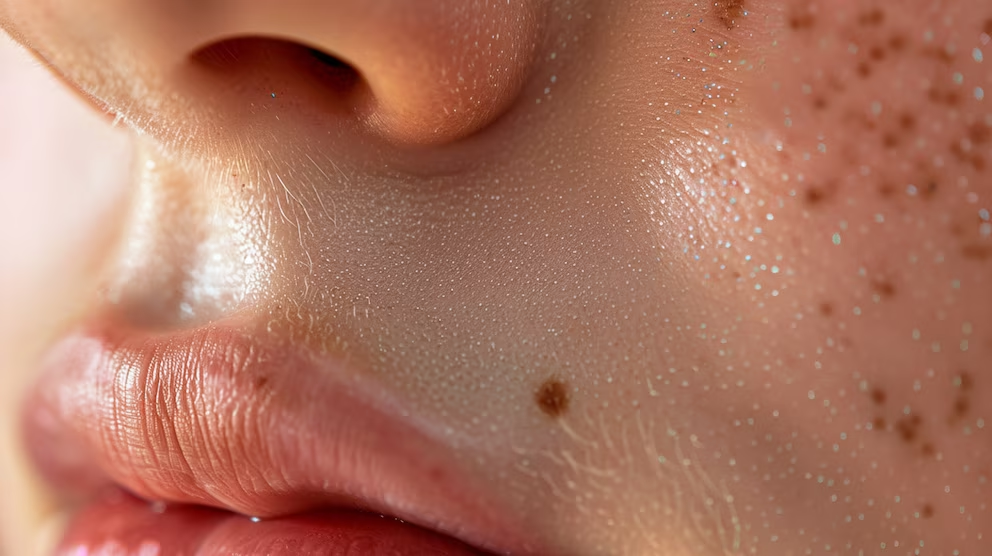
What makes the condition especially disruptive is that smell is deeply tied to taste, appetite, and hazard detection. People who lose smell often report that food becomes bland, repetitive, or emotionally flat, which can reduce interest in eating and affect nutrition over time. The impact is not only sensory. Smell also functions as an everyday warning system for smoke, gas leaks, spoiled food, and environmental danger. When that system weakens, risk management in ordinary life becomes harder. This is one reason clinicians increasingly treat smell disorders as functional health issues rather than cosmetic complaints.
The emotional burden is also larger than many people expect. Clinical reviews and specialist guidance repeatedly note that smell loss can be associated with isolation, distress, anxiety, and depressive symptoms, especially when the condition persists and disrupts eating, memory cues, and social experiences. Smell is strongly linked to identity and memory, so its absence can alter how people relate to home, relationships, and routines. That dimension is easy to miss because it does not always appear in standard medical conversations unless clinicians ask directly. In practice, patients may present with “just” a sensory complaint while carrying a broader decline in well-being.
Early detection begins with taking the symptom seriously, especially when the change is sudden, persistent, or progressive. A temporary reduction during a cold may resolve, but persistent or unexplained smell loss deserves evaluation, particularly if it follows a viral illness, head injury, or appears alongside nasal obstruction or neurological symptoms. The most useful first step is usually a medical consultation that can distinguish between conductive causes, where odors cannot reach receptors, and sensorineural causes, where the smell pathway itself may be affected. That distinction matters because treatment options and urgency differ depending on the mechanism. In other words, timing is not only about restoring smell. It is about identifying what the smell loss may be signaling.

Public awareness still lags behind the clinical importance of the issue. In many households, reduced smell is treated as a quirky annoyance or something to “wait out,” and that delay can prolong complications or postpone treatment for reversible causes. At the same time, the post-viral era has made more people aware that smell disorders are common and can persist beyond the original infection. This shift in awareness is useful, but it can also create confusion if people assume every smell disorder follows the same trajectory. Some cases improve spontaneously, some respond to treatment of the underlying cause, and others require longer follow-up and adaptation strategies.
There is also a broader health-system lesson here. Smell disorders sit at the intersection of ear, nose, and throat medicine, neurology, primary care, and mental health, which means patients can fall through the cracks if the symptom is treated too narrowly. A stronger approach recognizes anosmia as both a sensory disorder and a quality-of-life condition with nutritional, safety, and psychological implications. That does not mean every case is severe, but it does mean the symptom deserves structured attention rather than dismissal.
What changes on the wider board is the way smell loss is understood in public health and clinical culture. The most important message is not panic, but recognition. Living without smell can affect far more than flavor, and detecting the problem early increases the chances of identifying reversible causes, reducing risk, and protecting quality of life before the condition becomes a silent long-term burden.
Every silence speaks. / Every silence speaks.