

 Phoenix 24
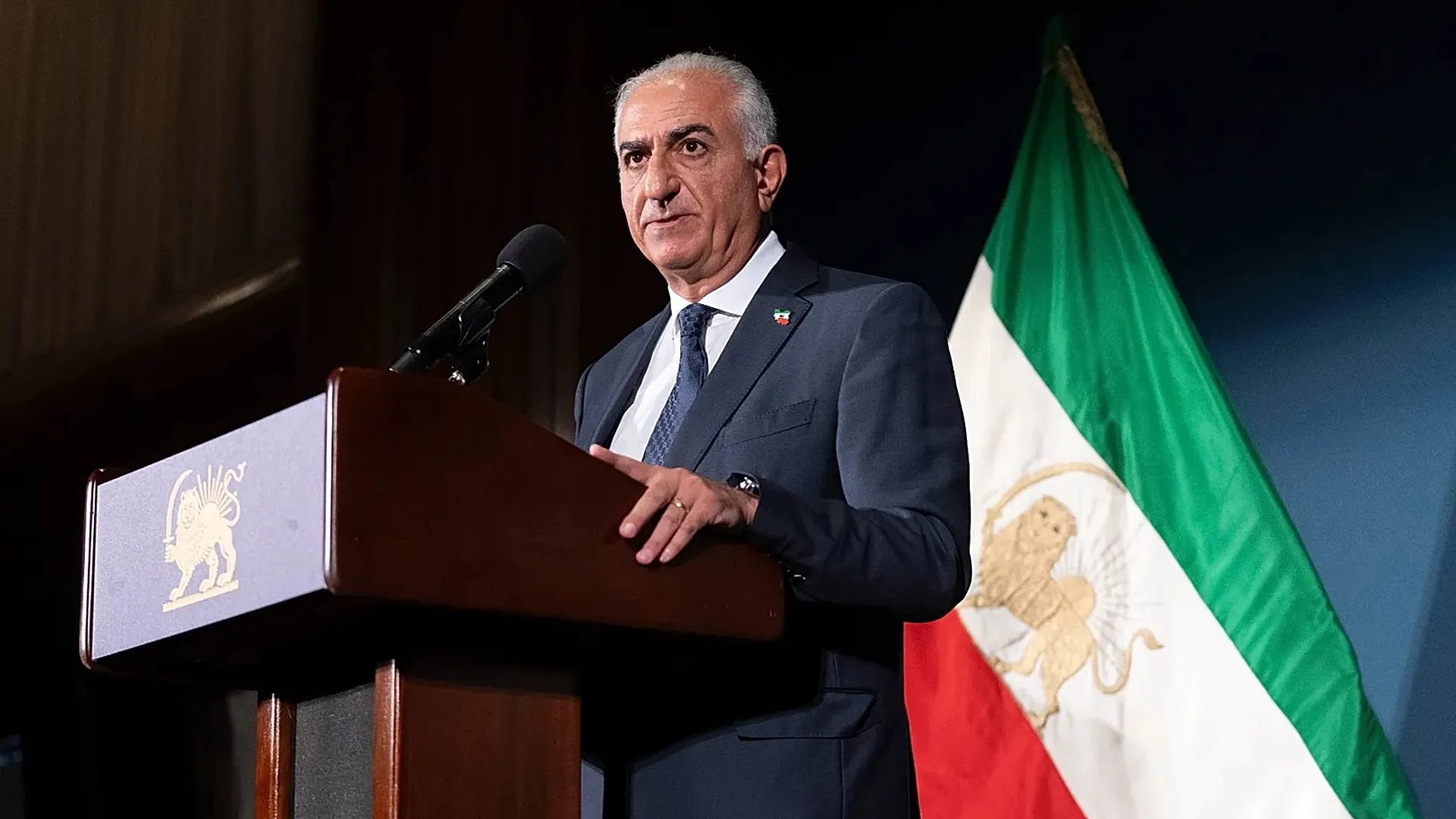
Invitations in Brussels are never only symbolic.
Brussels, March 2026
The European Parliament’s possible invitation to Reza Pahlavi is not just a protocol question about who speaks at a committee hearing. It is an early signal of how parts of Europe are beginning to frame the political future of Iran after a period of extreme regional escalation and institutional shock. Euronews reported that Pahlavi’s name appeared on a provisional list of opposition figures being considered for an exchange of views in the Parliament’s Foreign Affairs Committee, with final confirmation pending. Even at this stage, the significance is already political.
Why this matters is straightforward. In moments of regime uncertainty, institutions do not only react to events, they also begin selecting interlocutors. That selection process shapes legitimacy before any formal transition exists. A possible invitation to Pahlavi therefore functions as more than a speaking slot. It indicates that at least some actors in Brussels want to test, elevate, or publicly evaluate one of the best known exiled opposition figures as part of a broader conversation about post crisis scenarios in Iran.
The debate is especially sensitive because Pahlavi is not a neutral technocratic voice. He is the son of the last shah and a highly symbolic figure in the Iranian opposition diaspora, admired by some as a rallying node for transition and rejected by others who fear monarchic restoration or elite substitution without democratic depth. That duality is exactly why his presence in a European parliamentary setting would matter. It would not simply reflect support for one individual. It would expose the fault lines inside Europe’s own reading of Iranian opposition politics.
There is also a timing dimension that makes the move more consequential. The discussion emerges while European officials are publicly debating Iran’s political future in the aftermath of major regional violence and leadership disruption. In such a moment, an invitation can be interpreted in multiple ways at once: as democratic outreach, as strategic signaling to Tehran, as a test of opposition viability, or as a premature gesture that risks narrowing Europe’s public posture toward one current inside a fragmented anti regime landscape. In crisis diplomacy, ambiguity is often useful, but symbolic gestures can quickly harden into perceived alignment.
That is where the European Parliament’s internal politics become part of the story. Euronews noted support for Pahlavi from some lawmakers in the ECR group, which underscores that this is not just a foreign policy discussion but also a contest over ideological framing inside EU institutions. Different political families in the Parliament are likely to read the same invitation through very different lenses: democratic solidarity, anti regime activism, geopolitical deterrence, or institutional overreach. The result is that a hearing format becomes a proxy battlefield over Europe’s posture toward regime change discourse.
The move also highlights a recurring European dilemma in external crises. Brussels often seeks to support democratic aspirations without appearing to impose political outcomes, yet the line between platforming and endorsement can become thin when one figure carries such heavy historical symbolism. Inviting Pahlavi could be defended as pluralistic engagement if balanced with a broader opposition spectrum. It could also be criticized as narrowing the field if the optics suggest Europe is privileging a recognizable exile brand over more diffuse civic, labor, feminist, or inside Iran political currents whose legitimacy is harder to package in parliamentary formats.
From Tehran’s perspective, even a provisional invitation has strategic consequences. Regimes under pressure tend to treat external recognition of opposition voices as hostile signaling, regardless of the formal language used by European institutions. That means the parliamentary debate itself may already be producing effects in the information war, where symbolism, visibility, and sequencing matter as much as policy documents. In that environment, Brussels is not merely observing Iran’s future debate. It is becoming part of the stage on which that debate is being internationally framed.
For Phoenix24, the key pattern is not whether Pahlavi ultimately speaks in Strasbourg or Brussels. It is the institutional threshold this discussion reveals. Europe is moving from reactive commentary on Iran’s crisis toward selective political curation of who may be treated as a legitimate future voice. That shift carries strategic weight because once institutions begin choosing who gets the microphone, they are no longer only describing a transition. They are helping shape its narrative architecture.
The visible and the hidden, in context. / Lo visible y lo oculto, en contexto.