

 Phoenix 24
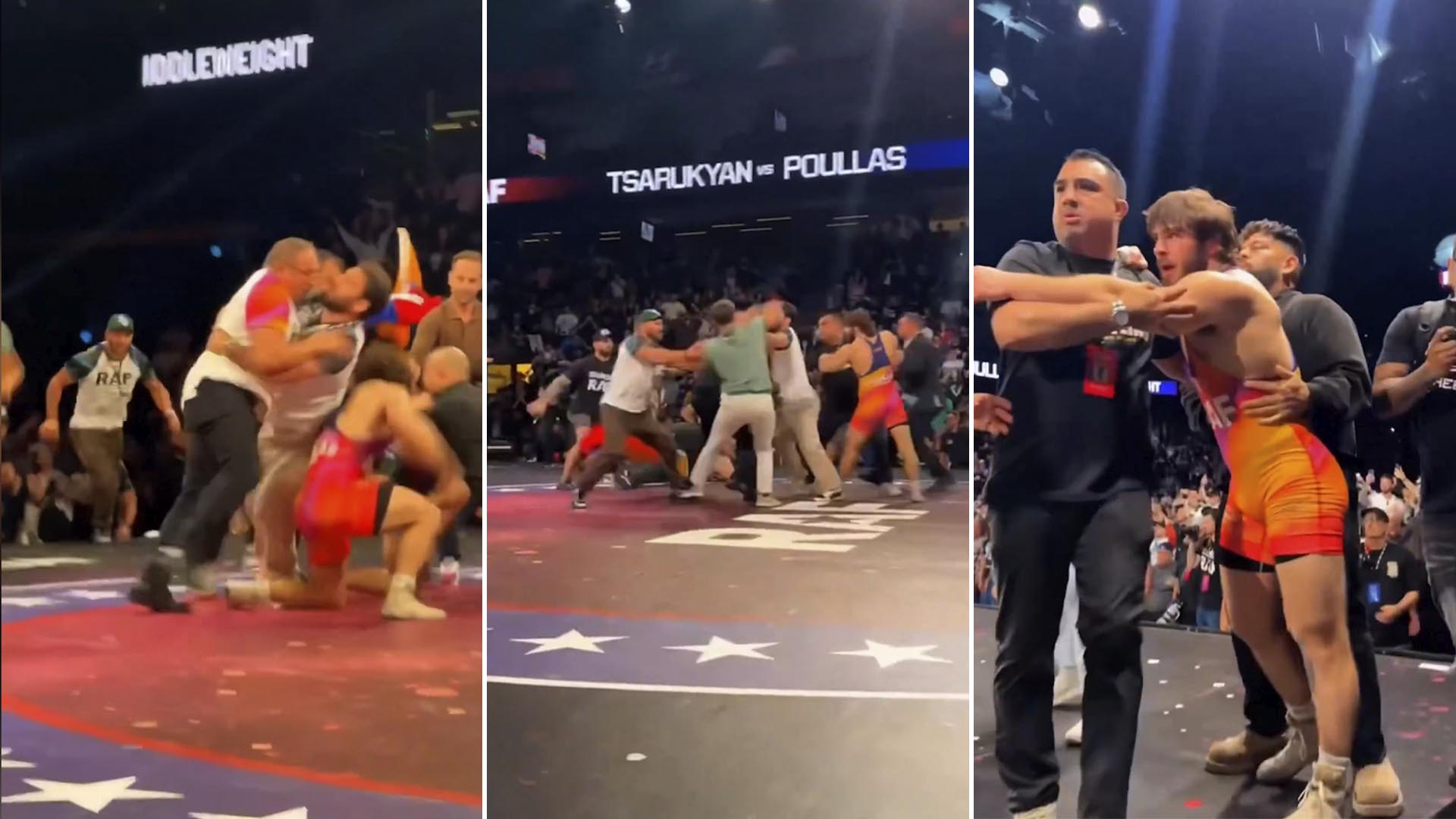
The finish was not the end.
Tempe, March 2026
What happened at Real American Freestyle 6 in Arizona was not just a controversial ending to a combat match. It was a rapid collapse of event control, where an antideportive gesture after the final sequence triggered a broader breakdown involving fighters, corners, staff and parts of the crowd. The incident, centered on Arman Tsarukyan and Giorgio Poullas, moved the spectacle from competitive tension to public disorder in seconds, and that transition is the real story because it exposes how fragile hybrid combat entertainment formats can become when provocation, ego and weak post-bout containment converge.
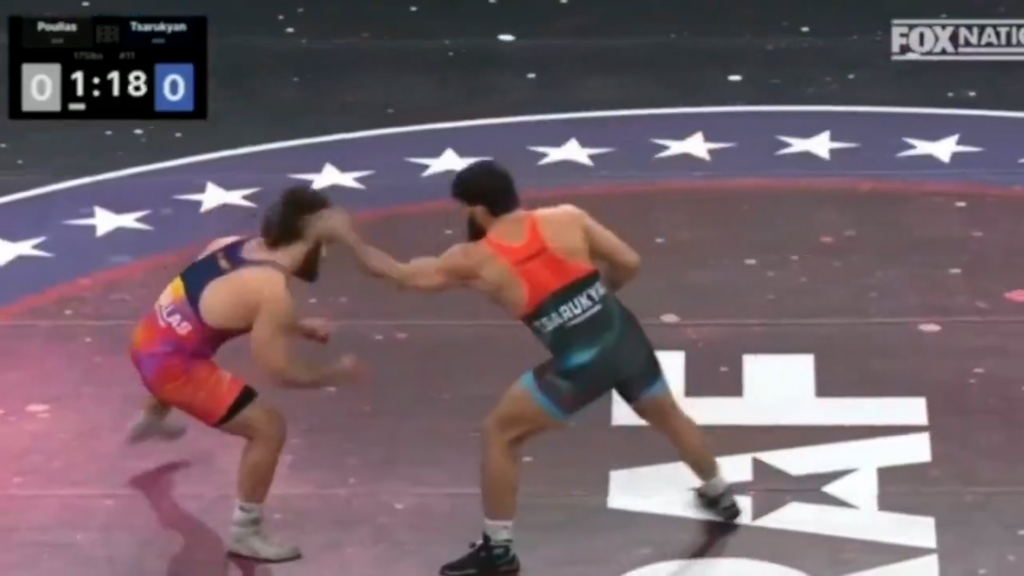
By the time the altercation exploded, the atmosphere was already overheated. Reports describe repeated provocations and slap exchanges during the match, along with referee interventions and point penalties for both athletes. Tsarukyan built an advantage and ultimately won on points, but the contest had already drifted toward a conflict script in which disciplinary signals were containing behavior only temporarily, not restoring control. In events built around crossover audiences and viral personalities, that distinction matters. Once participants begin performing hostility as part of the show, officials may still enforce rules, but they may no longer be controlling the emotional trajectory of the room.
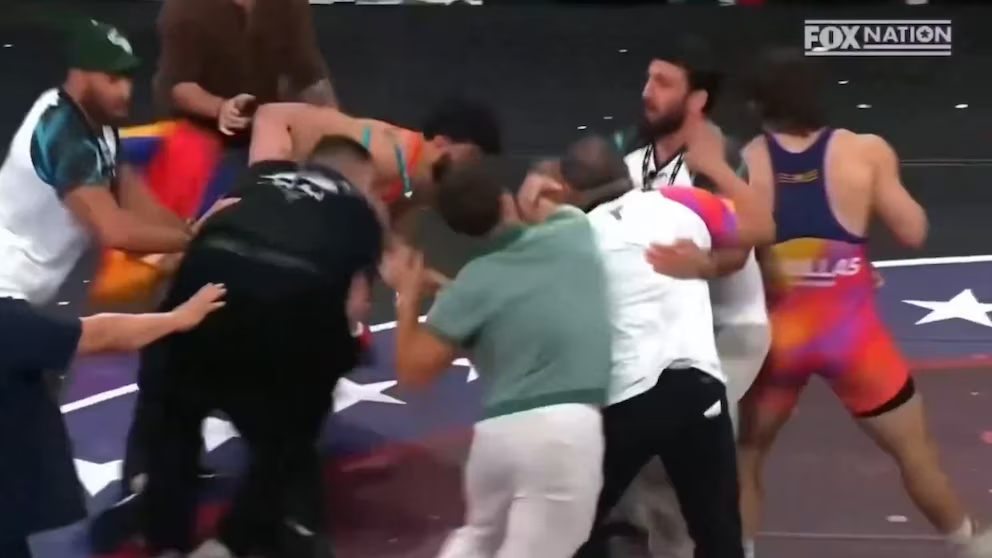
The decisive breach came after the action should have ended. According to the report, Tsarukyan attacked Poullas before the judges could fully formalize the result, striking him on the ground with actions outside the rules, including a punch and a knee. That sequence changed the status of the moment immediately. What had been a sanctioned contest became an unsanctioned assault in the public eye, and that shift activated a different kind of response from everyone nearby. Trainers, team members and event personnel rushed onto the mat, turning a contained combat space into a multi-actor confrontation where authority became diffused and enforcement delayed.
This is where combat sports events face a recurring structural problem. The same intensity that makes them commercially attractive can also compress the line between spectacle and volatility. Promoters often market rivalry, disrespect and confrontation to generate attention, especially when one participant has a strong social media profile and the other carries legitimacy from a major fighting organization. But the promotional logic that amplifies tension before the bout can weaken control after the bout if participants, corners and audiences interpret escalation as part of the expected script. In those environments, one illegal strike can function less as an isolated decision and more as a trigger inside a preloaded atmosphere.
The incident also reveals the importance of post-result choreography, a neglected part of event design that becomes critical in high-emotion formats. Once a match ends, there is a narrow window in which referees, security and production staff must separate athletes, secure corners and reset audience focus before retaliation psychology takes hold. If that choreography fails, even briefly, the event can pivot from regulated competition to crowd contagion. The report notes that the brawl spread across the mat and touched parts of the audience environment, which suggests that the failure was not only individual misconduct but a broader breakdown in the event’s containment architecture.
The public reaction was intensified by the speed of video circulation. Clips of the post-fight attack and the ensuing melee moved quickly through social media, pushing technical analysis of the match itself into the background. That pattern is increasingly common in modern sports culture, where the reputational outcome of an event is often determined less by official results than by the most viral visual sequence. In this case, the recorded images transformed what might have been remembered as a niche combat card into a reputational stress test for the promotion. A points victory remained on the books, but the event’s identity was redefined by the melee.
Statements attributed to both fighters after the incident added another layer rather than closing the episode. Tsarukyan reportedly posted a confrontational message, while Poullas shared video from an ambulance and framed the episode as an attack, also emphasizing the role of his family in defending him during the broader fight. Those responses matter because they extend the conflict beyond the mat and into narrative territory, where audience loyalty and online framing can harden positions before any formal disciplinary process begins. In practical terms, the event now has two parallel outcomes: a recorded sports result and an unresolved legitimacy dispute over conduct and responsibility.
The absence of immediate disciplinary announcements, as reported, further increases the pressure on organizers. In combat events, delayed sanctions are not always a sign of inaction, but they do create a vacuum in which speculation, fan tribalism and reputational damage expand. If promoters want to preserve credibility, they must show that rules apply not only during points exchanges but also in the seconds that follow the horn. Otherwise, they risk signaling that regulatory enforcement is central to branding but secondary to spectacle when a viral scandal boosts visibility.
For Phoenix24, the larger pattern is not simply sports misconduct. It is the collision between entertainment economics, weak containment protocols and the social media acceleration of conflict. The key lesson is that event integrity now depends as much on behavioral control and post-fight security design as on officiating inside the contest itself. Once the finish becomes the ignition point, the promotion is no longer managing a match. It is managing a disorder event in real time, with cameras already deciding how the world will remember it.
Phoenix24: claridad en la zona gris. / Phoenix24: clarity in the grey zone.